LSX Crate Engines: What You’re Really Buying and How to Choose One That Fits Your Build
If you’re planning a serious performance build, engine choice shapes everything that follows. An LSX crate engine sits in a very specific lane: stronger than many stock-based LS setups, more purpose-built than a casual swap motor, and often expensive enough that one wrong assumption can blow your budget. You need more than horsepower numbers. You need a clear view of block design, intended use, supporting parts, and the hidden costs that show up after the engine arrives.
What makes an LSX crate engine different from a standard LS package
A lot of people see “LS” and assume every variation works the same. It doesn’t. The LSX label usually points to a more heavy-duty architecture designed for higher cylinder pressure, bigger power goals, and harsher use cases than many factory LS platforms were built to handle.
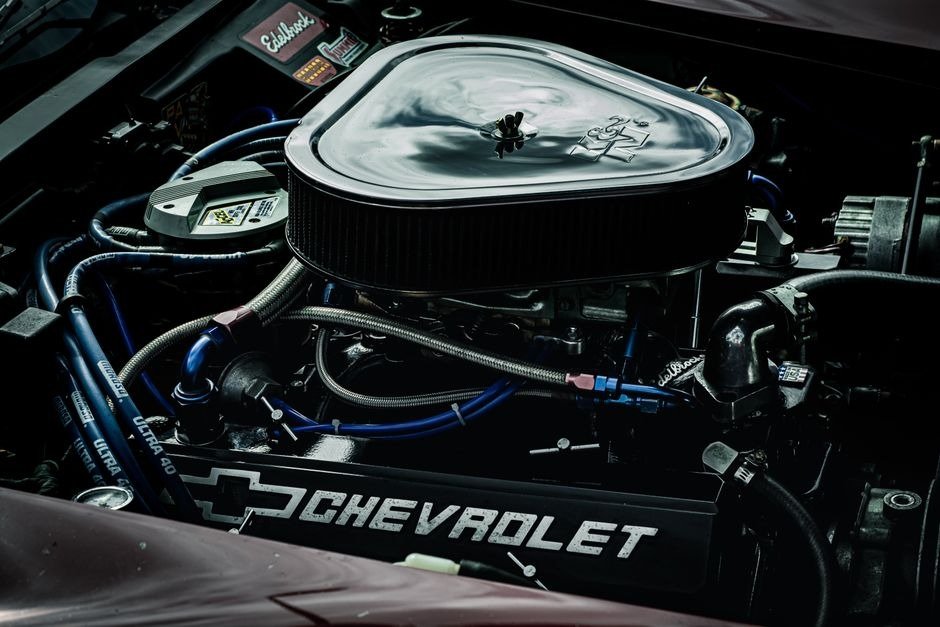
That matters if you’re aiming for boost, nitrous, drag passes, or repeated track abuse. A package like an LSX Crate Engine is often built around a reinforced block and upgraded internals that can tolerate more punishment than a mild junkyard 5.3 build. You’re not only paying for displacement or dyno numbers. You’re paying for headroom, durability, and a combination that’s meant to survive when the tune, traction, and RPM all get aggressive.
Your use case should decide the engine, not the bench-racing fantasy
This is where builds go sideways. You tell yourself you want 1,000 horsepower, then the car spends its life idling in traffic, creeping through weekend meets, and doing one highway pull every two months. That kind of mismatch leads to overheated street cars, touchy drivability, and money wasted on hardware you never use.
Start with the real mission profile. Is your car a pro-touring build, a drag project, a street-and-strip compromise, or a shop-built flex piece for content and events? Compression ratio, cam profile, oiling strategy, and intake setup should all follow that answer. If you want something streetable, ask about cold-start behavior, vacuum characteristics, and fuel compatibility. If you want all-out performance, ask how the combination behaves under sustained load and what RPM range the valvetrain is designed to live in.
The short block matters, but the total combination matters more
People love to obsess over forged pistons and steel cranks, and those parts do matter. Still, the smartest buyers look at the whole combo. Cylinder heads, ring package, bearing clearances, valvetrain geometry, and balancing work often determine whether an engine feels refined or fragile.
That’s especially relevant in 2026, when buyers have more access to big-power components but not always better assembly standards. Two engines can share similar advertised specs and perform very differently over time. One may have clean oil control, stable valvetrain behavior, and reliable coolant temps. The other may look good on paper but eat springs, rattle at idle, and need constant attention. Ask whether the package is dyno-tested, what tolerances were targeted, and what fuel and ignition assumptions were used during the build.
Supporting mods are where your budget usually gets ambushed
The engine itself is rarely the end of the spending. Once you move into LSX-level power, the rest of the car has to stop pretending it’s still stock. Transmission capacity, converter or clutch choice, rear-end strength, fuel system flow, ECU calibration, cooling efficiency, and exhaust sizing all become critical.
A common mistake is buying a serious crate engine and pairing it with a weak returnless fuel setup, a budget radiator, and headers that choke the combo. Then the owner blames the engine for running hot or feeling flat. You should cost out the full ecosystem before ordering anything. Include injectors, pump capacity, engine management, accessory drive compatibility, oil pan fitment, and wiring integration. On many builds, the installation and support hardware can rival the engine invoice faster than most people expect.
Block strength is important, but tuning still decides engine life
A reinforced block can’t save a bad calibration. Detonation, lean conditions, poor spark control, and lazy fuel delivery kill expensive engines every year. That’s true even when the rotating assembly is excellent and the machining is first-rate.
If you’re building around boost or spray, the tune needs to be treated as a core component, not a final errand. You should know who is handling startup, break-in strategy, and power pulls before the engine ever ships. Ask what sensors are recommended, whether the combination expects premium pump gas, E85, or race fuel, and how much timing margin exists under load. Real reliability comes from a matched package: mechanical build quality, proper fuel volume, stable oil pressure, and calibration that respects the limits of the setup instead of chasing one glamorous dyno graph.
Street swaps, classic muscle, and restomods all bring packaging problems
LSX builds look straightforward on social media because the messy part gets edited out. In real garages, fitment is where schedules collapse. Oil pan depth, crossmember clearance, hood clearance, accessory spacing, header routing, steering shaft conflicts, and transmission tunnel space can all become a problem.
If you’re swapping into a classic Chevelle, C10, Camaro, or a less common chassis, don’t assume an LS-based engine will drop in cleanly just because adapter parts exist. A tall intake, front-drive arrangement, or particular cylinder head setup can create new clearance issues. The smartest move is to plan the engine with the chassis, not after it. Talk through mounts, pan options, belt routing, and cooling layout early. The best engine on paper can still become the wrong choice if it turns your swap into months of fabrication detours.
Reliability comes from restraint as much as from premium parts
There’s a pattern in successful high-performance builds: they leave margin. Oiling is a little better than necessary. Cooling is oversized. The valvetrain is not living on the edge. The fuel system has reserve capacity. The owner resists the temptation to chase every last number.
That approach feels less exciting when you’re ordering parts, but it pays off later. A crate engine that makes slightly less peak power with cleaner behavior and lower stress can be far more satisfying to own. You get easier starts, fewer teardown surprises, and more confidence when ambient temperatures climb or track sessions get longer. If your goal is a car you can actually use, not just post, prioritize repeatability. Fast once is easy. Fast all season with low drama is what separates a polished build from an expensive lesson.