Automatic vs Manual Cars: Pros, Cons and Which One to Choose
Choosing between an automatic and a manual car is one of the first big decisions you make when buying a vehicle. Both can get you from A to B, but they feel very different to drive, cost different amounts to buy and maintain, and suit different kinds of drivers. In this guide we break down automatic vs manual cars in plain language so you can pick the one that fits your budget, your roads and your driving style.
What Is the Difference Between an Automatic and a Manual Car?
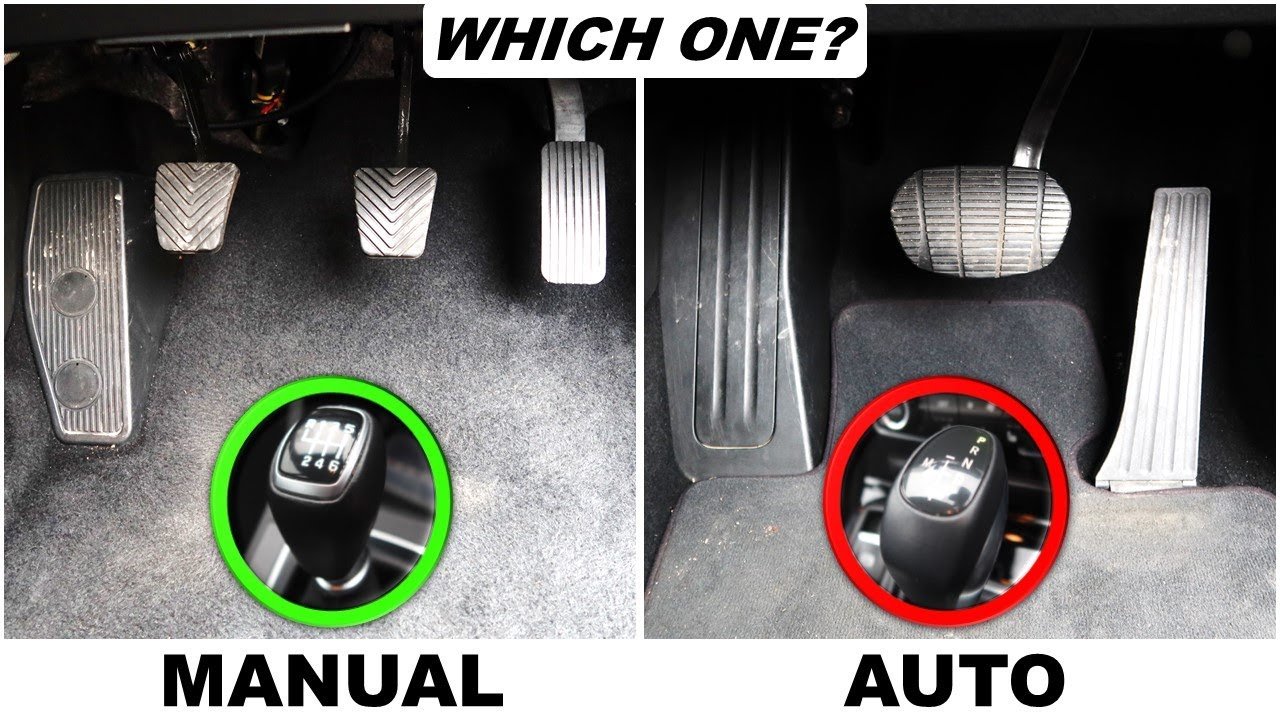
The main difference is who changes the gears. In a manual car (also called a stick shift or standard), you change gears yourself using a clutch pedal and a gear lever. In an automatic car, the gearbox changes gears for you, so there are only two pedals: the accelerator and the brake.
How a manual transmission works
A manual car has three pedals. To change gear, you press the clutch with your left foot, move the gear stick to the next gear, then slowly release the clutch while pressing the accelerator. Most modern manuals have five or six forward gears plus reverse.
How an automatic transmission works
An automatic car uses a gearbox that selects the right gear based on your speed and how hard you press the accelerator. You simply put the selector in D (Drive) and go. Common types of automatic gearbox include:
- Torque converter automatic: the traditional, smooth and reliable type found in many cars and SUVs.
- CVT (Continuously Variable Transmission): has no fixed gears and gives very smooth acceleration, common in small and hybrid cars.
- Dual-clutch (DCT/DSG): changes gear very quickly and feels sporty, often used in performance and European cars.
- AMT (Automated Manual): a manual gearbox with a computer doing the clutch work. It is cheap but can feel jerky.
Automatic vs Manual Cars: Quick Comparison
| Factor | Automatic | Manual |
|---|---|---|
| Ease of driving | Very easy, especially in traffic | Takes practice to master the clutch |
| Purchase price | Usually higher | Usually lower |
| Fuel economy | Modern automatics are often equal or better | Can be efficient with a skilled driver |
| Maintenance and repairs | Repairs can be more expensive | Cheaper to repair, but the clutch wears out |
| Driving control | Less direct control | Full control over gears |
| City traffic | Much more comfortable | Tiring in stop-and-go traffic |
| Learning to drive | Faster to learn | Takes longer, but you can drive both types |
Advantages of Automatic Cars
- Easy to drive: no clutch and no gear changes, so you can focus on the road.
- Great in traffic: stop-and-go city driving is far less tiring.
- Smooth ride: modern gearboxes shift smoothly and quietly.
- No stalling: you will not stall on hills or at traffic lights.
- Good fuel economy: many modern automatics and CVTs are tuned to be very efficient.
- Future-ready: hybrid and electric cars are almost all automatic.
Disadvantages of Automatic Cars
- Higher price when buying new.
- Repairs to the gearbox can be expensive.
- Less engaging for people who enjoy driving.
- Cheaper automatics (like some AMTs) can feel slow or jerky.
Advantages of Manual Cars
- Lower purchase price: manual versions of the same model usually cost less.
- More control: you choose the gear, which helps on hills, in snow and when overtaking.
- Fun to drive: many enthusiasts prefer the connection a manual gives.
- Simpler and cheaper to repair: fewer complex parts than most automatics.
- Drive anything: if you can drive a manual, you can also drive an automatic.
Disadvantages of Manual Cars
- Harder to learn, especially clutch control on hills.
- Tiring in heavy traffic.
- The clutch is a wear item and will need replacing eventually.
- Fewer new models are offered with a manual gearbox every year.
Which Is Better for Fuel Economy?
In the past, manual cars were usually more fuel efficient. Today that gap has mostly closed. Modern automatics, CVTs and dual-clutch gearboxes often match or beat manuals because they are programmed to keep the engine in its most efficient range. How you drive still matters most: smooth acceleration, steady speeds and good tyre pressure save more fuel than the gearbox type.
Which Is Cheaper to Maintain?
Manual cars are generally cheaper to maintain over the long run because the gearbox is simpler. The main extra cost is replacing the clutch, which depends heavily on how you drive. Automatic gearboxes need their fluid changed at the intervals in your owner’s manual, and a major automatic repair can cost a lot more than a clutch. Regular servicing is the best way to keep either type healthy.
Which One Should You Choose?
Choose an automatic if:
- You drive mostly in the city or in heavy traffic.
- You are a new driver and want an easier start.
- Comfort matters more to you than driving feel.
- You are thinking about a hybrid or electric car in the future.
Choose a manual if:
- You want the lowest purchase price.
- You enjoy driving and want full control.
- You often drive on open roads, hills or in rough conditions.
- You want a car that is simpler and cheaper to fix.
Frequently Asked Questions
Is an automatic car easier to drive than a manual?
Yes. With no clutch and no gear changes, an automatic is easier to learn and more relaxing in traffic.
Do manual cars last longer?
Not always. A well-maintained automatic can last just as long as a manual. How the car is driven and serviced matters more than the gearbox type.
Are manual cars disappearing?
Manual options are becoming less common in new cars, especially as more hybrids and electric vehicles arrive, but they are still widely available in the used-car market and in many budget and sports models.
Does an automatic car have better resale value?
In many markets automatics are now in higher demand, which can help resale value. However, demand varies by country and by model, so check local listings for the car you are considering.
Final Verdict
There is no single winner in the automatic vs manual debate. An automatic is the better choice for comfort, city driving and ease of use, while a manual is great for lower costs, more control and a more engaging drive. Think about where you drive most, your budget and what you enjoy, then take both types for a test drive before you decide.