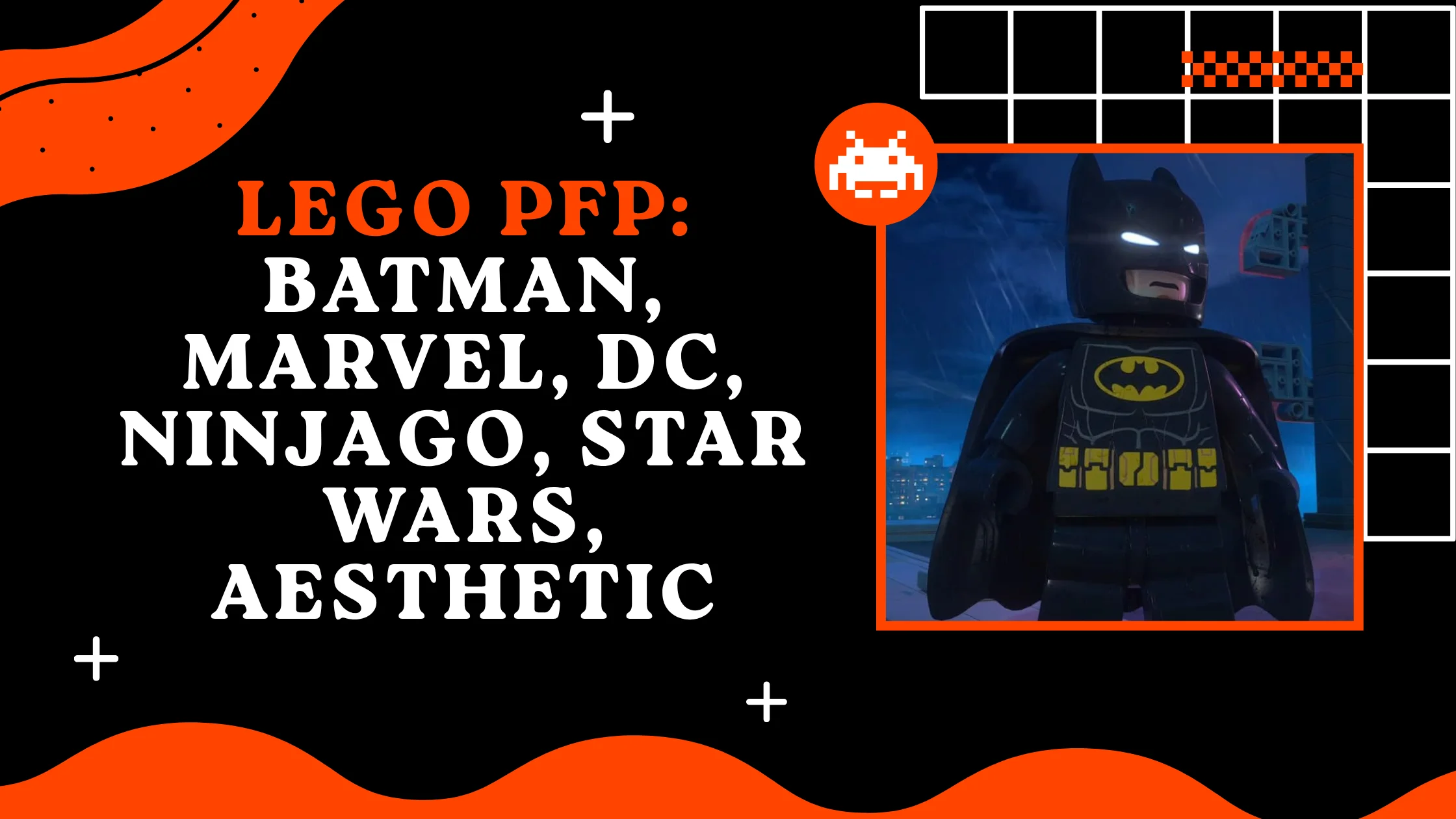
LEGO PFP: Batman, Marvel, DC, Ninjago, Star wars, Aesthetic
A profile picture is often the first piece of identity anyone reads about you online, and a LEGO PFP does something most avatar styles can’t: it borrows a face that’s been recognizable since 1978. That’s the year LEGO designer Jens Nygaard Knudsen finalized the modern minifigure four bricks tall, posable arms, a dot-eyed smile, and a uniform yellow head chosen specifically so no player was locked into one race or gender. Decades later, that same design logic is exactly why a LEGO PFP reads as instantly friendly and instantly you at the same time.
What makes LEGO specifically work as a PFP base, more than say a generic cartoon avatar, is that the brick system was built for swapping parts. A minifigure’s hair, expression, torso print, and accessories were always meant to be mixed and matched, which is precisely the logic Discord roles, TikTok duets, and Pinterest boards run on today. You’re not picking one fixed image you’re picking a build, and that’s a different kind of personalization than most PFP categories offer.
That flexibility is also why the category splits so cleanly into distinct communities rather than one blurry “LEGO fan” audience. Someone chasing a Ninjago look wants color-coded recognizability; someone chasing an aesthetic pastel build wants mood over identity; someone matching a friend’s PFP wants coordination, not a copy. This guide treats each of those as genuinely separate, with its own visual rules, rather than repeating the same three adjectives with a new heading on top.
Aesthetic LEGO PFP
The aesthetic lane in LEGO PFPs leans on soft plastic sheen rather than the loud, saturated colors most people associate with the brand. Think pastel baseplate backgrounds, warm afternoon lighting hitting the glossy minifigure head, and a shallow depth of field that blurs a brick wall into a wash of color instead of individual studs. It photographs like a still life more than a toy photo.

Color palette matters more here than in most LEGO categories, since the brand’s signature reds and yellows can read as loud rather than aesthetic. The strongest versions mute the primary palette down a single pastel-brick backdrop, one muted torso color, natural window light instead of a flash so the minifigure’s face stays the visual anchor instead of getting lost in a busy set.
This is also the one LEGO PFP style where background choice does more work than the figure itself. A minifigure standing on a stack of tan or sand-green bricks, slightly off-center, tends to outperform a straight-on shot against a white background, because it borrows the “flat lay” composition trend that already performs well on Pinterest and Instagram.
Cool LEGO PFP
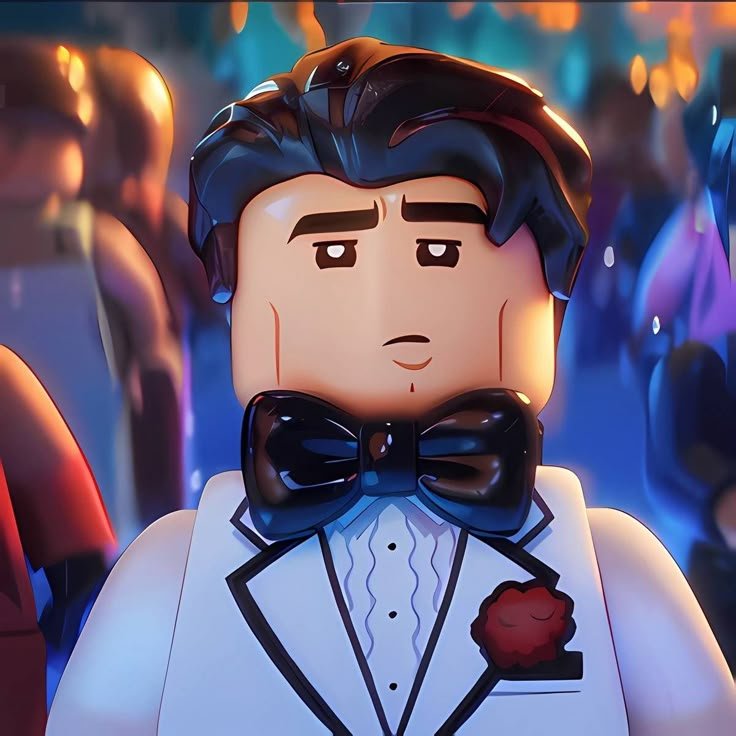
“Cool” in LEGO PFP terms almost always means motion and attitude rather than a specific franchise. A minifigure mid-jump, cape or hood flaring, shot at a low angle so it looms slightly larger than life that’s the formula that shows up again and again in the community’s top-performing icons.
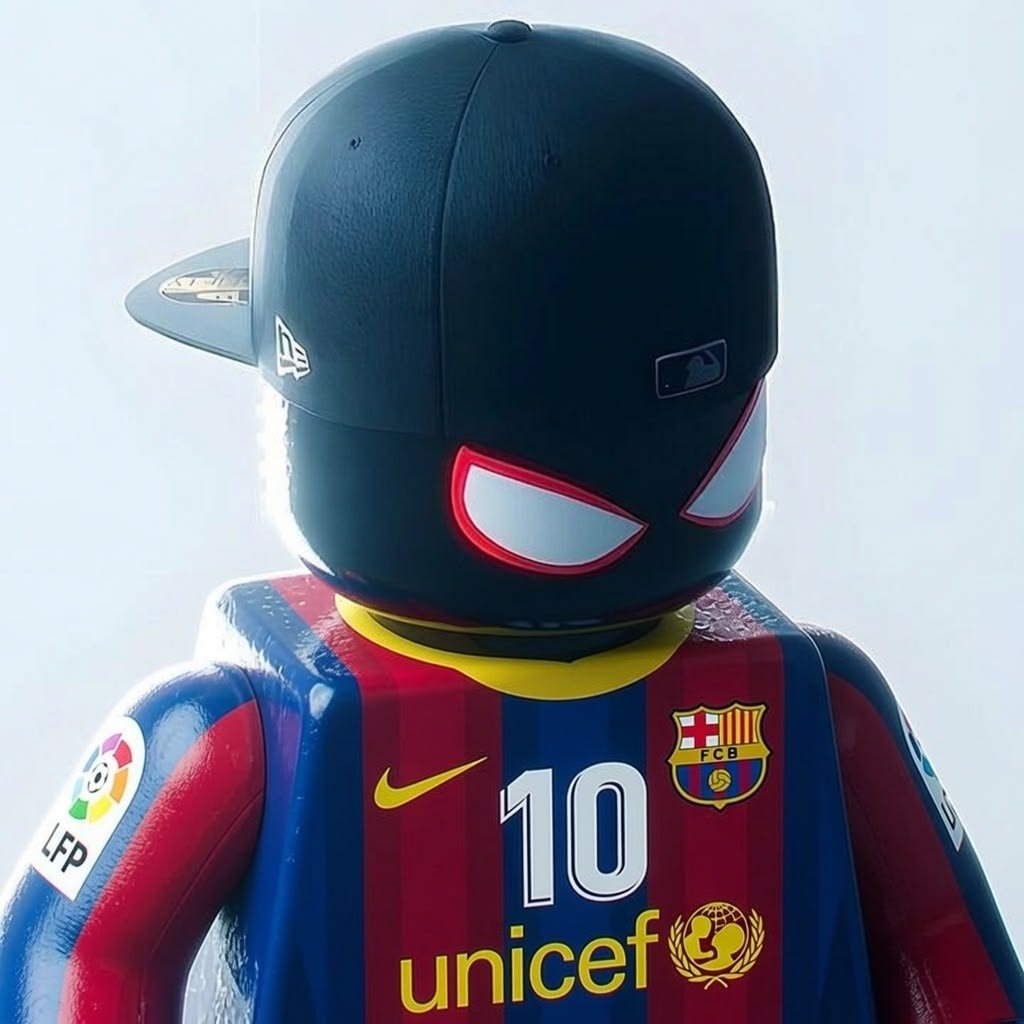
Lighting is where cool LEGO PFPs separate themselves from cute ones: hard rim lighting, deep shadows across the printed torso detail, sometimes a single colored gel light (blue or red) instead of flat studio light. It’s the same lighting vocabulary action-figure photographers use, just scaled down to 4cm.
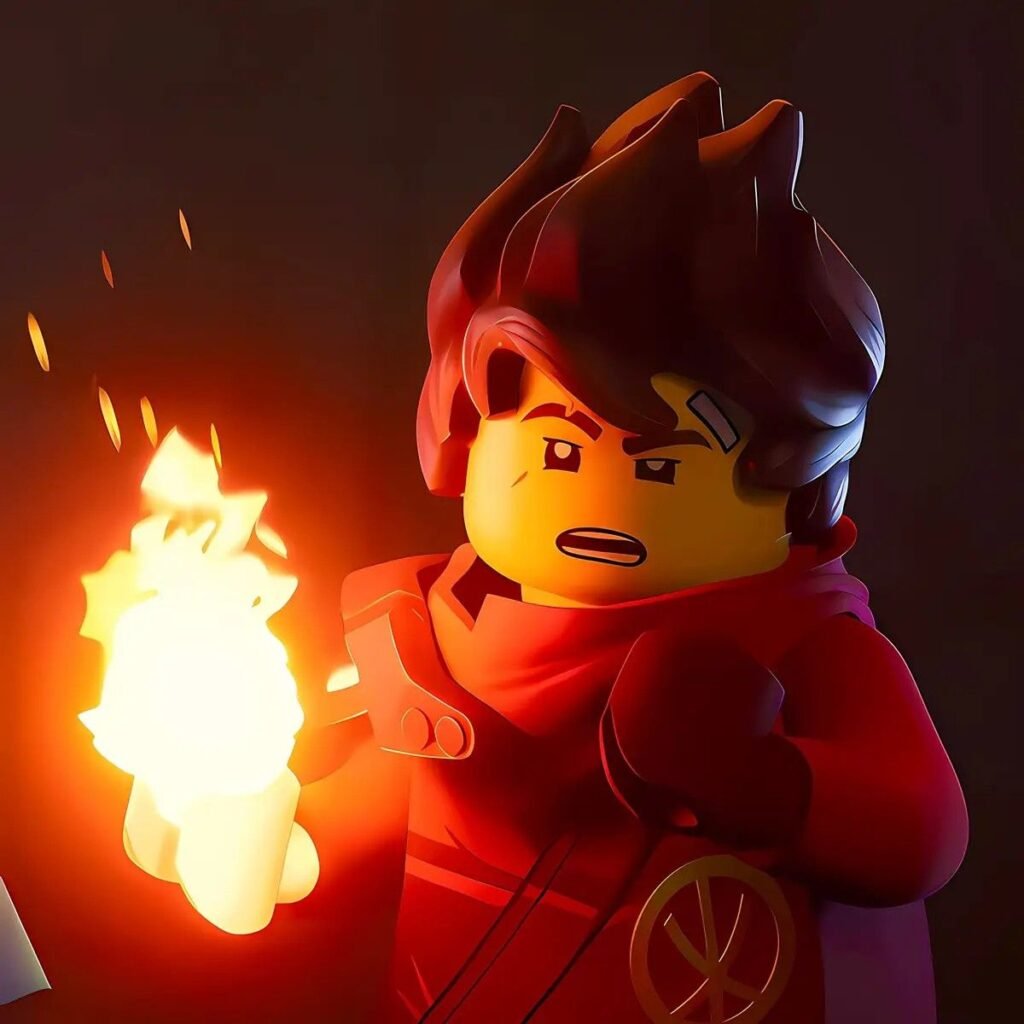
Accessory choice does a lot of the heavy lifting too a minifigure holding a weapon, a skateboard, or a printed jacket piece reads as cool almost automatically, where the same figure bare-handed reads as neutral. If you’re building or sourcing a cool LEGO PFP, the accessory in-hand is often more important than the face print.
Cute LEGO PFP
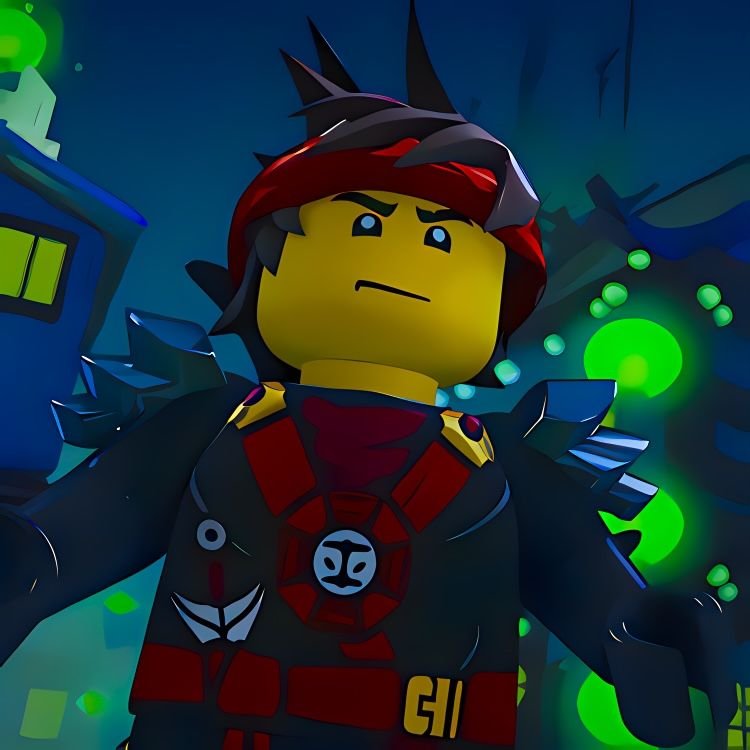
Cute LEGO PFPs invert almost every choice the cool category makes: soft front-facing light with no hard shadows, a close crop on the head and shoulders so the smiling face fills most of the frame, and pastel or pale-colored torso pieces instead of primary brand colors.
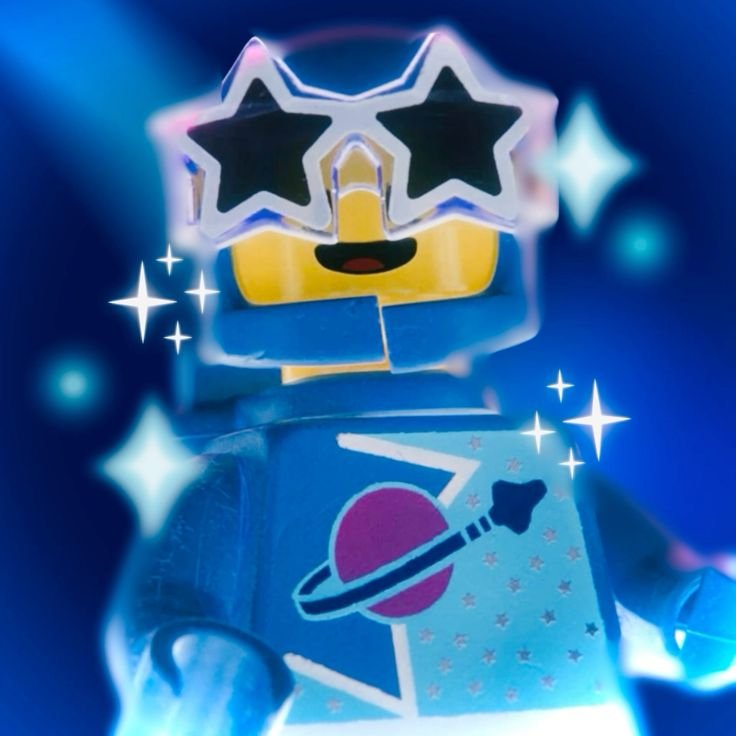
Expression is doing more work here than in any other LEGO PFP category, because minifigure faces are limited to a handful of printed options a wide smile, blushing cheeks, or the “surprised” open-mouth print tend to outperform the neutral default face by a wide margin in cute-themed builds.
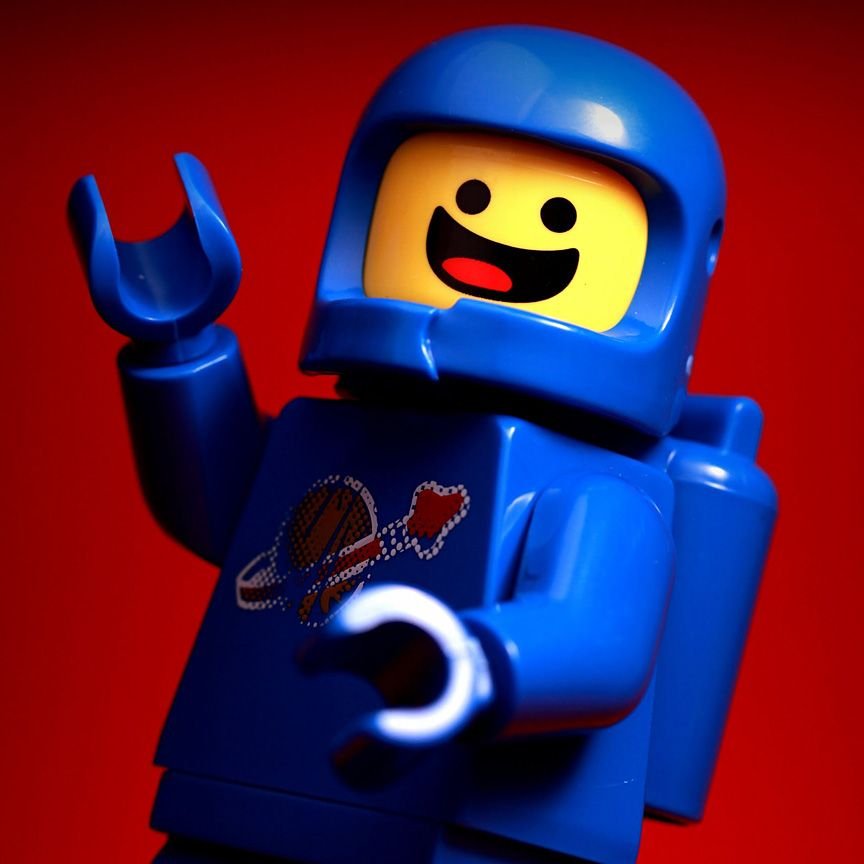
Background choice for cute LEGO PFPs tends toward clutter rather than minimalism, which is the opposite of the aesthetic category: a minifigure surrounded by tiny brick-built flowers, food pieces, or animal figures reads warmer than the same character alone against a plain backdrop, because it borrows the “diorama” scale LEGO is built around.
LEGO Star Wars PFP
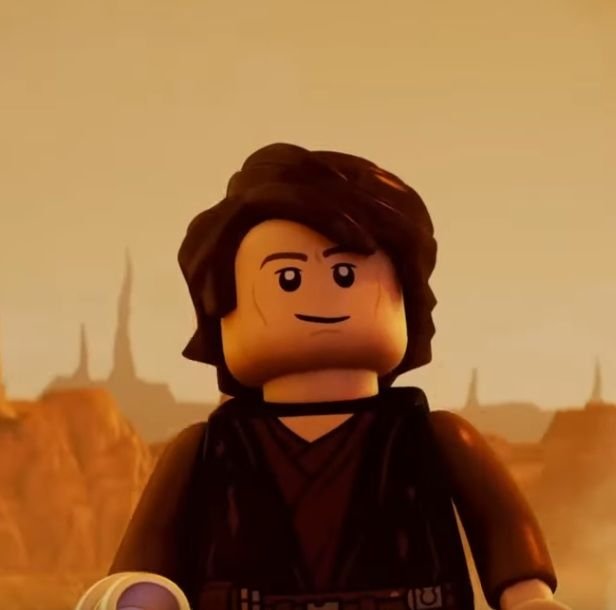
LEGO Star Wars carries more standalone PFP demand than any other LEGO sub-theme, and it’s not close the line has been running since 1999, when LEGO Star Wars sets were the first licensed theme to break from the brand’s traditional yellow, race-neutral minifigure face and introduce accurate skin tones for named characters. That single design shift is why a LEGO Star Wars PFP instantly reads as “this specific character” rather than “a generic minifigure,” which is exactly the recognizability a profile picture needs.
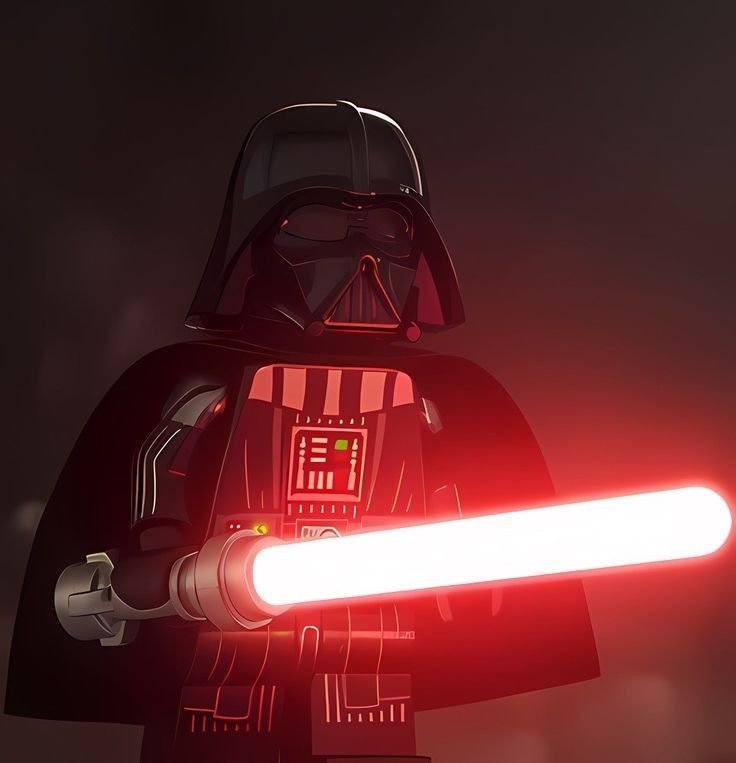
Helmet and hood pieces do most of the identification work in this category a Stormtrooper’s molded helmet, Darth Vader’s full-face piece, or a Mandalorian’s visor are all silhouette-recognizable even at the tiny scale a PFP gets cropped to, which is worth prioritizing over a full-body shot.
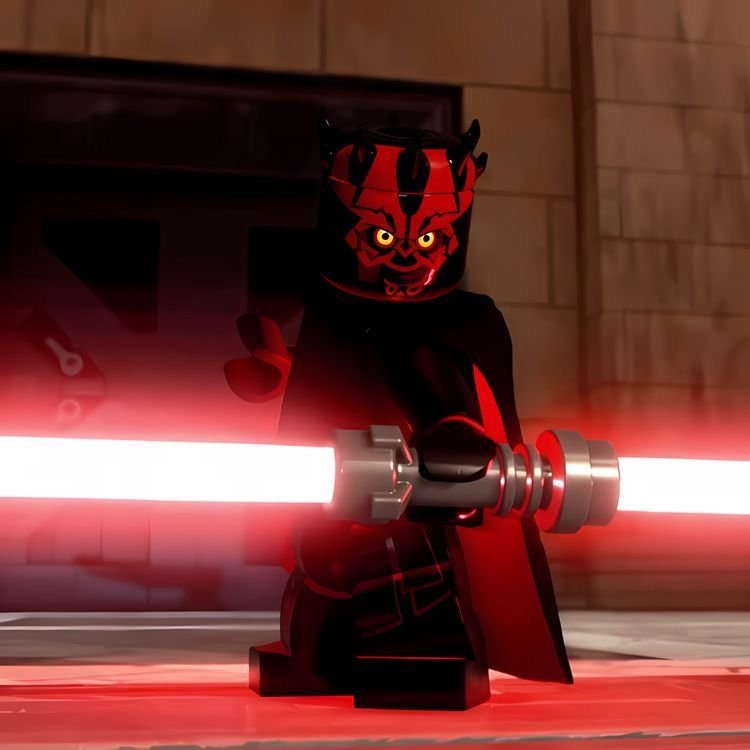
There’s also a real, documented trend on TikTok of fans pausing official LEGO Star Wars promotional clips and screenshotting a specific frame to use as a profile picture rather than sourcing a posed photo worth knowing if you want a PFP that looks pulled from motion rather than staged.
LEGO Ninjago PFP
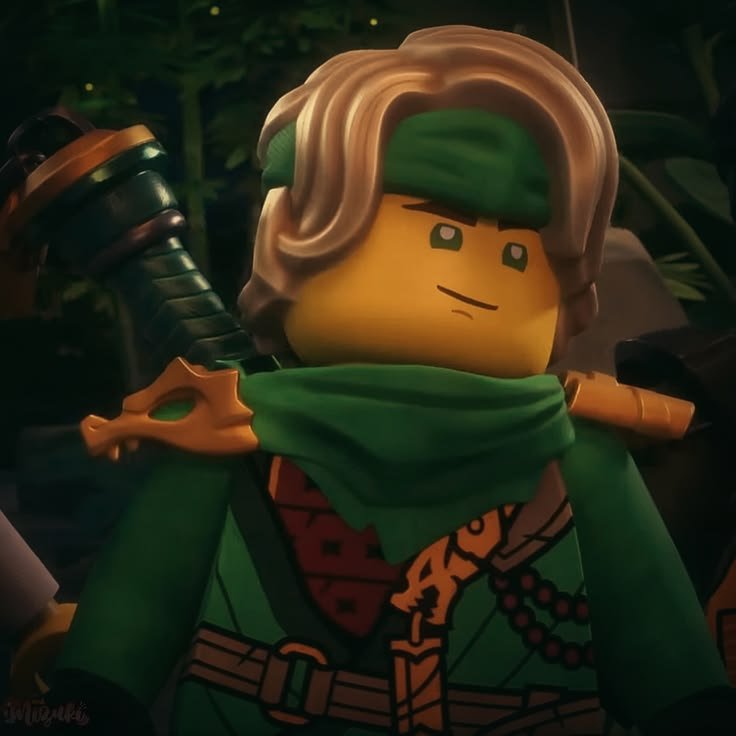
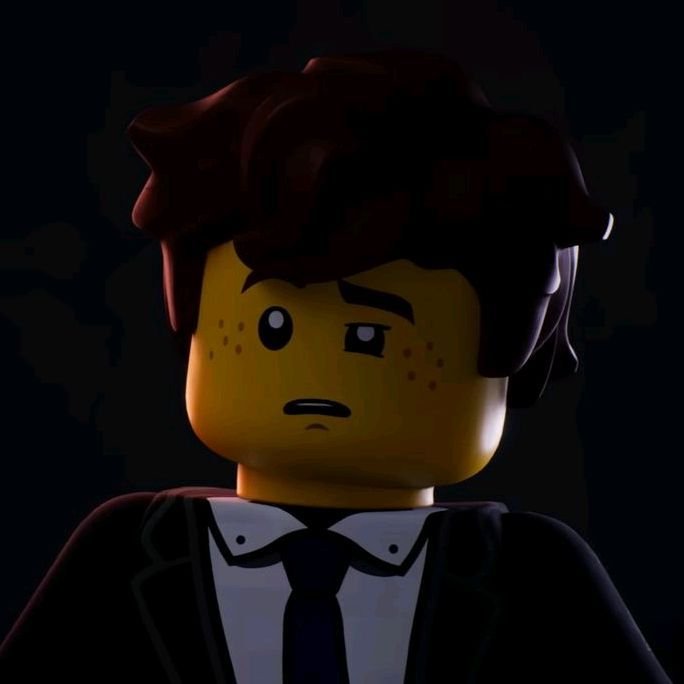
Ninjago is the most underrated pick in the entire LEGO PFP category, and it’s worth calling out directly: every other major sub-theme here (Star Wars, Marvel, DC) borrows its recognizability from an outside franchise, while Ninjago’s character design was built by LEGO from scratch specifically for elemental ninja identities. That means the color-coding is doing pure PFP work blue for Jay, red for Kai, black for Cole with none of it diluted by a movie poster or comic cover fans already associate the character with.
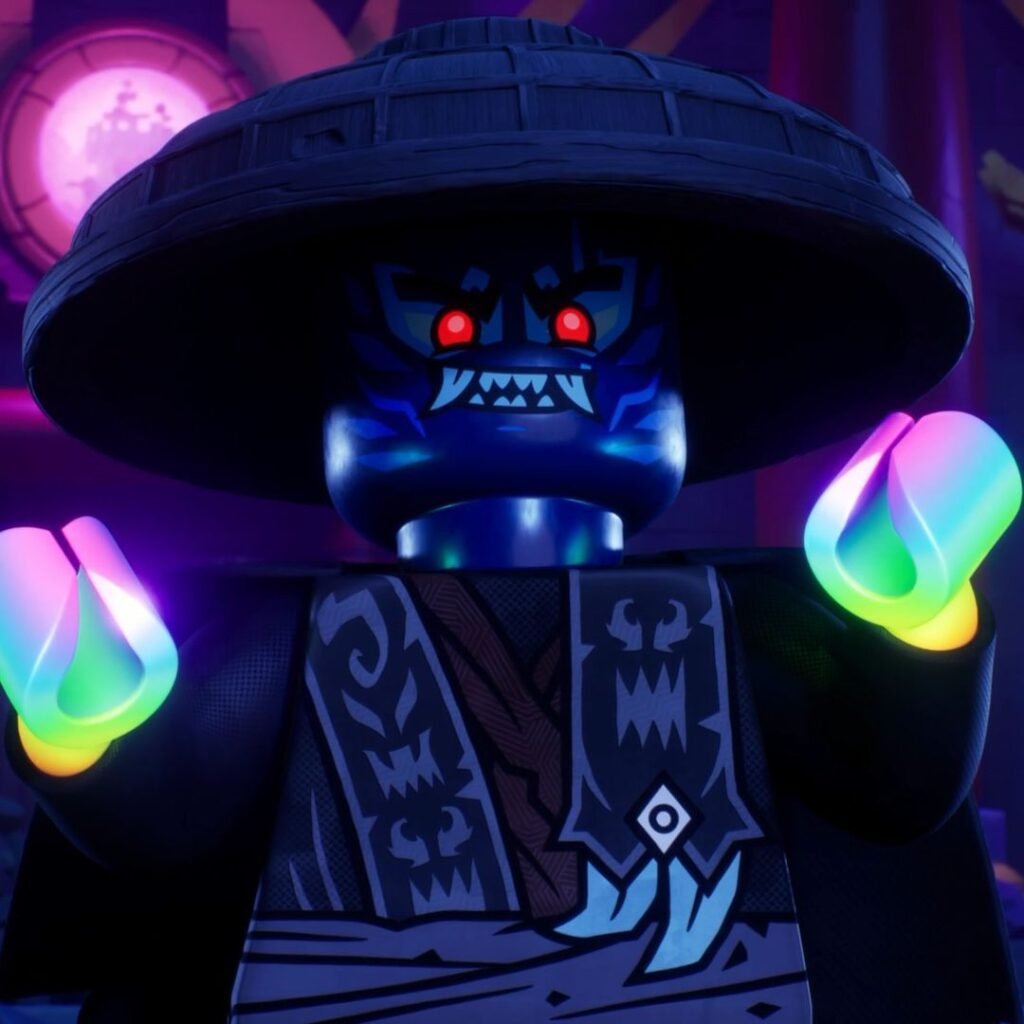
That color-first design is exactly why Ninjago PFPs crop so well: a minifigure’s gi color alone identifies the character even with the head cropped out of frame entirely, which is rare in licensed LEGO themes where the face print usually has to carry the recognition.
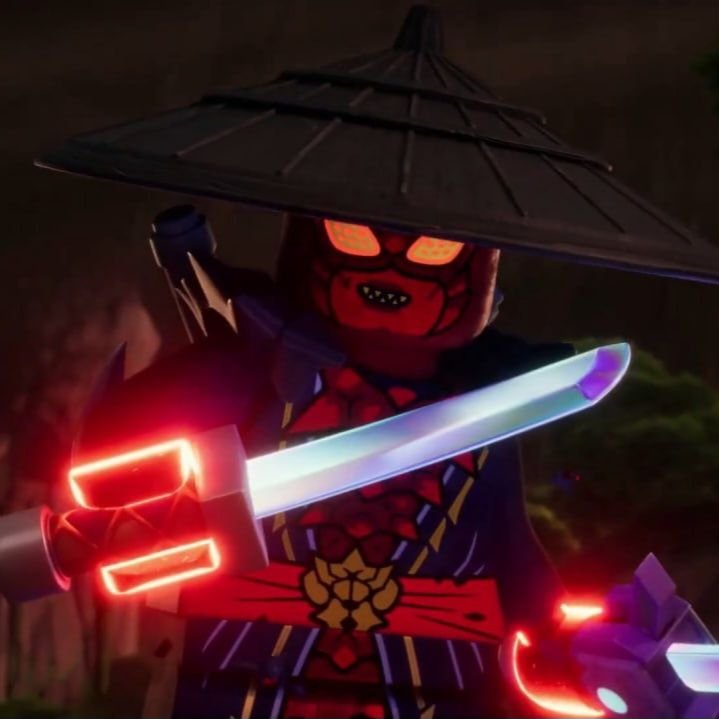
The hood-and-mask silhouette is the other advantage Ninjago’s masked ninja heads read as a clean, almost logo-like shape at small sizes, which is why they hold up better as a tiny circular Discord or app icon than more detailed licensed minifigure heads tend to.
LEGO Marvel PFP
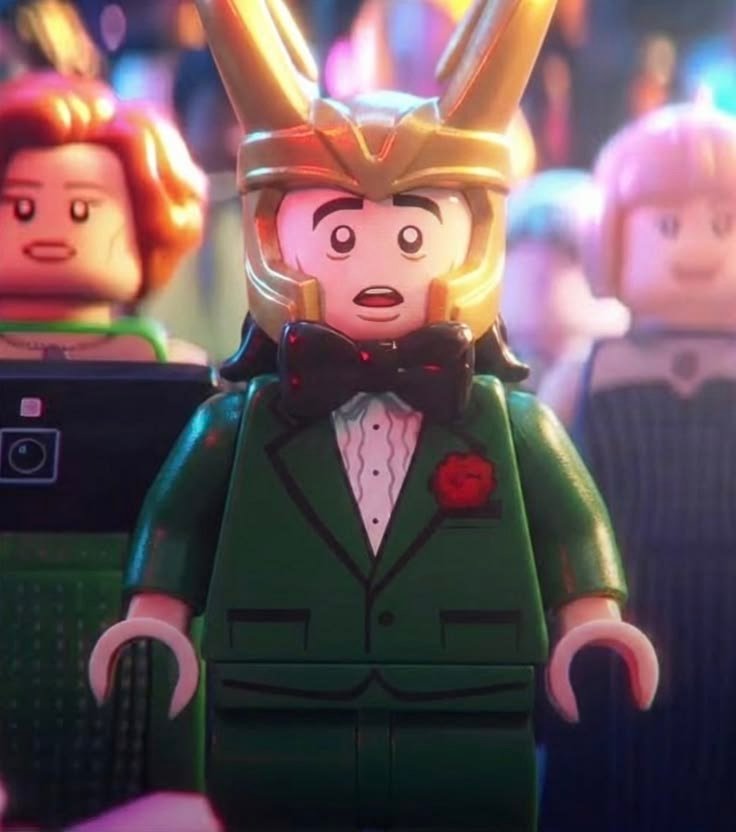
LEGO Marvel PFPs draw on the same superhero recognizability the source comics built over decades, but translated into brick form the appeal shifts toward texture the printed muscle lines on a torso piece, a cape piece’s fabric-like drape, or the reflective sheen LEGO uses on newer superhero helmet pieces.
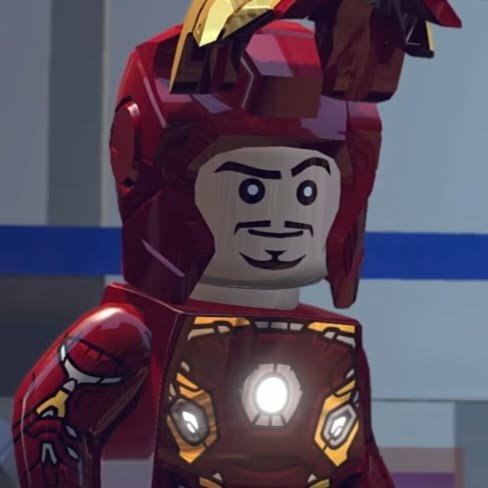
Spider-Man in particular carries outsized demand inside this category, and the reason tracks with the character rather than the brand: the web pattern print on the torso and mask reads clearly even when scaled down to avatar size, unlike more detailed comic-accurate designs that blur into noise at 100×100 pixels.
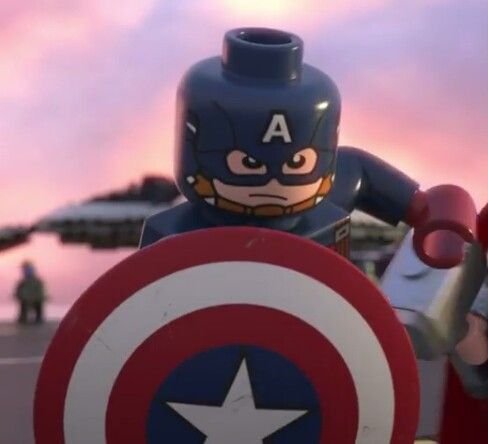
Where Marvel PFPs tend to underperform is background choice a minifigure shot against a busy comic-panel backdrop competes with the character for attention, while a flat, single-color background (often matching the character’s signature color) tends to hold up better once it’s cropped into a small circular avatar.
Check out our Iron Man PFP or Doctor Doom PFP collections for the classic versions of these characters.
LEGO DC PFP
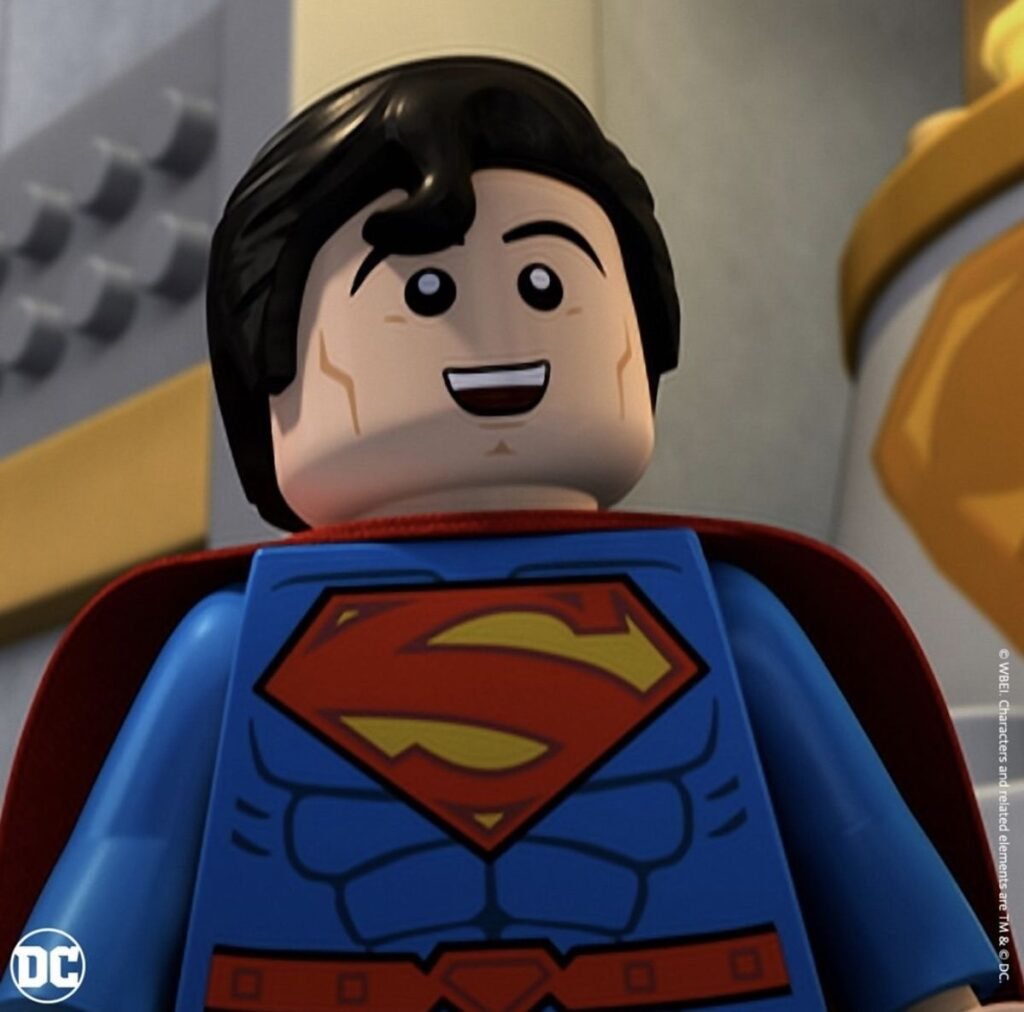
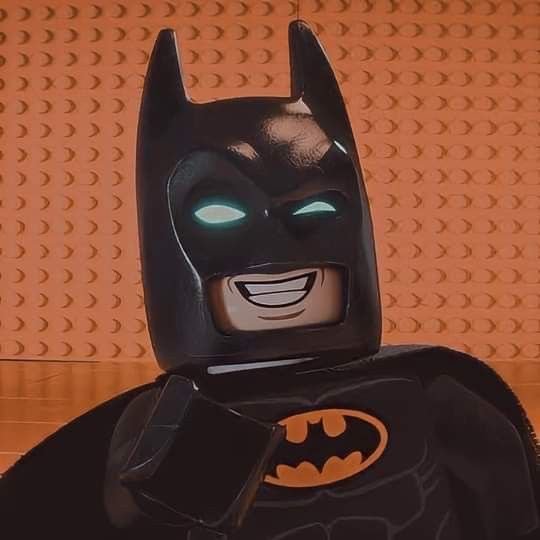
DC’s LEGO minifigure line leans harder into collectible culture than Marvel’s does, which shapes how fans photograph it for PFP use closer to product photography, with clean lighting and a plain backdrop, rather than the action-pose framing common in Marvel builds.
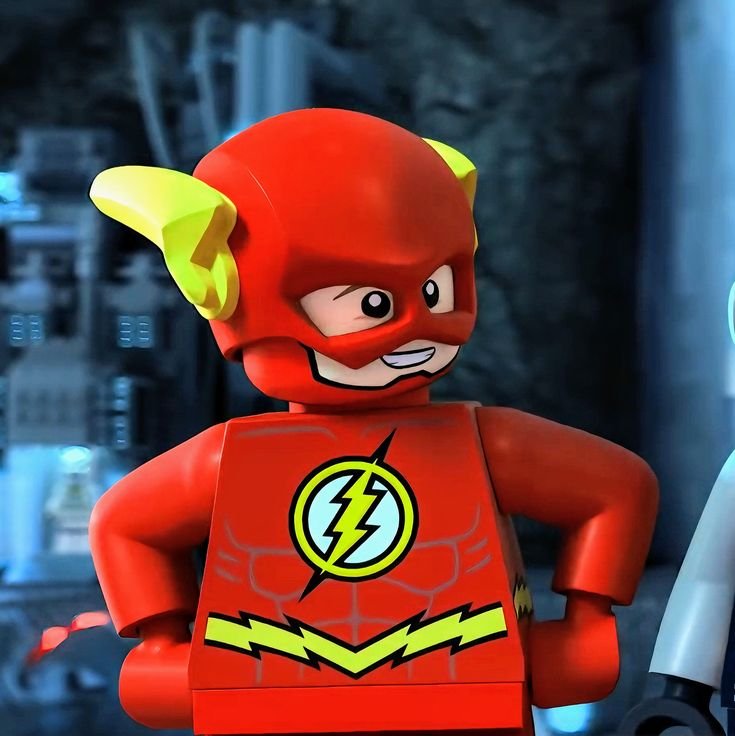
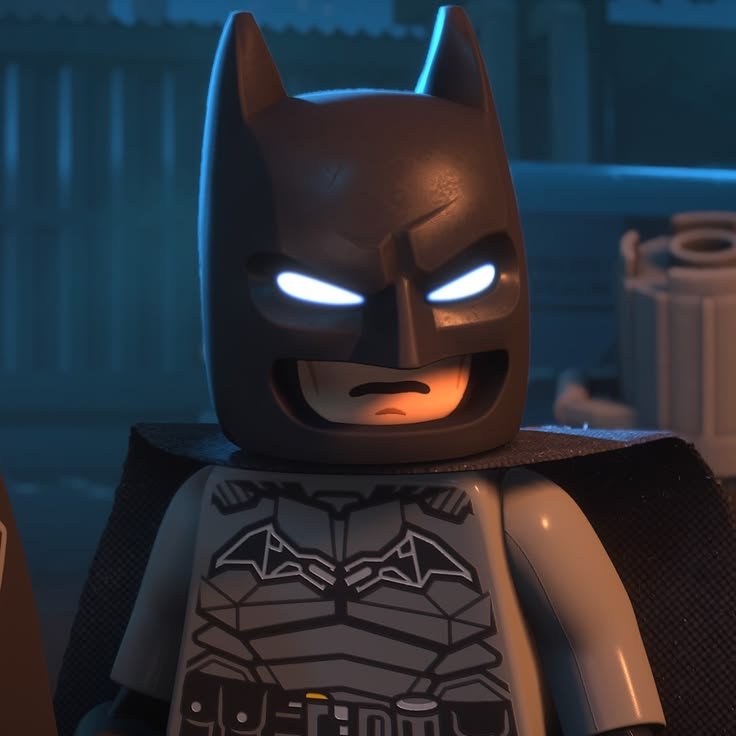
Batman dominates this category specifically because the cowl piece has been redesigned multiple times across LEGO DC sets, giving collectors and PFP-hunters an actual choice of “which Batman” rather than one fixed look classic cowl, tactical suit, or a specific movie-tie-in version all carry separate fan followings.
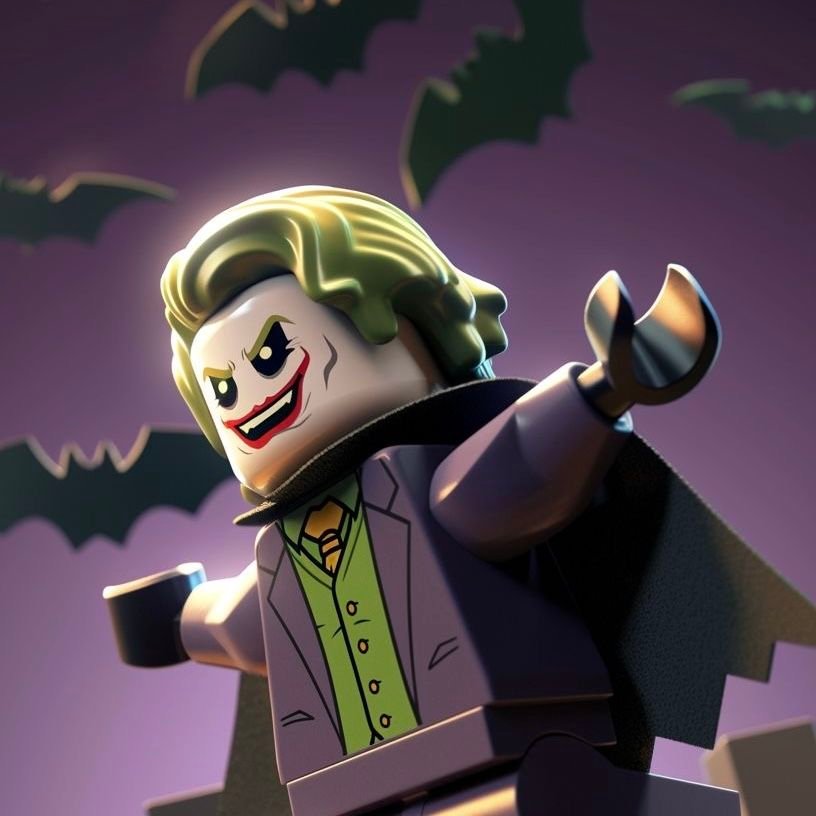
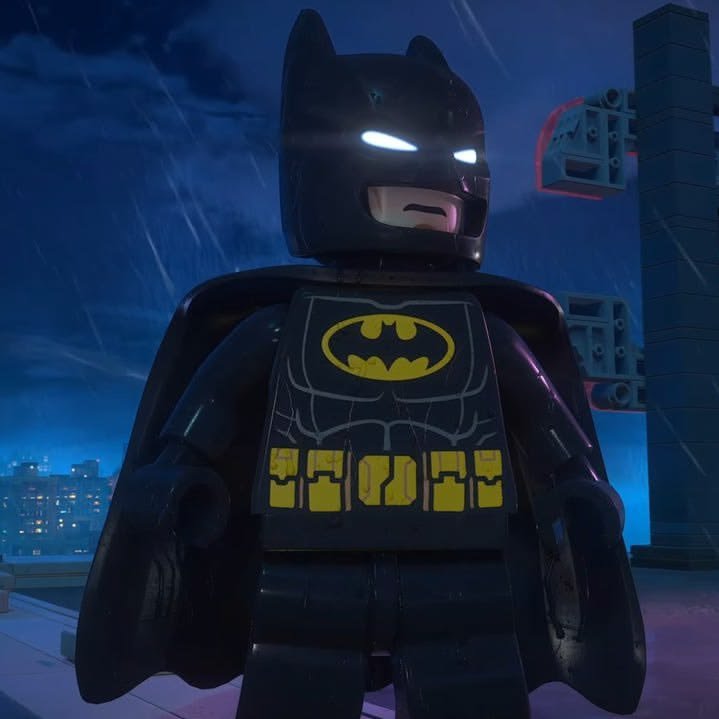
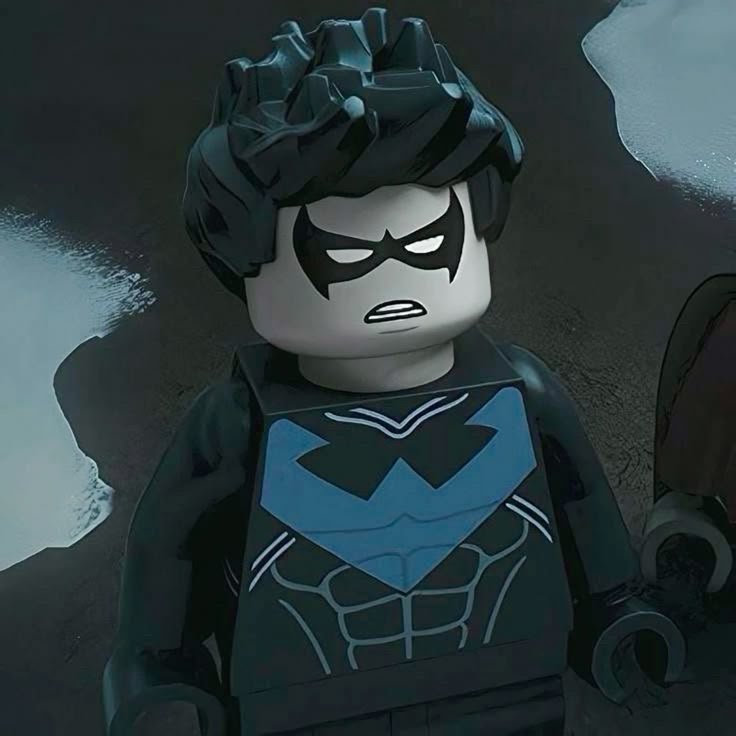
Beyond Batman, secondary DC characters like Nightwing have their own small but consistent fan demand inside LEGO PFP communities, usually built around a specific comic run or animated series look rather than the mainline movie design, which is worth knowing if you want a DC pick that isn’t the obvious one.
For the original (non-LEGO) take on this character, see our Batman PFP collection.
Matching LEGO PFP
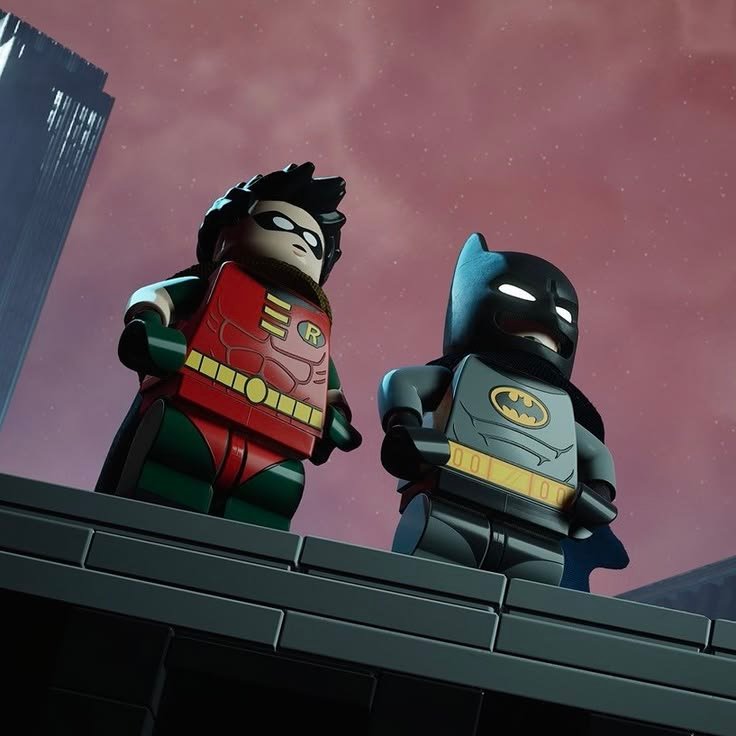
Matching or couple LEGO PFPs are one of the most actively requested formats in the category right now, with fans regularly posting open calls for someone to pair up with rather than sourcing a pre-made matching set a very different demand pattern from most PFP categories, where matching sets are usually pre-built by the original artist.
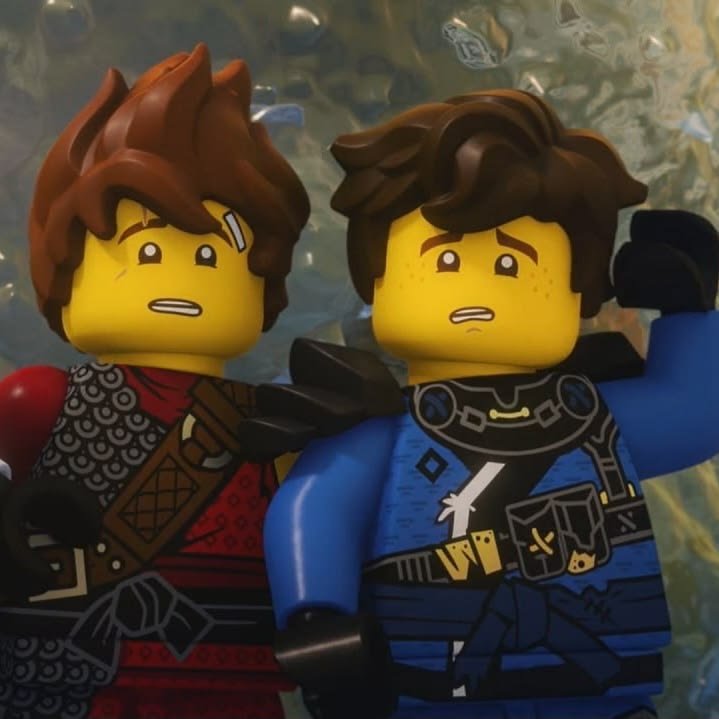
The mechanic that makes LEGO especially good for this is modular building: two minifigures can share a torso color, a matching accessory, or complementary hairstyles without needing to be the same character at all, which gives friend groups more flexibility than matching anime or cartoon PFPs typically allow.
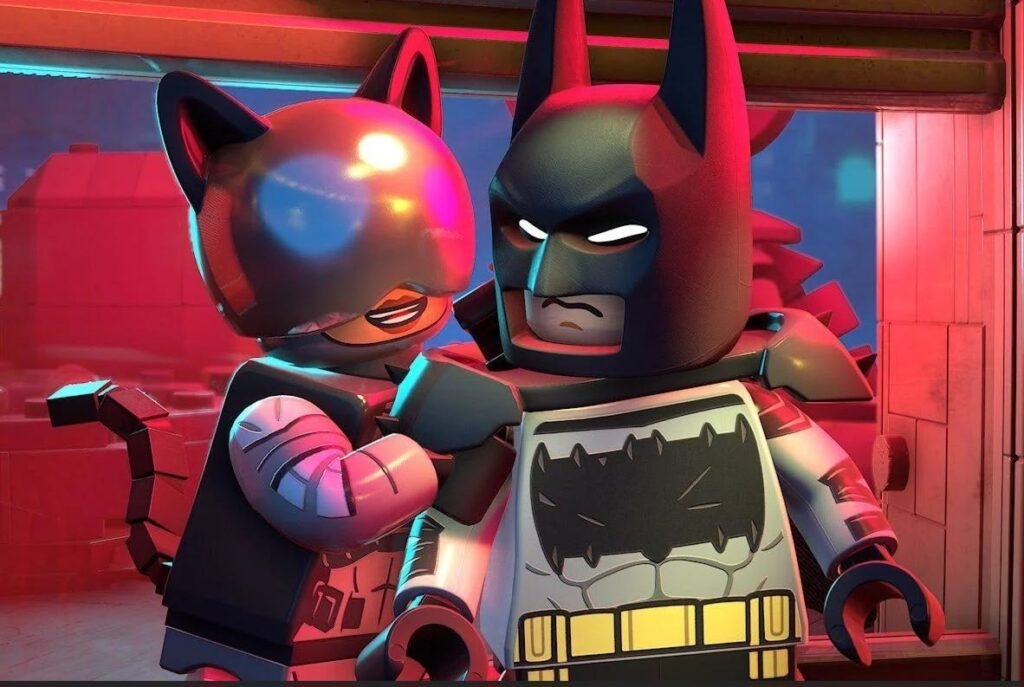
For couples specifically, the strongest matching LEGO PFPs pair contrasting rather than identical elements one minifigure in a warm color, one in a cool color, both holding a piece from the same theme since two identical figures side by side tend to read as a “before/after” comparison rather than a couple.
Funny LEGO Meme PFP
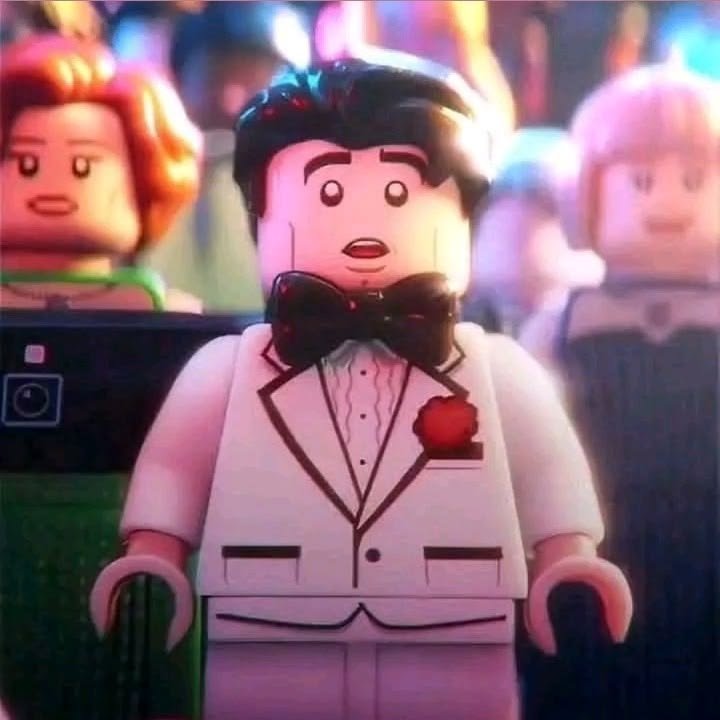
The funny LEGO PFP lane leans entirely on expression mismatch a minifigure’s default printed face is a flat smile, so the humor almost always comes from pairing that neutral expression against a chaotic pose, an oversized accessory, or a caption-worthy scene rather than from the face print itself.
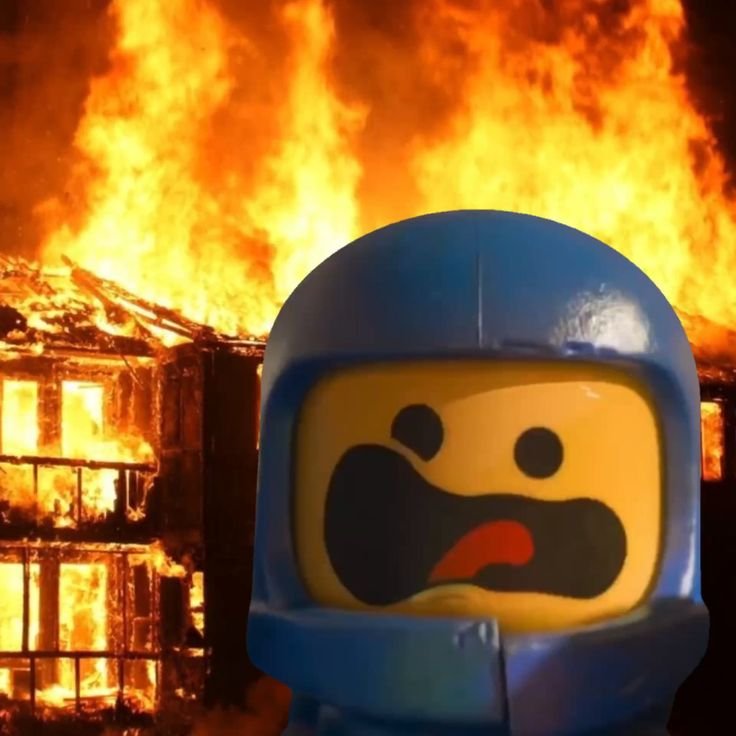
Awkward or exaggerated poses outperform straight-on shots here specifically because minifigures have limited joint articulation a figure caught mid-fall, stuck upside down in a brick pile, or holding a comically oversized piece reads as funnier than the same figure posed normally, precisely because it looks like an accident rather than a staged joke.
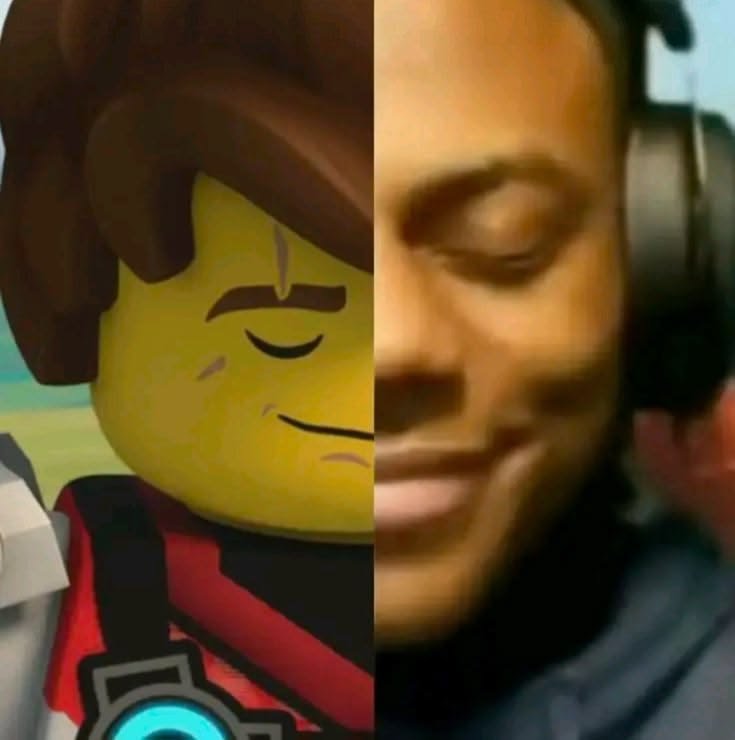
This category also tends to travel well on Discord and gaming profiles specifically, where a slightly self-deprecating or chaotic avatar reads as more approachable in a community setting than a polished, serious one would.
LEGO PFP for Discord
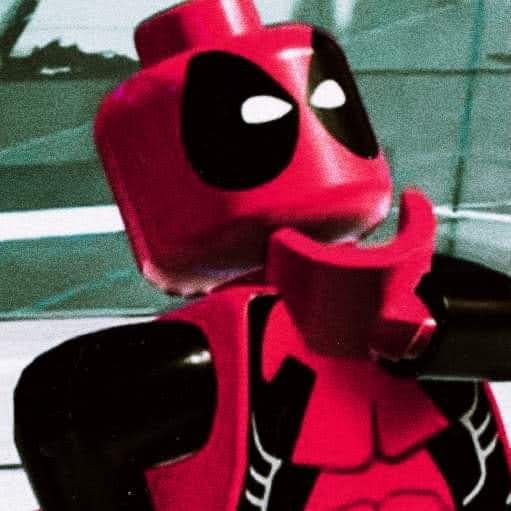
Discord crops every avatar into a small circle sitting directly beside a colored status dot and, depending on the server, a role-color username which means a LEGO PFP with a lot of small background detail tends to disappear, while a close-cropped minifigure head against one solid color holds up.
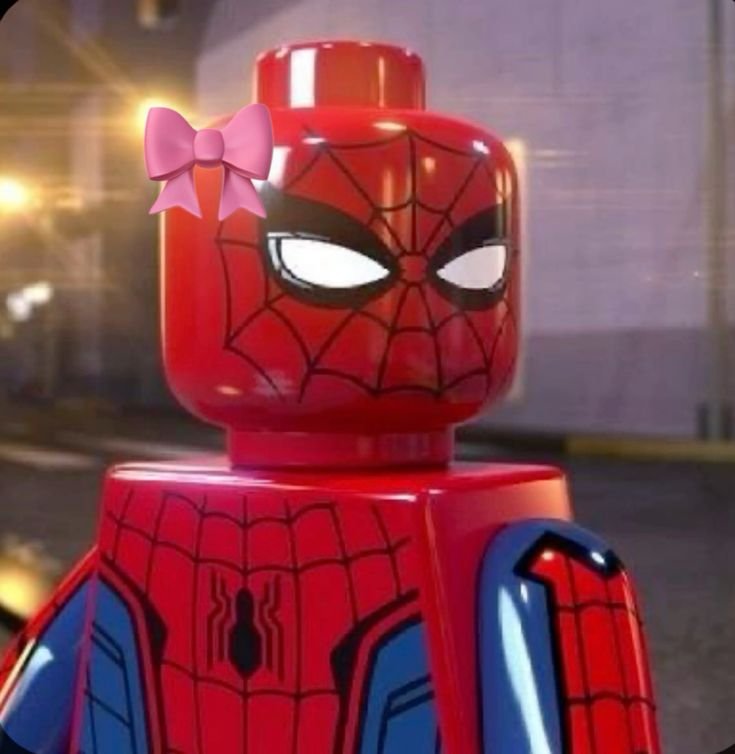
Server banner pairing is the other Discord-specific consideration: since banners and avatars sit adjacent on a profile card, picking a minifigure torso or background color that complements rather than clashes with your banner makes the whole profile read as intentional instead of mismatched.
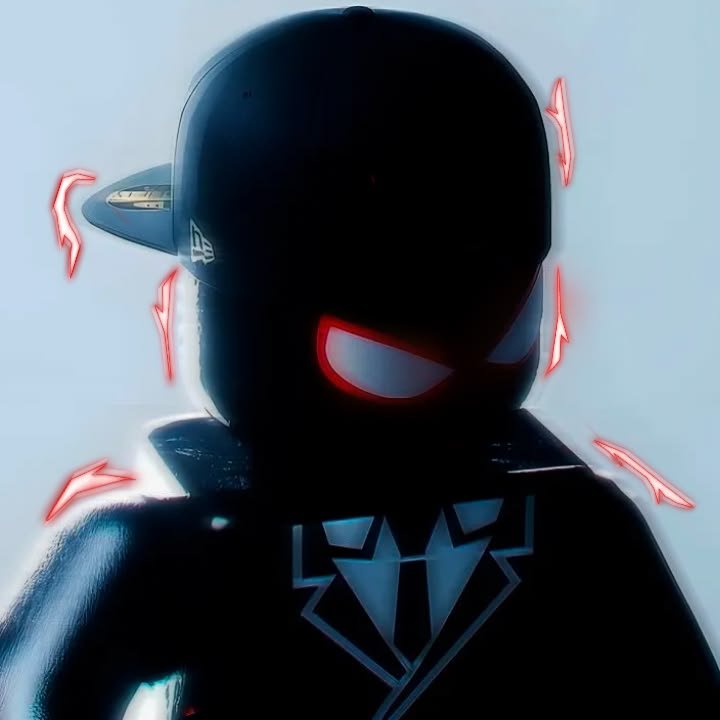
Because Discord avatars render tiny in chat next to messages, expression is the one detail that has to survive the crop a wide smile or distinct mask shape reads instantly at that size, while subtle expressions or detailed face prints mostly just look like a blur.
LEGO PFP for TikTok
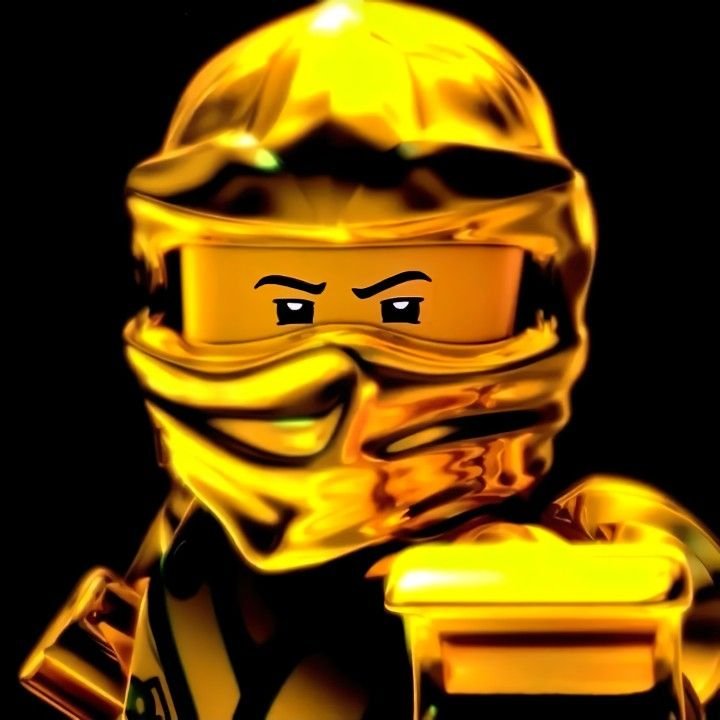
TikTok is a genuinely active platform for this category specifically because of how avatars get discovered fans are pausing official LEGO promotional videos and screenshotting a specific frame as their PFP, then posting the “how to get this pfp” tutorial as its own piece of content, which is a discovery loop unique to video platforms.
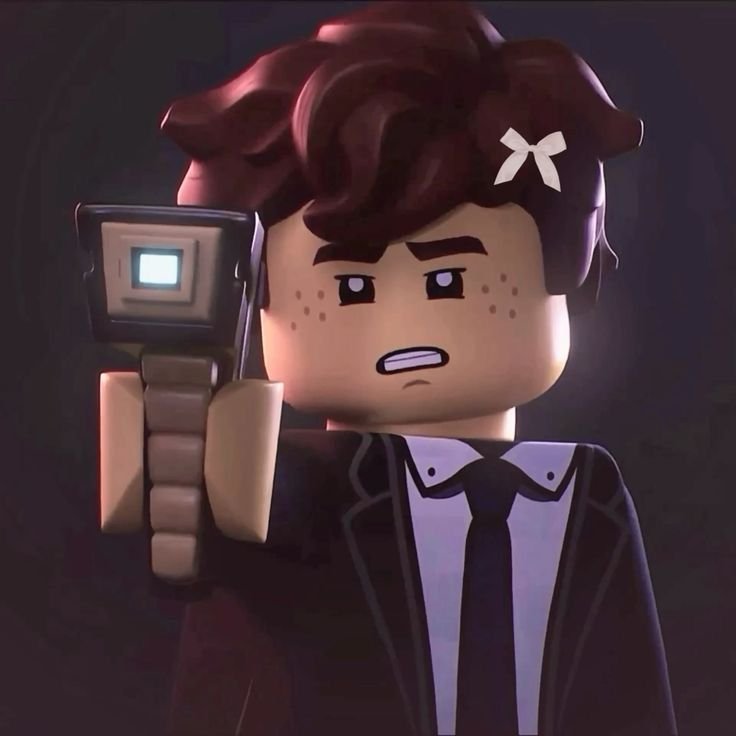
Your avatar also sits directly beside a fast-scrolling comment section on TikTok, competing for attention with dozens of usernames at once, so high-contrast minifigure builds a bright torso against a dark background, or vice versa hold up far better than muted, aesthetic-leaning builds do in that context.
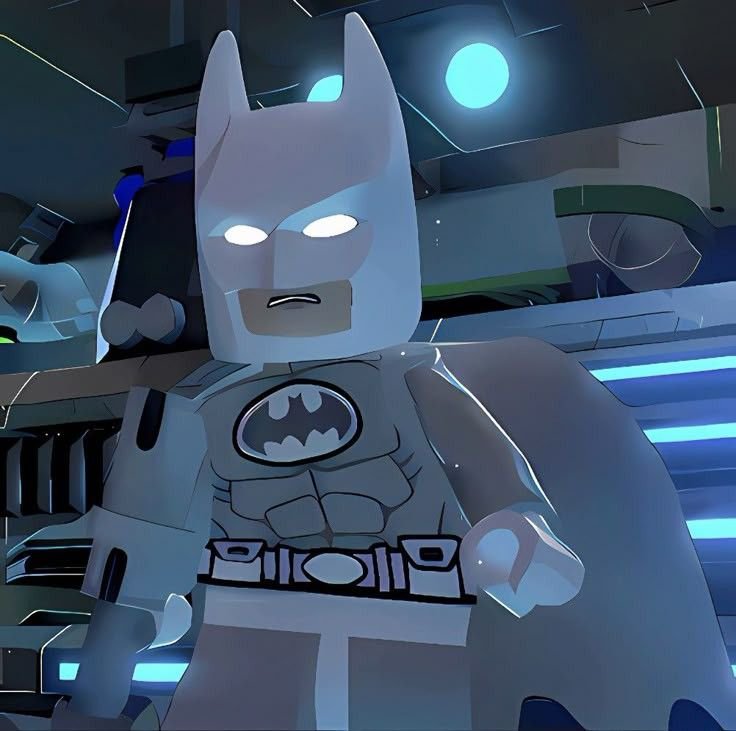
Duet and stitch grids compress avatars down even further than the comment section does, which is another argument for bold color blocking over detailed scene-building when TikTok is the primary platform.
LEGO PFP for Instagram
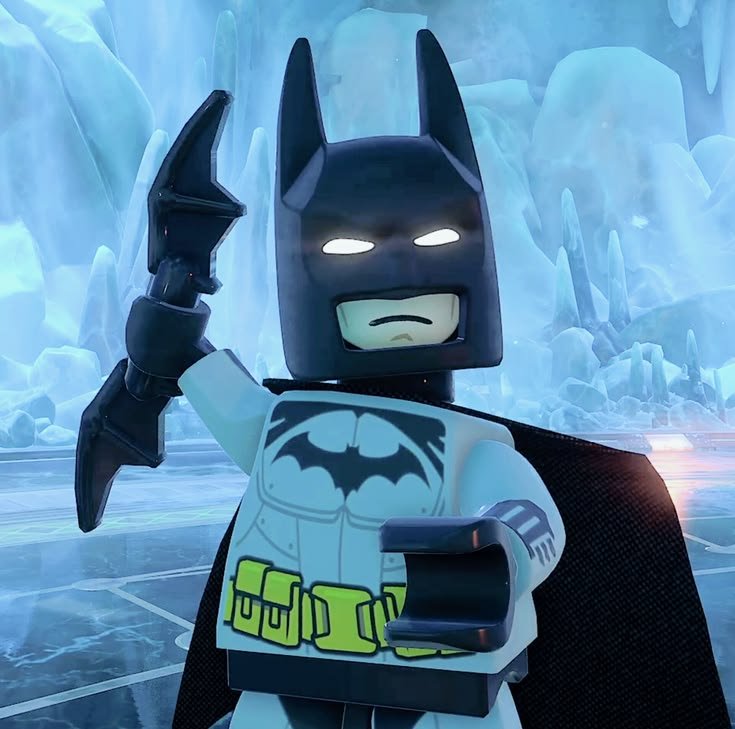
Instagram’s story ring crops your avatar into a circle with a colored gradient border, which means edge detail gets clipped first centering the minifigure’s head and shoulders with margin to spare matters more here than in almost any other platform-specific crop.
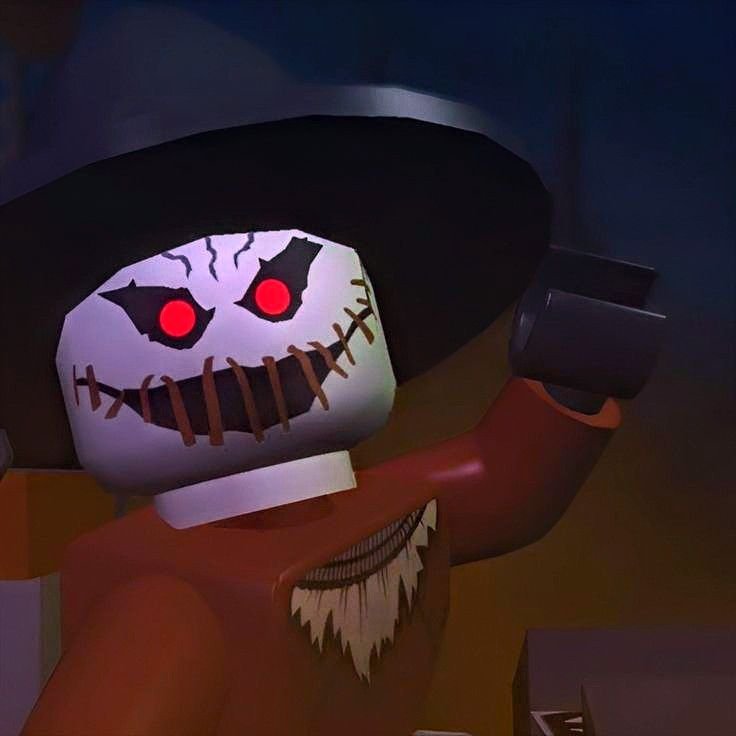
Grid coordination is the other Instagram-specific factor: since your avatar sits above a feed of your own posts, choosing a LEGO PFP whose dominant color echoes your grid’s palette (rather than clashing loudly against it) makes a profile feel curated rather than accidental.
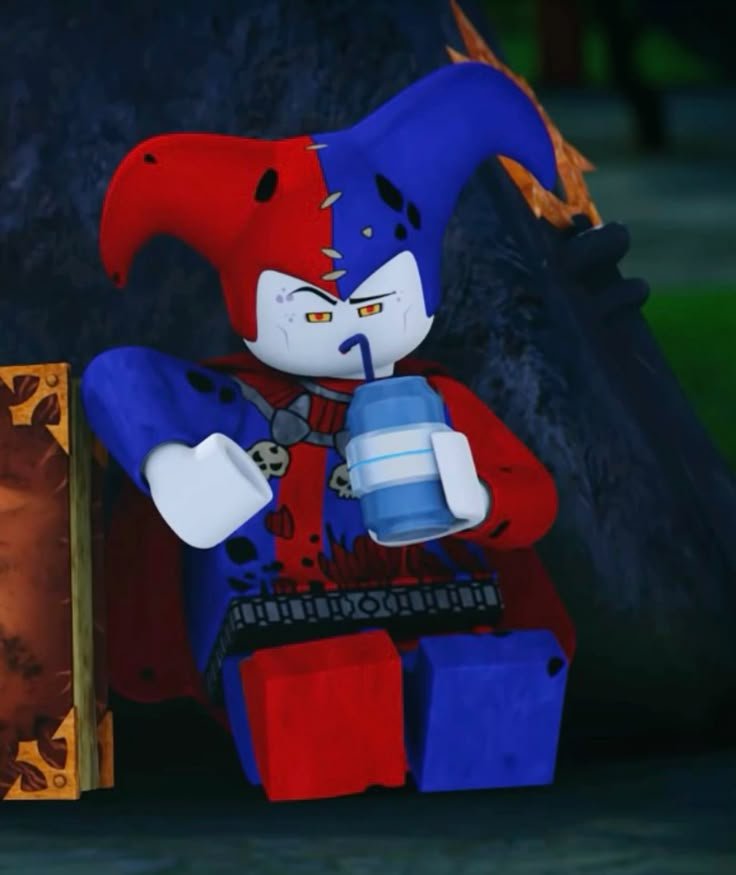
Instagram also renders avatars at a slightly larger size than Discord or TikTok in most placements, which is the one platform where a more detailed, aesthetic-leaning LEGO PFP can actually hold up better than a bold, high-contrast one would.
LEGO PFP for Pinterest
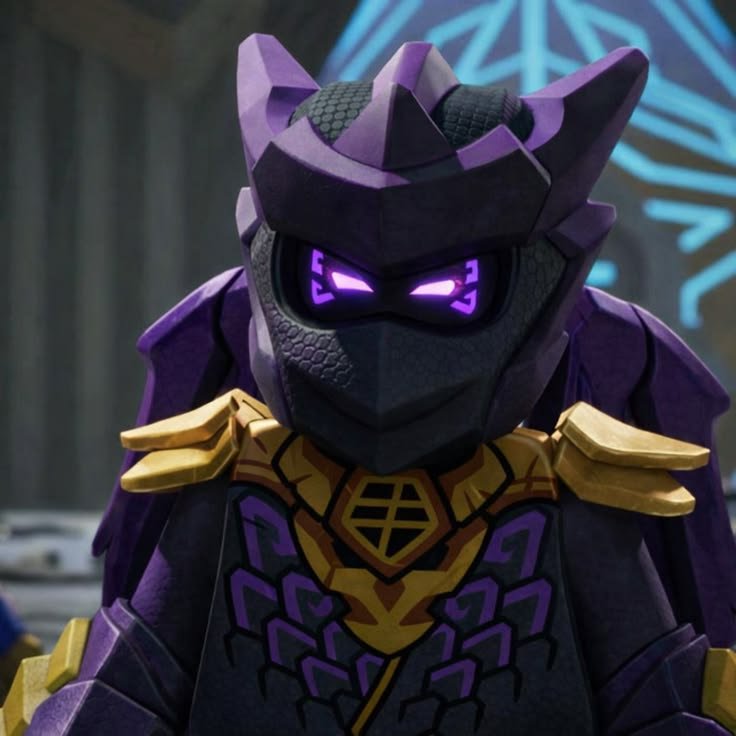
Pinterest works differently from every other platform in this list because the avatar itself is rarely the point of discovery boards are. LEGO PFP content spreads here through curated collections (an “aesthetic,” a “Star Wars,” or a “matching pfp” board) rather than through a single image competing for attention next to a username.

That board-based discovery is also why non-cropped, full-frame images tend to outperform tightly circle-cropped avatars on Pinterest specifically pinners are often saving the image to reuse as a phone wallpaper or a matching set reference, not just as a small profile icon.
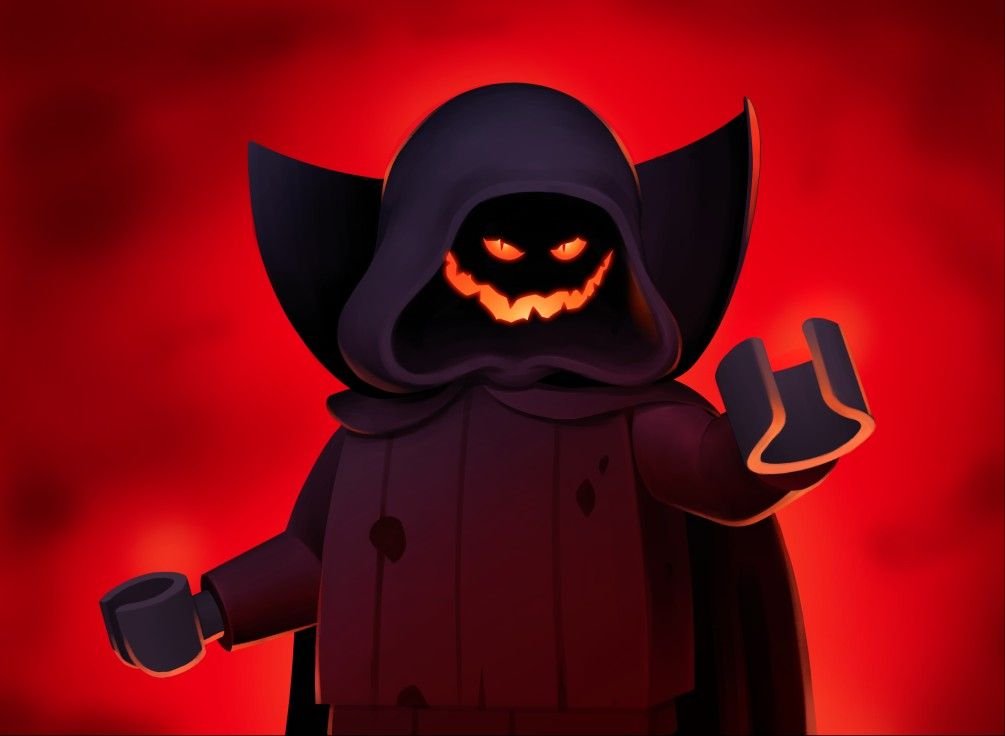
Because of that dual purpose, the strongest-performing LEGO PFP pins tend to be shot in a slightly wider frame than a true avatar crop would use, giving people enough surrounding detail to justify saving it rather than just viewing it.
HD/4K LEGO PFP
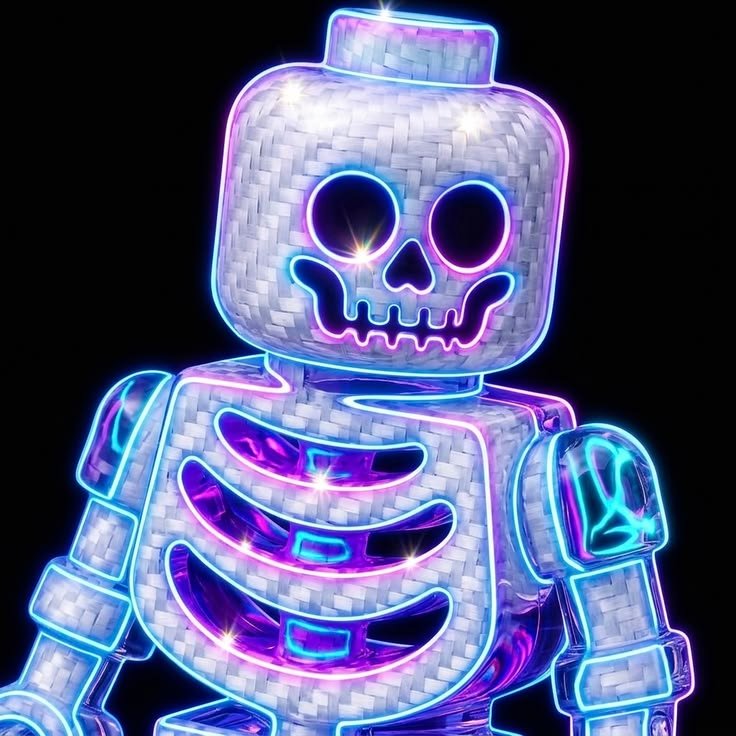
At true 4K resolution, the plastic itself becomes part of the image visible mold lines, tiny scuffs on a well-loved minifigure, and the specific glossy sheen of ABS plastic under light all show up in a way they simply don’t in a compressed, low-resolution avatar.
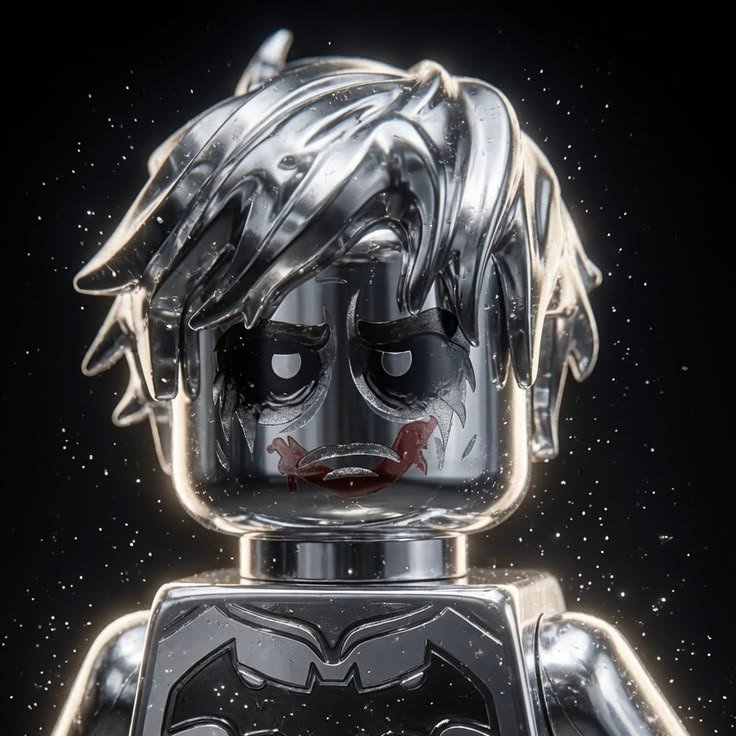
That level of detail changes what “good lighting” means for this category: soft, diffused light (an overcast window or a softbox) reads better at high resolution than the harsher direct lighting that works fine for a cool or dramatic PFP shot at normal compression.
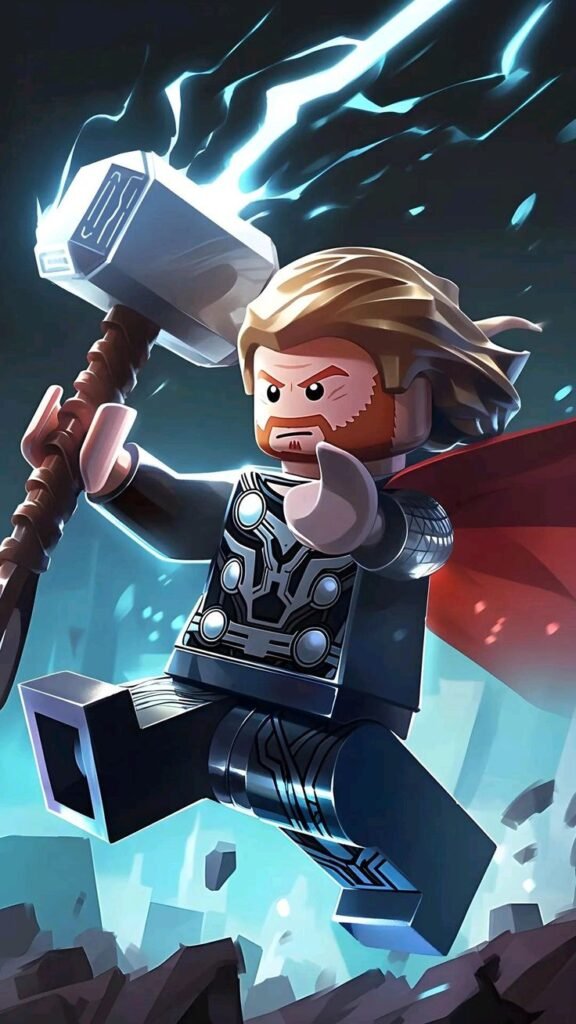
HD LEGO PFPs are also where background separation matters most a shallow depth of field that blurs everything behind the minifigure keeps the extra resolution focused on the figure itself instead of revealing distracting clutter you wouldn’t have noticed at a smaller size.
Fans of playful, stylized gaming aesthetics may also like our Sonic PFP collection.
LEGO PFP Wallpaper
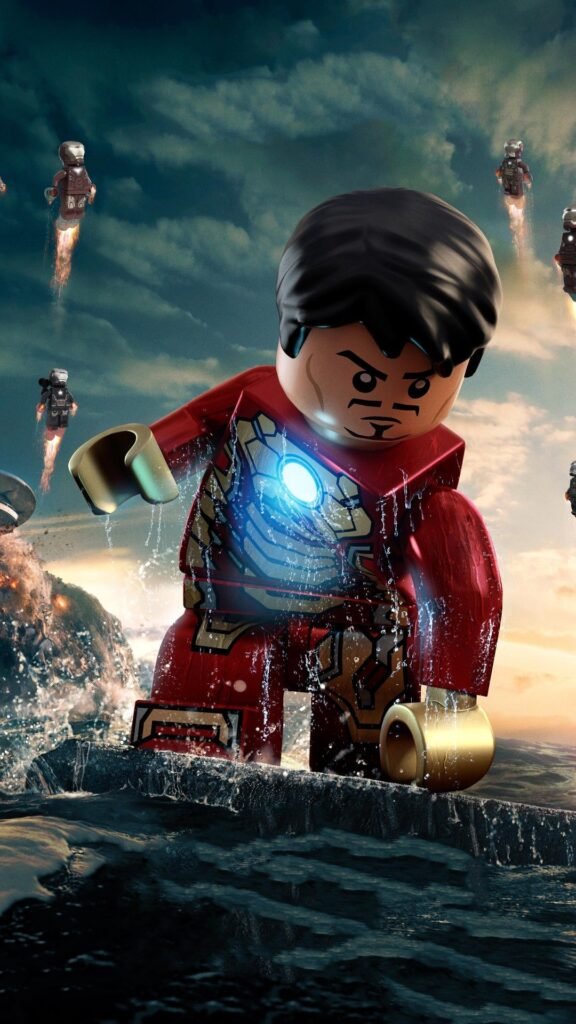
Wallpaper-format LEGO images serve a different purpose than an avatar crop, which is exactly why the strongest ones use a wide, scene-based composition a minifigure set within a full brick-built environment rather than the tight character close-up that works for a profile picture.
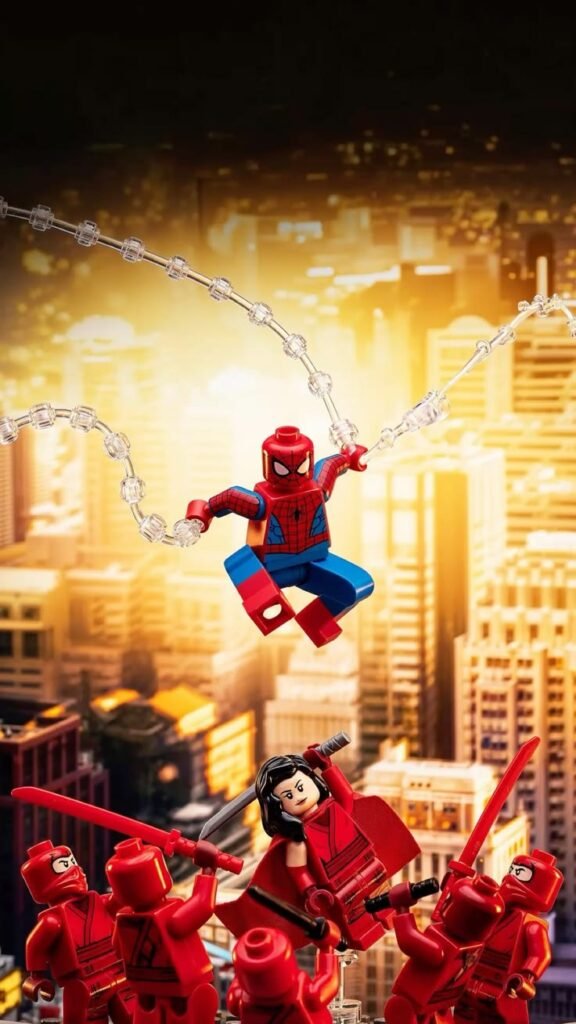
Vertical phone-wallpaper crops in particular favor a minifigure positioned in the lower third of the frame with open space above, since that’s where most phone lock screens place the clock and notification icons without covering the subject.
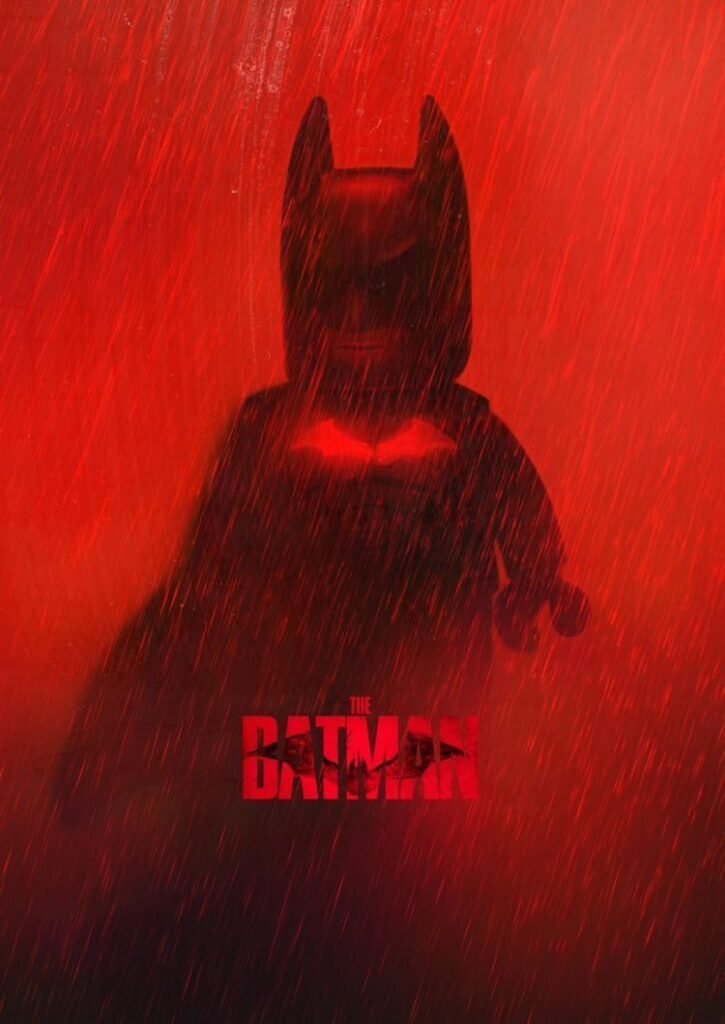
Because wallpapers get viewed at full screen size rather than cropped into a circle, color palette consistency across the whole image not just the minifigure matters far more here than it does for any avatar-focused category on this list.
How to Choose the Right LEGO PFP
- Check the crop first. Test how the image looks in a small circle before committing Discord, TikTok, and Instagram all crop differently, and a detail-heavy shot can lose its subject entirely.
- Match contrast to platform. High-contrast, bold color blocking for TikTok and Discord; softer, aesthetic tones hold up better on Instagram and Pinterest.
- Let the accessory or color carry recognition. A minifigure’s weapon, cape, or torso color often identifies the character faster than the face print does at avatar size.
- Pick a background that won’t compete. A single solid or muted color keeps the minifigure as the clear subject once it’s cropped small.
- Consider banner pairing. On platforms with a banner or header image, choose a PFP color that complements it rather than clashing.
- Prioritize resolution if you’re going wallpaper-sized. A PFP-optimized crop won’t hold up at full screen size — source or build separately for each use case.
- Stay consistent with your grid or theme. If your profile leans toward one sub-theme (Star Wars, Ninjago, aesthetic), matching new PFPs to that established tone keeps a profile feeling intentional rather than random.
A final consideration worth mentioning: LEGO’s own online presence has leaned more into official minifigure “avatar builder” style tools in recent years, letting fans generate a custom figure digitally rather than photographing a physical one. If you go that route, the same crop and contrast rules above still apply a digitally built minifigure crops and compresses exactly the way a photographed one does, so platform fit shouldn’t be an afterthought just because the source image is easier to produce.
Read: Broly PFP
Read: Megumi Fushiguro PFP
Read: God of War PFP
Read: Captain Smoker PFP
Read: Nightwing PFP
Frequently Asked Questions
Conclusion
What separates a LEGO PFP from most other profile picture categories is that the brand’s own design logic swappable parts, color-coded identity, a face built to be endlessly reconfigured happens to map almost perfectly onto how people actually use avatars now. Whether the pull is Ninjago’s from-scratch color coding, Star Wars’ licensed character accuracy, or the simple pastel calm of an aesthetic-only build, the format has genuine range without needing to borrow its personality from a single fixed image.
That range is exactly why the category keeps growing across such different platforms: a bold, high-contrast minifigure works on TikTok and Discord, a softer aesthetic build fits Instagram and Pinterest, and a full-scene wallpaper serves an entirely different purpose than any of them. A LEGO PFP isn’t one look it’s a build system for identity, which is a rarer thing for a profile picture to genuinely offer.

3 Comments