How to Prepare a Used Boat for a Smooth Sale in Warsaw, Missouri
Key Takeaways
- A clean, well-documented boat can inspire more buyer confidence than a long sales pitch.
- Safety concerns and obvious mechanical problems should take priority over cosmetic upgrades.
- Accurate photos, records, and disclosures can reduce wasted showings and repeated questions.
- Ownership documents, trailer paperwork, and lien information should be organized before listing.
- A clear process for offers, inspections, and handoff can prevent last-minute delays.
Selling a used boat in Warsaw, Missouri starts with making its condition, history, and included equipment easy for a buyer to understand. Whether the boat has spent weekends on Truman Lake, Lake of the Ozarks, or smaller nearby waterways, owners who are ready to sell my boat can reduce uncertainty by preparing well before the listing goes live.
Local boating conditions in the Warsaw area can leave a visible mark over time. Sun exposure, fluctuating water levels in Missouri’s lakes, trailer miles, dock contact, and long periods of seasonal storage can all affect how a vessel presents itself. A realistic plan helps a Warsaw seller focus on the details that build confidence, rather than spending money on improvements that may not matter to the next owner.
Start by choosing a target selling timeline and deciding whether a private sale, trade, or dealer purchase option best fits your needs. Include cleaning, repairs, storage, advertising, hauling, and possible survey costs in the plan. The amount spent on the boat over the years may be personally meaningful, but buyers will compare its current condition with similar boats available in the Warsaw and central Missouri boating market.
Owners comparing local listings for boats for sell in Warsaw should look beyond the year and asking price. A well-kept older fishing boat with service invoices, a tidy interior, and a sound trailer may draw stronger interest than a newer model with neglected maintenance or incomplete paperwork.
Inspect the Boat From Bow to Stern
Complete a careful walk-around before committing to repairs or setting a price. Bring a notepad and record what works, what needs attention, and what has recently been serviced. A buyer will likely notice visible issues, so identifying them early allows you to handle them honestly.
Hull, Systems, and Trailer
- Check the hull, deck, transom, rails, cleats, hatches, and hardware for damage, loose fittings, or worn sealant.
- Start the engine if practical, then check fluid levels, gauges, steering, controls, batteries, bilge pumps, lights, and switches.
- Open lockers, livewells, storage spaces, and cabin areas to look for moisture, odors, damaged upholstery, or missing hardware.
- If a trailer is included, inspect tires, lights, brakes, bearings, bunks, winch operation, safety chains, and the coupler.
Safety equipment deserves its own review. The U.S. Coast Guard boating safety guidance can help sellers review the equipment commonly required and check whether items such as life jackets, fire extinguishers, visual distress signals, and navigation lights need attention before a showing.
Choose Repairs That Make Financial Sense
Sort every issue into one of three categories. First, address safety repairs that may affect operations or raise concerns during an inspection. Second, consider sale-blocking repairs, such as a no-start condition, a serious trailer problem, or a leaking fitting. Third, evaluate cosmetic work, including worn decals, minor upholstery flaws, or faded accessories.
Do not assume every upgrade will increase the final sale price by its full cost. New electronics, custom finishes, and personal accessories may appeal to some buyers but not others. In many cases, working systems, a clean bilge, dependable controls, and honest maintenance records matter more than a costly addition chosen for individual preference.
Organize Ownership and Service Records
Create one physical folder or a clearly labeled digital file for the sale. Include the boat title, registration or documentation records, hull identification number details, service invoices, engine-hour information, repair receipts, manuals, keys, remotes, warranties, and spare parts. If the trailer is part of the sale, place its title and registration documents with the boat records.
Check names, identification numbers, and ownership details for consistency before accepting an offer. A lien payoff or release should be addressed early, not after a buyer has arranged financing or travel. For the final transfer, review the Missouri boat ownership requirements that apply to the boat and trailer, since registration and title steps can depend on the specific property being transferred.
Clean, Stage, Photograph, and Price the Boat
Cleaning does not conceal the condition. It lets buyers judge condition without clutter, dirt, stale odors, or loose gear getting in the way. Remove personal belongings, trash, old tackle, and equipment that is not included. Wash the hull, deck, cockpit, trailer, engine area, lockers, and interior spaces. Air out enclosed areas, replace minor missing fasteners, and arrange the included gear so it is easy to identify.
Build an Honest Listing
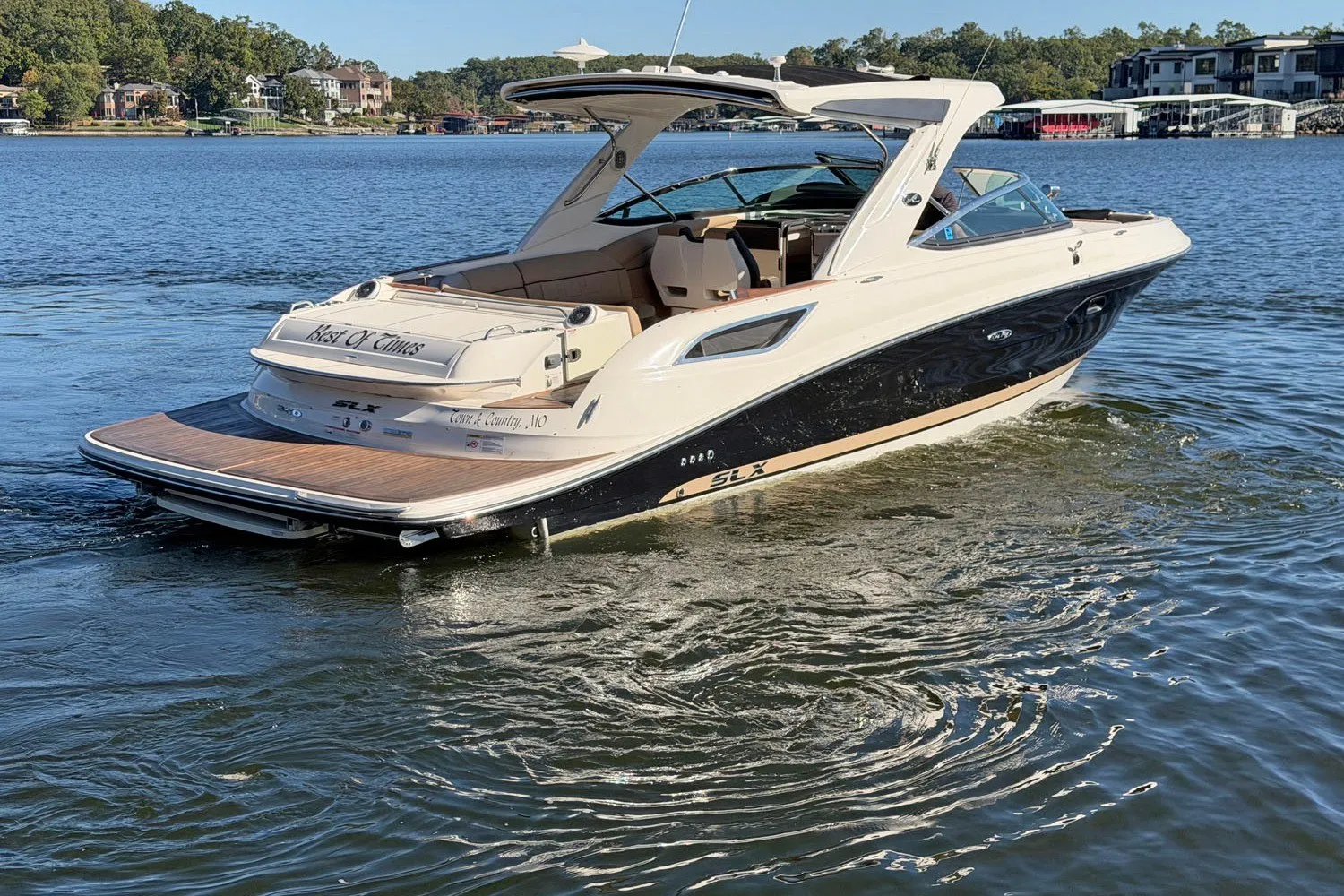
Take photos outside in bright daylight, including full port and starboard views, bow and stern, helm, cockpit, cabin, storage, engine, trailer, electronics, and accessories. Capture upgrades and flaws. Write the year, make, model, length, engine info, hours, equipment, storage history, and issues. Set the asking price by comparing similar boats in Warsaw, Missouri, considering engine, condition, and equipment. List both advertised and realistic prices. An inflated price reduces interest, while a fair price with details attracts qualified inquiries. If response is low, revisit the price and presentation.
Manage Buyers, Sea Trials, and Final Paperwork
Answer questions factually, keep a list of what’s included and excluded, and share service records with serious buyers. Set expectations for showings, inspections, surveys, and sea trials. Before major outings, discuss cost coverage. When accepting an offer, confirm payment details before releasing the boat, title, trailer, keys, or documents. Use a bill of sale with boat details, purchase price, and included equipment. Remove personal info from electronics and document transfer of manuals, safety gear, keys, and accessories.
Final Pre-Listing Checklist
- The boat is clean, cleared out, and ready for viewing.
- Major safety and operating concerns have been identified or addressed.
- Engine hours, service history, and known flaws are recorded accurately.
- Boat, trailer, lien, and ownership documents are organized.
- Photos show the vessel clearly in good light.
- The asking price reflects comparable condition and equipment.
- Plans for inspections, sea trials, offers, and final transfer are clear.
A smooth used-boat sale in Warsaw, Missouri, depends on preparation. Clean presentation, complete records, sensible repairs, realistic pricing, and straightforward communication give serious buyers fewer reasons to hesitate and help sellers move toward a confident closing.