The New Ritual of At-Home Well-Being: Why Scent Is Changing Everyday Spaces
The way people experience their homes is changing. Beyond furniture, lighting, temperature, and décor, there is growing interest in another part of the indoor environment: scent.
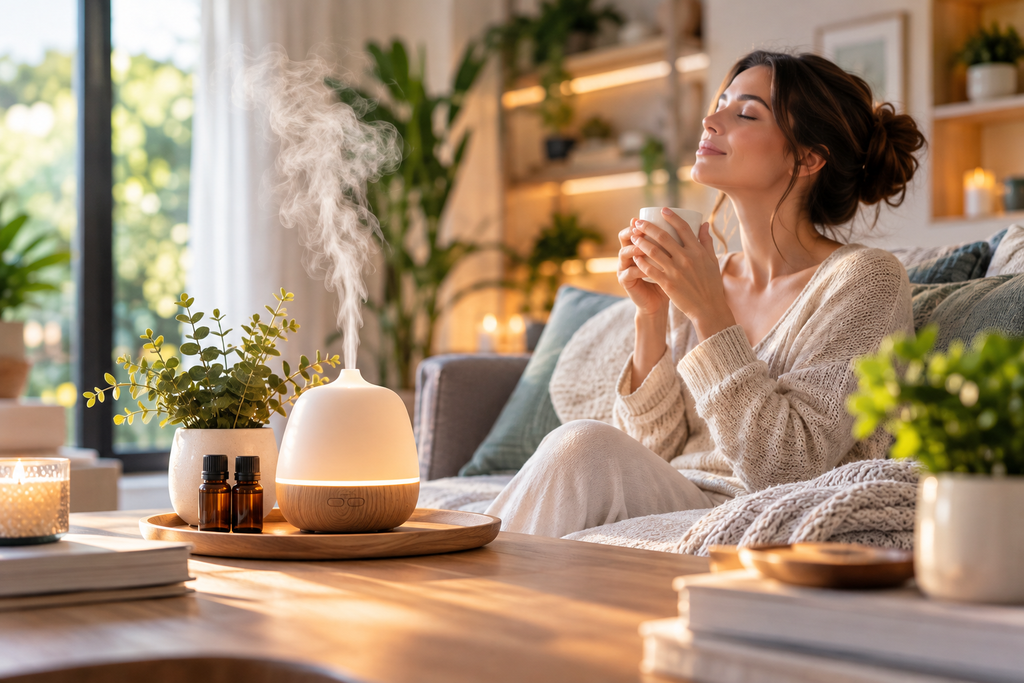
Fragrance can influence how a space is perceived and can become associated with particular activities, memories, and routines. This has contributed to the growing popularity of home fragrance products, particularly devices designed to disperse essential oils.
But understanding this trend requires more than knowing how these devices work. It involves looking at fragrance science, essential oil composition, different diffusion technologies, practical considerations, safety, and the limits of current research.
Why Scent Matters in Everyday Environments
Smell is closely connected with memory and emotion. Unlike information that is primarily processed through sight or sound, odors can trigger strong associations with people, places, and previous experiences.
A familiar fragrance, for example, may remind someone of a particular home, vacation, season, or person.
This makes scent an interesting component of environmental design.
A room can have the same furniture and lighting but feel noticeably different when its fragrance changes. A fresh citrus aroma may create a different perception from a woody or floral fragrance, even though nothing else in the room has changed.
This is one reason fragrance has become increasingly relevant to hospitality, retail, wellness spaces, and residential interiors.
However, perception is individual. A fragrance that one person considers relaxing may be unpleasant or irritating to another.
What Is an Oil Diffuser?
An Oil Diffuser is a device that disperses aromatic substances, usually essential oils, into the surrounding environment.
The term covers several different technologies, and they do not all operate in the same way.
Ultrasonic Diffusers
Ultrasonic models use high-frequency vibrations to break a mixture of water and essential oil into a fine aerosol or mist.
They are commonly used in residential settings because they tend to operate quietly and can provide both fragrance and visible mist.
Nebulizing Diffusers
Nebulizing systems use pressurized air to break essential oil into very small particles without requiring water.
Because they generally deliver a more concentrated fragrance, users need to pay closer attention to manufacturer instructions and ventilation.
Heat-Based Diffusers
Heat can be used to encourage aromatic compounds to evaporate. These systems are relatively simple but can alter the chemical composition of some volatile compounds depending on the temperature.
Passive Diffusion
Passive systems rely on natural evaporation from materials such as reeds, ceramic surfaces, or absorbent objects.
There is no mechanical mist or airflow mechanism. Fragrance gradually enters the surrounding air through evaporation.
Each approach produces a different fragrance experience, so comparing devices solely by appearance or price can be misleading.
Understanding Essential Oils
Essential oils are concentrated mixtures of volatile compounds obtained from plants.
They can be produced from different plant parts, including flowers, leaves, stems, bark, roots, fruits, or peels. Extraction methods may include steam distillation, expression, or other specialized processes.
The chemical composition of an essential oil depends on several factors:
- Plant species
- Plant variety
- Geographic origin
- Growing conditions
- Harvest timing
- Plant part used
- Extraction method
- Storage conditions
Consequently, two products carrying the same common oil name may not necessarily have identical chemical profiles.
This is why informed consumers should look beyond attractive packaging and investigate labeling, botanical identity, ingredients, manufacturer information, and recommended use.
Fragrance Is Not the Same as Aromatherapy
These terms are related but not interchangeable. Fragrance refers to the sensory experience of an aroma, while aromatherapy generally describes the complementary use of aromatic plant products, especially essential oils, with the aim of supporting well-being.
Research has explored aromatherapy for anxiety, stress, pain, and sleep, but the strength of evidence differs by application. Small samples, inconsistent methods, and challenges in designing suitable controls limit some findings. Fragrance diffusion is therefore best described as one possible element of a relaxing environment, not a proven treatment for a medical condition.
Can Fragrance Affect Mood?
A person’s response to an aroma depends on personal preference, past experiences, cultural associations, expectations, and fragrance concentration. One person may associate lavender with a calming bedtime routine, while another may dislike the same scent.
Research suggests that odors can influence emotional responses, but the effects are not universal. A fragrance may contribute to a pleasant atmosphere; claims that it treats anxiety or reliably reduces stress require stronger clinical evidence.
The Role of Scent in Interior Design
Interior design traditionally emphasizes visual elements such as color, proportion, lighting, materials, and furniture.
Sensory design takes a broader approach. Sound, temperature, texture, and fragrance can all contribute to how an environment is experienced.
Scent can therefore function as an additional layer of interior atmosphere. Restaurants may use distinctive aromas to influence the dining experience. Hotels often develop recognizable fragrance identities. Retail environments may use carefully selected scents as part of their branding. At home, the approach is usually more personal.
A person might choose different aromas for a workspace, bedroom, bathroom, or living area based entirely on individual preferences.
The important principle is moderation. An environment does not necessarily become more pleasant simply because the fragrance becomes stronger.
How to Choose an Appropriate Diffusion Method
Choosing a device should begin with the environment rather than the product’s appearance.
Consider Room Size
Small rooms generally require less fragrance than large, open areas.
A device designed for a large space may produce an unnecessarily strong aroma in a compact bedroom.
Consider Noise
Bedrooms and quiet workspaces may benefit from equipment designed for low-noise operation.
Consider Maintenance
Devices containing water require regular cleaning to prevent buildup and maintain hygienic operation.
Ease of cleaning can be just as important as design or capacity.
Consider Operating Controls
Useful controls may include adjustable output, timers, intermittent operation, and automatic shutoff.
These features provide greater control over exposure and reduce unnecessary operation.
Consider Materials and Construction
A well-constructed device should have clear operating instructions and appropriate safety information.
The cheapest option is not necessarily the most economical choice if it is difficult to maintain or fails quickly.
How to Use Essential Oils Responsibly
Essential oils are highly concentrated substances, so responsible use matters. One common misconception is that because essential oils originate from plants, they are automatically harmless.
Natural substances can still produce biological effects. Some essential oils can irritate the skin, eyes, or respiratory system. Others may cause allergic reactions or interact with certain medications when used in particular ways.
For this reason, users should:
- Follow the manufacturer’s recommended amount.
- Avoid intentionally inhaling concentrated oil directly.
- Keep oils away from the eyes.
- Store bottles securely.
- Follow product-specific dilution instructions when required.
- Stop use if irritation or discomfort develops.
- Maintain appropriate ventilation.
- Clean diffusion equipment according to manufacturer guidance.
Essential oils should also never be treated as interchangeable simply because they are all sold under the same general category.
Important Considerations for Children and Pets
Extra caution is necessary when aromatic products are used around children or animals.
Children can respond differently to concentrated substances because of their smaller body size and developing physiology.
Animals can also metabolize certain compounds differently from humans. Some substances that are tolerated by people may be harmful to particular species.
Pet owners should therefore avoid assuming that an essential oil is safe simply because it is marketed as natural or plant-based.
If there is uncertainty, consult a veterinarian or another qualified professional before using concentrated aromatic products around animals.
Similarly, households with young children should follow child-safety guidance and keep concentrated oils securely out of reach.
Does Fragrance Improve Indoor Air Quality?
This is an important distinction. Adding fragrance to a room does not mean that the air has become cleaner.
Air quality concerns can include particulate matter, allergens, volatile organic compounds, biological contaminants, and other pollutants.
A fragrance diffuser is not designed to remove these contaminants.
For better indoor air quality, the fundamentals remain important:
- Adequate ventilation
- Source control
- Proper humidity management
- Regular cleaning
- Appropriate filtration where necessary
- Maintenance of heating and cooling systems
If the objective is air purification, a purpose-designed air-cleaning system should be used instead of relying on fragrance.
Common Mistakes People Make
Using Too Much Oil
More fragrance is not automatically better. Excessive concentration may create an unpleasant environment and can increase the likelihood of irritation for sensitive individuals.
Ignoring Cleaning
Residue can accumulate inside equipment, particularly systems that use water. Regular cleaning helps maintain proper operation.
Treating Wellness Claims as Medical Facts
Statements such as “cures insomnia” or “eliminates anxiety” should be approached skeptically unless supported by high-quality clinical evidence. A pleasant sensory experience and a medical treatment are two different things.
Choosing Oils Only Because They Are Popular
Popularity does not establish effectiveness or safety. Selection should consider personal preference, intended use, product quality, and relevant safety information.
Forgetting About Other People in the Household
A fragrance that is pleasant to one person may cause discomfort for another.
Shared spaces require consideration of everyone’s preferences and sensitivities.
Creating a More Intentional Home Environment
The growing interest in home fragrance reflects a broader shift toward sensory well-being.
Instead of treating wellness exclusively as exercise, nutrition, or technology, people are paying more attention to their immediate surroundings.
The home is where many daily transitions occur:
Waking → working → eating → relaxing → sleeping.
Small environmental cues can help make these transitions more recognizable. Scent can become one such cue.
For example, someone might associate a particular fragrance with reading in the evening. Another person may use a fresh aroma while cleaning. Someone working remotely might reserve a particular scent for focused work.
The benefit comes less from the device itself and more from creating a repeatable environmental ritual.
Evidence Should Come Before Marketing
Fragrance products are sometimes promoted with claims about relaxation, concentration, sleep, stress, or immunity. It helps to distinguish three kinds of statements:
- Sensory claim: “This fragrance smells fresh.”
- Experience claims: “This aroma may help create a relaxing atmosphere.”
- Medical claim: “This aroma treats anxiety.”
The first is subjective, and the second describes a possible personal experience rather than a guaranteed result. Medical claims require credible clinical evidence; they should not be inferred from tradition, anecdotes, or laboratory findings alone.
What the Research Really Tells Us
Research into essential oils and aromatherapy has examined psychological and physiological outcomes, with some reviews reporting possible benefits for perceived stress or sleep quality. Findings remain difficult to compare because studies use different oils, concentrations, delivery methods, participants, and outcome measures. Consider the overall evidence, especially systematic reviews and controlled trials where available and the limitations identified by researchers rather than treating one study as definitive.
The Future of Sensory Wellness at Home
The movement toward more intentional home environments is unlikely to disappear.
As homes become offices, gyms, entertainment spaces, and places of recovery, people are searching for ways to distinguish one experience from another.
Technology will continue to evolve, but the underlying idea is simple: the environment affects how people experience everyday life.
Scent is only one part of that environment. Lighting, sound, temperature, organization, natural light, ventilation, materials, and personal comfort all contribute to the experience of a room.
The most effective approach is therefore not to rely on one product or one fragrance. Instead, create spaces that support the activities taking place within them.
Final Takeaway
Scent has moved beyond being an occasional decorative feature and has become part of how many people think about their homes.
The science offers interesting insights into how odors interact with memory, perception, and emotional responses, while research into aromatherapy continues to explore potential applications.
But an evidence-based approach requires balance. Fragrance can make a space feel more inviting. A consistent aroma can become part of a personal routine. An enjoyable sensory experience can add another dimension to everyday life.
At the same time, fragrance is not a substitute for medical treatment, and “natural” does not automatically mean risk-free.
The smartest approach is therefore simple: understand the technology, choose products carefully, use concentrated aromatic substances responsibly, consider everyone sharing the space, and keep wellness claims grounded in evidence.
Sometimes improving the experience of home does not require a dramatic transformation. It can begin with something as subtle as the way a room smells.