Understanding When Home Renovations Become Necessary
Every home experiences changes as it ages. Features that once worked perfectly may become less efficient, while everyday wear and tear can gradually affect comfort, appearance, and functionality. Although regular maintenance helps preserve a house, certain problems eventually require more extensive improvements. Recognizing when renovations become necessary allows homeowners to address underlying concerns rather than relying on temporary solutions.
When Routine Maintenance Is No Longer Enough
Minor household problems can often be addressed through routine maintenance. However, when the same issues continue returning, homeowners may need to consider whether existing features are approaching the end of their useful life.
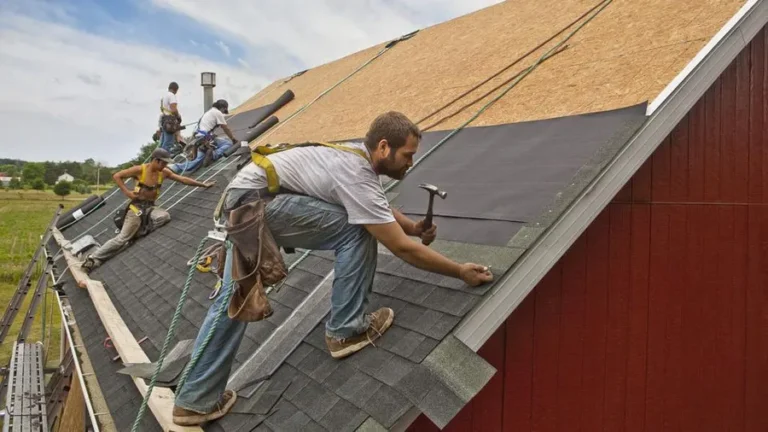
For example, aging windows, deteriorating doors, and damaged exterior components may continue causing problems despite regular upkeep. In such situations, replacing outdated installations can provide a more practical long-term solution.
Some improvements require professional expertise to assess existing conditions, recommend appropriate replacements, and ensure proper installation. Recognizing when existing installations need replacement can help homeowners address recurring problems, prevent further deterioration, and maintain their homes more effectively.
Aging Windows and Doors Affect Everyday Comfort
Windows and doors play an important role in maintaining indoor comfort and protecting a house from outside conditions. As these components age, worn seals, damaged frames, and inefficient glazing can gradually reduce their performance.
Homeowners may notice drafts around closed windows, difficulty opening or closing doors, or condensation between glass panes. These warning signs can indicate deteriorating components that require professional attention.
Older installations may also allow unwanted heat transfer, making it harder to maintain consistent indoor temperatures. Replacing them with properly fitted, energy-efficient alternatives can improve insulation and reduce air leakage.
When these problems become persistent, consulting experienced home improvement professionals can help homeowners identify suitable replacement options. Palmetto Home & Bath specializes in energy-efficient window replacements, entry doors, and patio door installations. Its services also include custom sunroom and patio enclosures designed to create more functional living areas.
Persistent Moisture Problems Require Attention
Moisture-related problems should never be overlooked, particularly when they repeatedly affect the same areas. Water stains, peeling paint, deteriorating finishes, and persistent dampness may indicate underlying issues that ordinary cleaning cannot resolve.
Bathrooms, exterior walls, and areas surrounding windows are especially vulnerable when ventilation, sealing, or drainage is inadequate. Continued moisture exposure can damage building materials and encourage mold growth.
Before beginning renovations, homeowners should identify the source of moisture rather than simply covering visible damage. Professional assessments may reveal leaking installations, inadequate ventilation, or deteriorating seals that require correction.
Once the underlying problem has been addressed, replacing damaged finishes and updating affected features can help restore the area’s condition and reduce the likelihood of recurring deterioration.
Outdated Bathrooms Become Difficult to Maintain
Bathrooms experience frequent exposure to water, humidity, and daily use. Over time, aging fixtures, damaged tiles, deteriorating grout, and inefficient layouts can make these spaces increasingly difficult to maintain.
Recurring plumbing problems, persistent leaks, and damaged surfaces may indicate that isolated repairs are no longer sufficient. In some cases, renovating the bathroom provides an opportunity to address several concerns together.
Modern improvements can include updated showers, practical storage, improved ventilation, and more accessible bathing arrangements. These changes can make everyday routines easier while creating a cleaner and more organized environment.
However, renovation decisions should reflect the bathroom’s actual condition. Professional inspections can help distinguish between minor maintenance needs and problems requiring more substantial work.
Rising Energy Use May Reveal Inefficient Features
Unexpected increases in household energy consumption can sometimes indicate that certain building components are no longer performing efficiently. Older windows, poorly sealed doors, insufficient insulation, and outdated equipment may contribute to unnecessary energy use.
Homeowners should first consider changes in utility rates, household habits, and equipment operation. If consumption remains unusually high, an energy assessment can help identify areas where improvements may be beneficial.
Replacing inefficient windows, addressing air leaks, and improving insulation can help reduce unwanted heat transfer. Modern lighting and properly functioning ventilation systems may also contribute to better energy performance.
The results depend on existing conditions and the improvements completed. Evaluating the causes before renovating helps ensure that upgrades address genuine efficiency concerns.
Limited Space Can Affect Daily Activities
A home that once accommodated a household comfortably may become less practical as circumstances change. Growing families, remote working arrangements, and evolving lifestyles can create new demands for storage, privacy, and usable living space.
Crowded rooms, limited storage, and underused outdoor areas may indicate that the existing arrangement no longer meets household needs. Renovations can help homeowners make better use of available space without necessarily relocating.
Depending on the home’s structure, improvements might involve reorganizing rooms, introducing built-in storage, or creating additional living areas. Enclosed patios and sunrooms can also provide versatile spaces for relaxation, entertaining, or everyday activities.
The most suitable approach depends on the available space, structural requirements, and intended use. Professional planning helps ensure that changes are practical and appropriate for the home.
Visible Deterioration Can Signal Larger Problems
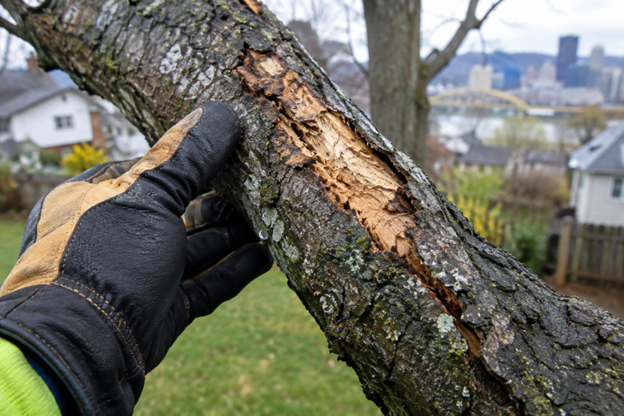
Physical deterioration is another reason homeowners may need to consider renovation. Cracked finishes, damaged flooring, deteriorating exterior components, and worn installations can gradually affect a home’s appearance and condition.
Not every visible defect requires extensive work. However, damage that spreads, returns after repairs, or interferes with normal use deserves closer attention.
Homeowners should distinguish between cosmetic wear and problems involving moisture, structural movement, or failing installations. Qualified professionals can assess the underlying causes and recommend appropriate corrective work.
Addressing deterioration promptly can help prevent additional damage and preserve important household features. Renovations completed for practical reasons can also improve the home’s overall appearance.
Changing Needs Can Make Renovations Necessary
Renovations are not always prompted by visible damage. Sometimes, a home’s existing design simply stops meeting the needs of the people living there.
A growing household may require additional storage or more flexible living arrangements. Older adults might benefit from accessible entrances, safer bathrooms, and features that make everyday movement easier.
Homeowners may also want brighter interiors, better connections to outdoor areas, or more convenient access between frequently used rooms. These changes can make existing spaces more enjoyable without requiring a completely different house.
Before beginning a renovation, it is important to identify which improvements will genuinely support daily activities. Clear priorities and professional guidance can help homeowners make informed decisions about the work required.
Ultimately, understanding when home renovations become necessary involves recognizing the difference between temporary maintenance concerns and problems that affect long-term comfort, safety, and functionality. By addressing aging features, recurring damage, and changing household requirements, homeowners can maintain a more practical and comfortable living environment for years to come.