
What Most Homeowners Miss Before Starting a Concrete Project
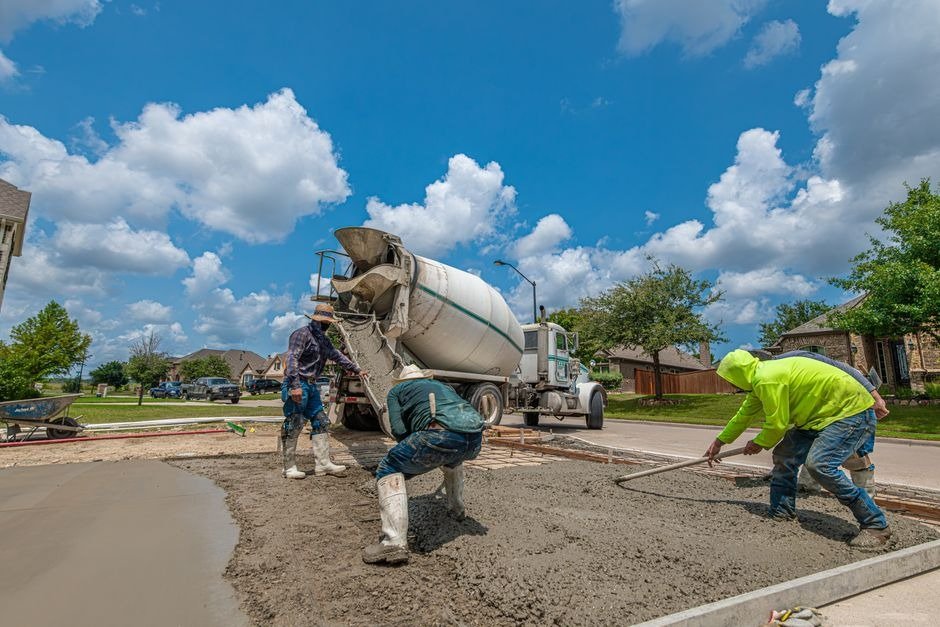
If you’re planning a concrete project, the early decisions matter more than most people expect. A driveway, patio, slab, or walkway can look simple from the street, yet the job involves grading, drainage, reinforcement, curing, and long-term wear. In Monroe, Georgia, local soil movement, summer heat, and heavy rain can affect how concrete performs over time. You need more than a quick quote. You need to know what separates a durable installation from an expensive redo.
Not All Concrete Mixes Are Built for the Same Job
A patio and a driveway may look similar once cured, but they don’t carry the same load. That affects mix design, thickness, reinforcement, and finishing method. If a contractor uses a one-size-fits-all approach, you’re taking on avoidable risk.
Driveways usually need a stronger PSI rating and deeper section than pedestrian paths. If vehicles will park on the slab regularly, reinforcement choices matter too. Depending on the project, that might involve rebar, wire mesh, or fiber additives.
You don’t need to memorize every technical spec, but you should ask what mix is being poured and why it suits your use case. Reliable concrete contractors in Monroe GA should be able to explain the difference clearly, without vague answers or sales language replacing actual job details.
Start With the Ground, Not the Surface
When you picture a new concrete slab, you probably imagine the finished top: smooth, level, clean edges. Contractors think about the subgrade first. That’s where many projects either hold up for years or start cracking early.
If the base isn’t compacted properly, the concrete may settle unevenly. In places with clay-heavy soil, moisture swings can make the ground expand and shrink. That creates stress under driveways, sidewalks, and patios.
You should ask how excavation will be handled, what aggregate base will be used, and whether compaction equipment is part of the plan. A professional crew won’t treat prep work like a minor detail. They’ll know that a slab is only as stable as the material under it.
Drainage Problems Usually Show Up After the Crew Leaves
Concrete often gets judged on appearance during the first week. The real test comes months later, especially after a few strong storms. Water pooling near the foundation, runoff flowing toward the garage, or low spots collecting rain can turn a neat project into a maintenance issue.
A good layout includes pitch and elevation control. Even a small driveway apron or backyard pad needs proper fall so water moves away instead of sitting on the surface. You don’t want standing water weakening the base, staining the slab, or creating slippery areas.
Before work begins, ask where water will go during heavy rain. That question tells you a lot about a contractor’s field experience. Drainage planning isn’t a bonus feature. It’s a core part of functional concrete work.
Finishing Choices Affect Safety, Maintenance, and Cost
Most homeowners focus on color and shape, then treat finish as a cosmetic add-on. Finish type has practical consequences. A broom finish gives traction and tends to work well for walkways and driveways. A slick troweled finish may look sharp, though it can become slippery when wet.
Decorative options such as stamped concrete or stained surfaces can add visual appeal, but they also require more attention to sealing and maintenance. If you’re choosing a finish for a pool deck, outdoor kitchen zone, or shaded patio, slip resistance should stay high on the priority list.
You should also ask how control joints will be placed. They don’t prevent every crack, but they help manage where cracking happens. That keeps the slab looking more intentional and less chaotic over time.
Timing Matters More Than Most People Expect
Concrete work is weather-sensitive in ways that surprise first-time clients. In Georgia, heat can speed up moisture loss during placement and curing. Rain can interrupt a pour, damage the surface, or compromise finishing if timing is off. Cold snaps create a different set of curing problems.
That means scheduling isn’t just about when you’re available. It’s about when site conditions support quality work. Good contractors watch the forecast, monitor temperatures, and build curing time into the project timeline.
You should ask how long the slab needs before foot traffic, furniture placement, or vehicle use. If someone promises unrealistic turnaround times, treat that as a warning sign. Concrete gains strength over time. Rushing the process often shows up later as surface wear, scaling, or premature cracking.
Cheap Bids Often Leave Out the Most Important Work
A low estimate can look attractive, especially when several quotes seem to describe the same job. They often don’t. One bid may include demolition, haul-off, grading, reinforcement, and cleanup. Another may leave some of that out and only mention the pour.
This is where homeowners get trapped by incomplete scope. If you compare numbers without comparing line items, you may not notice what’s missing until the project is underway. Then come the change orders, delays, or finish quality issues.
Ask for a written breakdown. You want clarity on thickness, base prep, reinforcement, jointing, drainage handling, and sealing if applicable. A serious contractor won’t be irritated by these questions. Clear scope protects both sides and gives you a much better sense of the real value behind the price.
The Best Contractor Conversations Sound Specific, Not Polished
You can learn a lot from the first phone call or site visit. Strong contractors usually talk in specifics: slope, access, curing windows, soil conditions, truck clearance, edge forms, and expected wear patterns. Weak ones lean on broad promises and avoid direct answers.
Pay attention to how they handle practical concerns. If your backyard has limited equipment access, they should explain labor implications. If tree roots or old concrete removal may affect the schedule, they should mention it before the contract stage.
It also helps to ask what can realistically go wrong. Experienced crews know every project has variables. Straight answers about site limits, weather delays, or drainage constraints usually signal professionalism. You’re not looking for perfection. You’re looking for competence, planning, and honesty.
A Concrete Project Should Solve Problems, Not Just Add a Feature
The smartest concrete upgrades do more than fill empty space. They improve how you use the property day to day. A wider driveway can make parking easier. A better patio layout can support grilling, seating, and foot traffic without turning the yard into a muddy mess. A walkway can reduce erosion in high-use areas.
That’s the mindset worth keeping as you plan. You’re not only buying a surface. You’re investing in load performance, water control, usability, and curb appeal that lasts.
If you approach the job with the right questions, you’ll spot the difference between a crew that simply pours concrete and one that builds with long-term performance in mind. That difference usually determines whether the project still looks solid years from now or starts asking for repairs much sooner than you expected.