How Florida’s Heat and Humidity Expose Weaknesses in Your AC
Florida heat doesn’t just make your rooms uncomfortable; it pushes your air conditioner into conditions that expose every weak point in the system. In Pinellas Park, long cooling seasons, heavy humidity, and sudden temperature jumps create a rough operating environment for compressors, coils, and airflow components. If you want fewer breakdowns and lower energy waste, it helps to understand what your AC is dealing with before small performance issues turn into expensive repairs.
Heat spikes don’t damage your AC all at once
Most air conditioners don’t fail in one dramatic moment. They decline in stages. During a heat spike, your system may run longer cycles, struggle to pull humidity out of the air, and lose efficiency even if it still technically cools the house. That extra runtime increases wear on the capacitor, blower motor, contactor, and compressor.
In a place like Pinellas Park, that matters because your system rarely gets a long off-season to recover. Dust buildup on condenser coils, restricted return airflow, or low refrigerant can go unnoticed for weeks until outdoor temperatures surge. Then the unit starts short cycling, blowing warmer air, or freezing at the evaporator coil. Those symptoms often look random from the homeowner side, but they usually reflect stress that has been building quietly inside the equipment.
Humidity changes the whole cooling equation
You’re not only asking your AC to lower temperature. You’re also asking it to manage latent heat, which is the moisture load hanging in indoor air. When humidity stays high, your system has to work harder to keep the house comfortable, even when the thermostat setting hasn’t changed.
That’s one reason two homes at 74 degrees can feel completely different. If one house has poor duct sealing, dirty coils, or weak airflow across the evaporator, humidity removal drops and the space feels sticky. Occupants often respond by lowering the thermostat even more, which adds runtime without fixing the underlying issue.
This is where professional diagnostics matter. If you’re dealing with uneven cooling, moisture issues, or a unit that can’t keep up during summer peaks, looking into AC repair in Pinellas Park makes sense because the problem may involve more than simple temperature control.
Airflow problems often look like refrigerant problems
A lot of homeowners assume weak cooling means the unit just needs refrigerant. Sometimes that’s true, but airflow restrictions can create almost the same symptoms. A clogged filter, blocked return grille, dirty evaporator coil, or leaking ductwork can reduce heat transfer and make the system appear undercharged.
That misread leads to wasted time and bad repair decisions. In HVAC service, airflow and refrigerant charge have to be evaluated together. Static pressure, temperature split, superheat, and subcooling all help reveal what’s actually happening.
A practical example: if one bedroom is always warmer than the rest of the house, the issue may not be refrigerant at all. It could be a branch duct balancing problem, crushed flex duct in the attic, or insufficient return air. Those aren’t flashy failures, but they can seriously drag down comfort and system efficiency.
Your thermostat may be telling only part of the story
The thermostat acts like the brain of the system, but it doesn’t always see the full comfort picture. If it’s installed in a hallway with decent airflow, it may satisfy quickly while other rooms remain hot. If it’s near a supply register, sunlight, or a drafty spot, it can misread indoor conditions and trigger poor cycling behavior.
That matters more during heat spikes because temperature imbalances become harder to ignore. You might notice the unit running nonstop in late afternoon, then shutting off before back rooms ever cool down. In many homes, the issue connects to zoning limitations, duct layout, insulation gaps, or attic heat gain rather than the thermostat alone.
Smart thermostats can help with scheduling and system awareness, but they can’t fix mechanical or airflow defects. If indoor comfort keeps slipping despite new thermostat settings, the system needs a real performance check instead of more guesswork.
Delayed maintenance gets expensive fast in long cooling seasons
Skipping maintenance rarely feels urgent when the AC still turns on. The trouble starts when a minor issue compounds under heavy summer demand. A worn capacitor can push stress onto the compressor. Dirty condenser coils can raise head pressure. Loose electrical connections can create intermittent shutdowns that are hard to trace until the hottest week of the year.
Florida systems often operate for so many months that small inefficiencies have more time to turn into larger failures. What looks like a manageable issue in spring can become a no-cooling call in July.
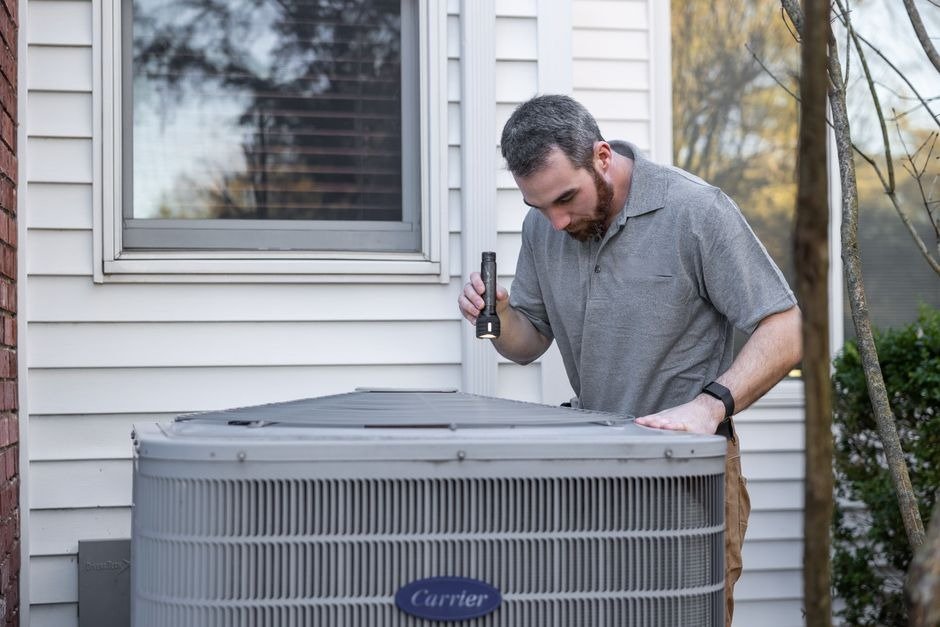
You don’t need an elaborate maintenance plan to lower risk. Replace filters on schedule, keep the outdoor unit clear of debris, watch for new noises, and pay attention to longer cooling cycles or rising humidity indoors. Those are field-level clues that something in the system is drifting out of spec.
Repair versus replacement depends on more than age
People often ask whether an older unit is worth repairing, but age alone isn’t enough to make the call. A ten-year-old system with solid airflow, a healthy compressor, and repairable electrical issues may have years left. A newer system with chronic installation defects, oversized equipment, or repeated refrigerant leaks may keep draining money.
A better decision comes from looking at repair frequency, seasonal performance, humidity control, utility costs, refrigerant type, and the condition of the duct system. If the unit cools unevenly, runs excessively, and needs one repair after another, replacement may offer better long-term value. If the issue is isolated and the system is otherwise sound, repair is usually the smarter move.
What matters most is accurate diagnosis. You want to know whether you’re dealing with a fixable component failure or a larger system design problem that keeps recreating the same comfort issues.
Better cooling starts with paying attention before failure
The biggest mistake many homeowners make is waiting for complete failure before taking action. By then, you’re scheduling under pressure, choosing repairs in extreme heat, and competing for service during the busiest part of the season. A struggling AC usually gives warnings first: weaker airflow, higher humidity, hot spots, odd sounds, or longer runtimes.
If you catch those signs early, you have more control over cost, timing, and repair options. You also reduce the chance of collateral damage to major components. In a climate like Pinellas Park, where cooling demand stays intense for much of the year, that kind of attention can stretch equipment life and improve day-to-day comfort.
Your AC doesn’t need to be perfect to work well. It does need clean airflow, stable electrical performance, proper charge, and realistic maintenance. Once those basics are handled, the system has a much better chance of surviving Florida heat spikes without breaking down when you need it most.