How a New Roof Changes the Value, Safety, and Saleability of Your Home
If you own a home in Overland Park, your roof does more than keep rain out. It affects resale value, insurance conversations, energy performance, and how buyers judge your property before they even step inside. In a market where condition matters as much as square footage, roofing decisions carry more weight than many homeowners expect. You need the full picture before repair costs turn into bigger structural and financial problems.
Storm exposure in Kansas turns minor roof damage into major expense fast
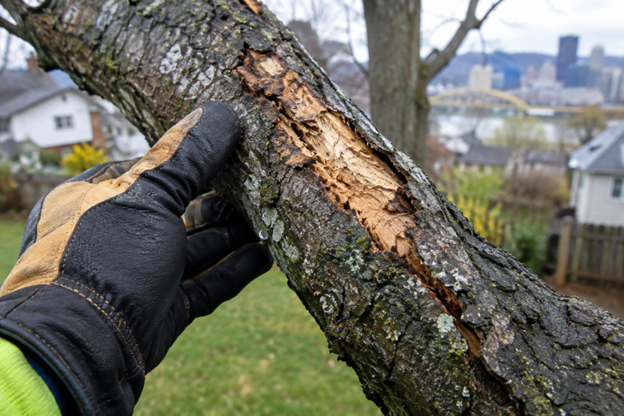
Kansas weather does not give roofs much room for error. High winds, hail, rapid temperature swings, and heavy rain can exploit weaknesses that seem small at first. A missing shingle or compromised flashing detail can lead to moisture intrusion long before you spot a ceiling stain.
That risk grows around roof penetrations, valleys, and chimney intersections, where water management depends on precise installation. Once water gets past the roof deck, you may be dealing with wet insulation, mold growth, rotted sheathing, and drywall damage.
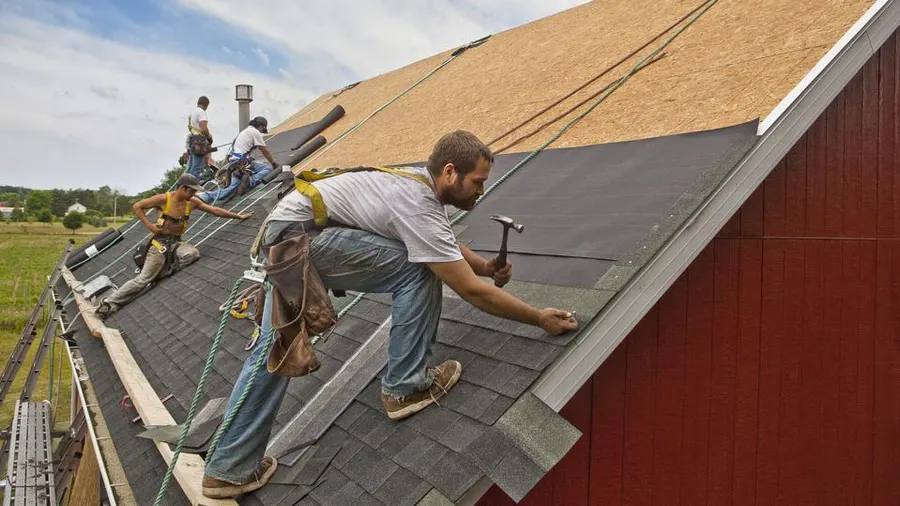
For homeowners trying to protect property value, quick action matters. Working with an Overland Park roofing company can help you assess storm impact, identify compromised components, and decide whether repair or replacement makes more financial sense based on the roof’s age and condition.
Your roof shapes first impressions before buyers see anything else
When someone pulls up to your house, the roof is one of the first major surfaces they notice. Stained shingles, curling edges, bare patches, and visible sagging make the whole property feel neglected, even if the interior is updated.
That reaction matters in real estate. Buyers often assume a worn roof signals deferred maintenance in other systems too, including HVAC, gutters, insulation, and even plumbing. Appraisers notice the same thing during exterior review.
In Overland Park, where neighborhoods often feature well-kept homes and strong curb appeal, a visibly aging roof can make your property stand out for the wrong reason. A clean, properly installed roofing system gives your home a sharper profile and helps support stronger listing photos, better showing feedback, and fewer objections during negotiation.
Insurance claims are easier when your roof history is clear and current
Roofing problems often get more complicated when paperwork is messy. If storm damage leads to an insurance claim, adjusters usually want a clear timeline: the age of the roof, prior repairs, maintenance records, and whether damage came from a covered event or long-term wear.
You put yourself in a stronger position when inspections are documented and issues are handled promptly. Photos, contractor notes, material information, and invoices can all help support your case if a dispute comes up.
Insurers also pay attention to roof condition when underwriting or renewing policies. An older roof with visible deterioration may lead to higher premiums, restricted coverage, or pressure to replace the system within a set timeframe.
If you plan to sell in the next few years, that insurance angle matters twice. Your own policy can be affected now, and a buyer’s insurer may create roadblocks later if the roof looks close to failure.
A replacement can improve more than looks if the system is built correctly
Many homeowners think of a new roof as a cosmetic upgrade, but the real value comes from system performance. Shingles are only one layer. Underlayment, ventilation, flashing, ice and water barriers, drip edge, and ridge components all affect how the assembly handles heat, moisture, and wind uplift.
A well-built roofing system can help reduce thermal gain in summer, support attic airflow, and limit the moisture imbalance that shortens material life. Those technical details are not flashy, though they often determine whether your roof lasts as expected.
This becomes especially relevant in homes with older decking, poor intake ventilation, or previous patchwork repairs. A replacement done to current standards may solve recurring issues that surface-level repairs keep missing.
If you’re evaluating ROI, think beyond resale. You’re also reducing the odds of emergency interior repairs, claim delays, and buyer concessions later.
Buyers and inspectors read roof age as a shortcut for future cost
Most buyers are not roofing experts, so they rely on visible clues and inspection reports. If the report mentions brittle shingles, granule loss, soft decking, exposed fasteners, or questionable flashing, the buyer starts estimating future costs immediately.
That estimate often gets inflated. A buyer who hears “roof nearing end of life” may assume other hidden defects exist too. You then face requests for credits, price reductions, or full replacement before closing.
Even when the rest of the house is solid, the roof becomes the headline issue. It can shift the tone of the entire transaction from excitement to caution.
If your roof is aging but not failing, a pre-listing inspection can be useful. It gives you a realistic condition report before a buyer uses one against you. In some cases, a targeted repair and professional documentation can preserve negotiating power better than waiting for the problem to come up during escrow.
Timing your roofing decision can protect both budget and market leverage
Waiting until active leaks appear usually costs more. Emergency work tends to come with rushed scheduling, interior damage, and fewer options for comparing materials or planning around weather. You lose control of the process right when the stakes are highest.
A planned roofing project lets you evaluate product lines, warranty terms, ventilation improvements, and contractor scope in a more disciplined way. You can also coordinate the timing with a refinance, a sale, or other exterior work like gutters, fascia, or paint.
For real estate strategy, timing matters. Replacing a roof a few months before listing can strengthen marketing, ease inspection concerns, and support value perception. Replacing it too early without addressing related drainage or ventilation issues can leave performance gains on the table.
The best move is usually based on condition, not panic. A roof should be treated like a major asset with a service life curve, not a background feature you deal with only after visible failure.
Smart homeowners treat roofing as part of property strategy, not just repair
A roof affects how your home photographs, appraises, insures, performs, and sells. That makes it a property strategy decision, not just a maintenance line item. When you ignore early warning signs, the consequences can spread into multiple parts of homeownership at once.
If you live in Overland Park, local weather patterns and buyer expectations raise the importance of staying ahead of roofing issues. You do not need to obsess over every shingle, though you do need a realistic sense of condition, lifespan, and risk.
A good next step is simple: get the roof evaluated before you are forced into a high-pressure decision. Whether you stay put for years or plan to list soon, a sound roof gives you stronger footing in almost every conversation that follows.