Deadpool PFP: Aesthetic, Funny, Marvel Rivals, 4k, Anime, Marvel
A profile picture is the first thing anyone reads about you before you’ve typed a single word, and few Marvel characters translate into that tiny circle as efficiently as Deadpool. His red-and-black mask was built for visual shorthand from the start bold enough to survive a 40-pixel crop, expressive enough to carry attitude with zero facial detail underneath it. That’s not an accident of costume design; it’s why the character has outlived three different eras of internet avatar culture without losing legibility.
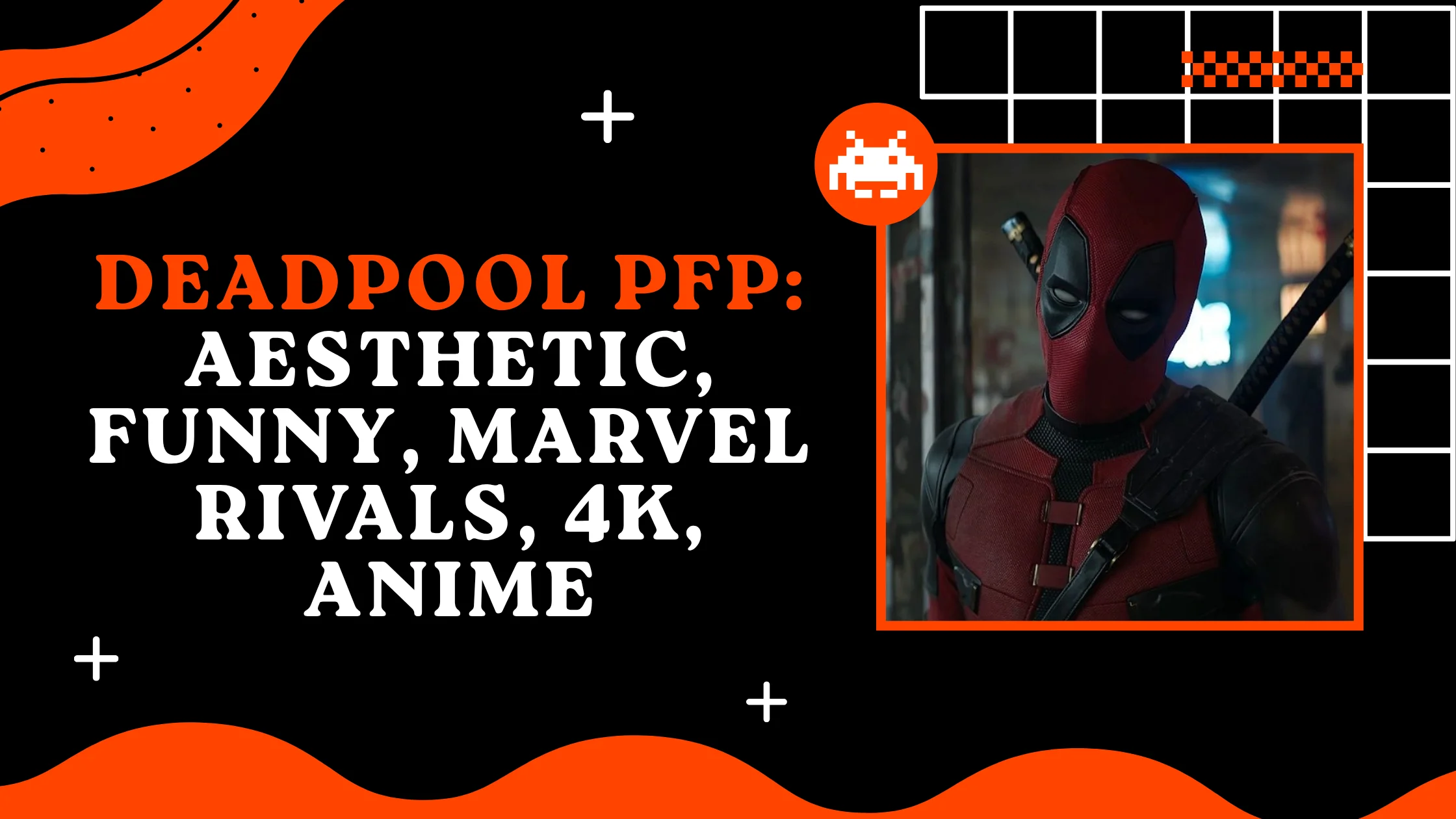
What makes a Deadpool PFP specifically work, rather than just “a Marvel PFP,” is that the character has never settled on one canonical look the way, say, Spider-Man has. Between the original comic costume, Ryan Reynolds’ film version, the grey X-Force stealth suit that just resurfaced at Comic-Con, and his current life as a playable hero in Marvel Rivals, there’s a genuinely wide range of source material and each version signals something slightly different about the person using it. This guide breaks those down individually instead of treating “Deadpool” as one interchangeable image.
Classic Comic Deadpool PFP
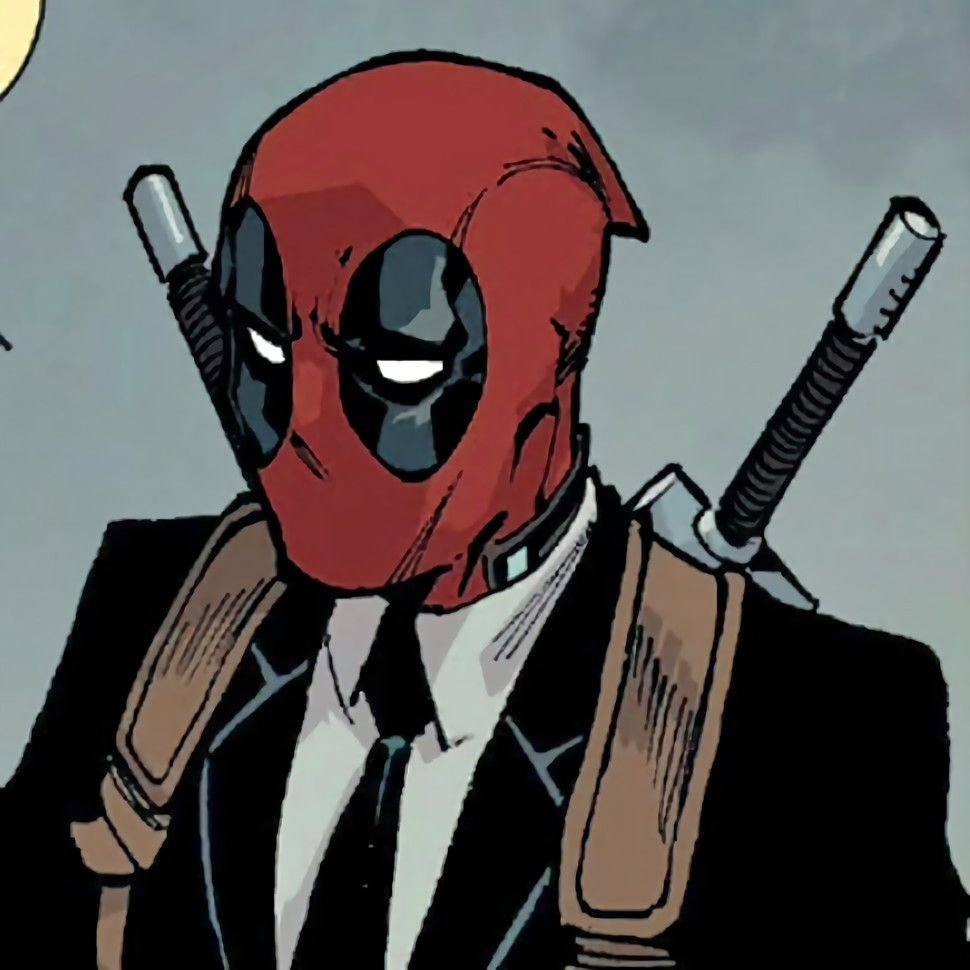
Deadpool’s original design comes from The New Mutants #98 (cover-dated February 1991), created by artist Rob Liefeld and writer Fabian Nicieza. Liefeld built the visual openly modeled on DC’s Deathstroke while Nicieza gave the character his name (Wade Wilson, a wink at Slade Wilson) and the wisecracking voice that later defined him.
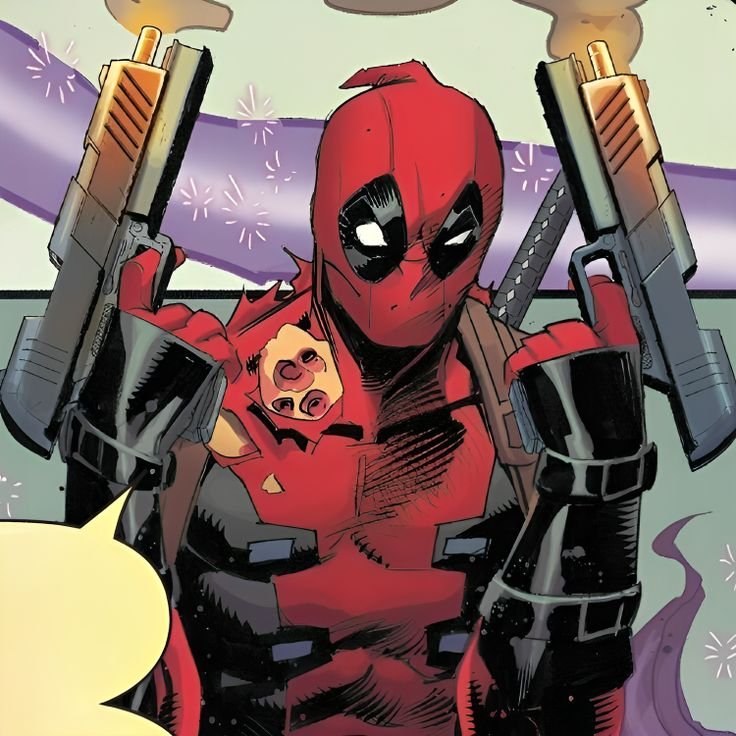
Comic-accurate PFPs lean on the character’s original mercenary framing: sharper linework, higher-contrast reds, and pouches, holsters, and katana hilts crowding the panel edges. Because Deadpool started as a New Mutants/X-Force antagonist rather than a hero, early-era art tends to read colder and more menacing than the wisecracking version most people picture today.
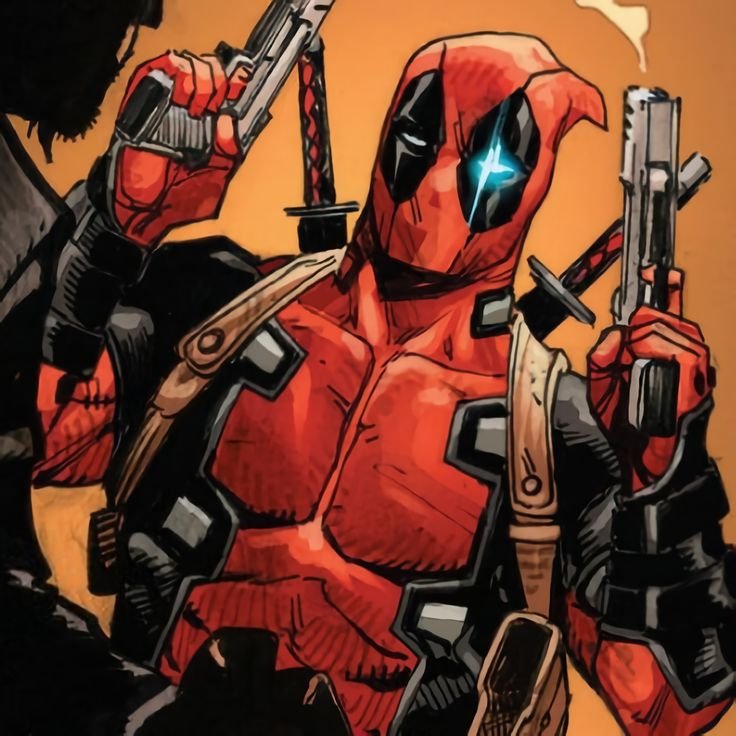
This look works best for people who want their profile to signal “reader,” not just “fan of the movies” it’s the version that references Joe Madureira’s Circle Chase pencils or the Nicieza-written miniseries rather than any screen adaptation, and it reads as more deliberate to anyone who actually knows the character’s print history.
Movie Deadpool PFP
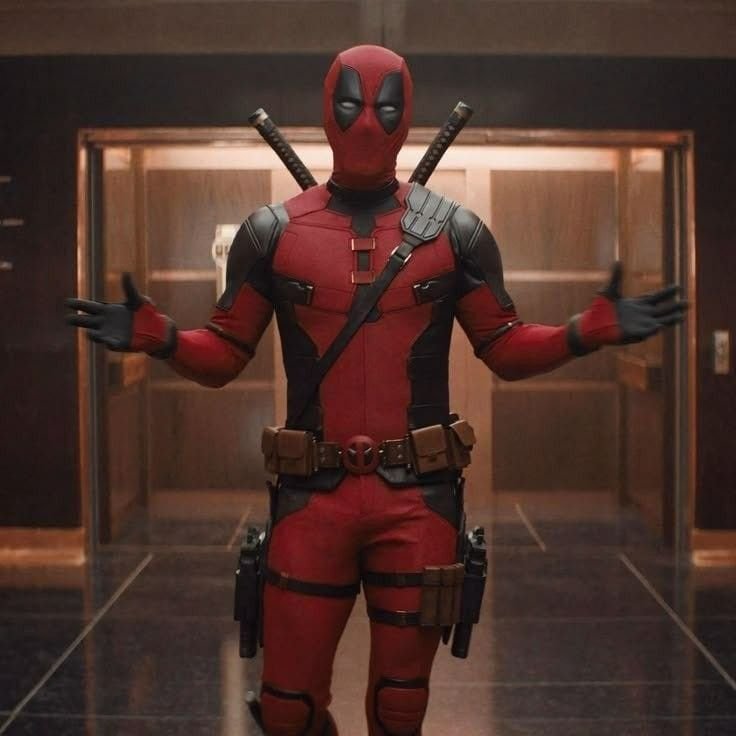
Ryan Reynolds’ live-action version, introduced in Tim Miller’s 2016 Deadpool and continued through Deadpool 2 (2018) and Deadpool & Wolverine (2024), is the version most casual fans actually recognize first. It kept the comic’s red-and-black palette but softened the proportions into something closer to Reynolds’ own build, and it’s the version tied to the character’s biggest pop-culture spike Deadpool remains one of the highest-grossing R-rated films ever made.
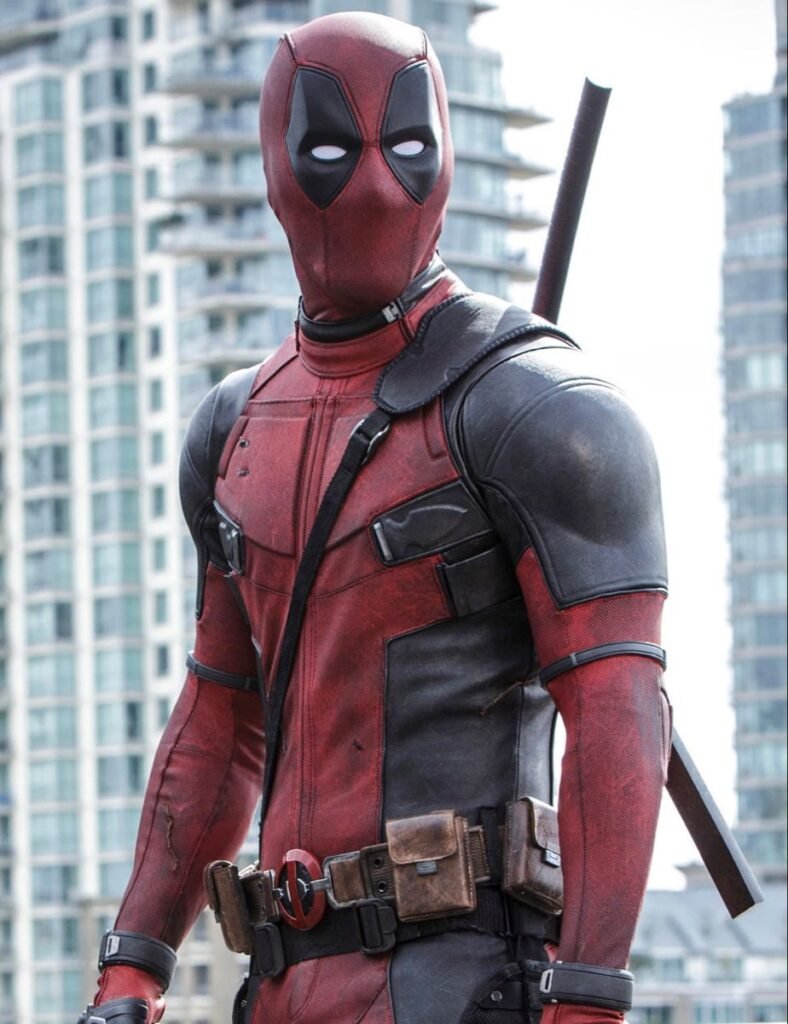
Screenshots and promotional stills from the trilogy make strong PFPs because the lighting is already cinematic: high-contrast studio shots, motion-blurred fight stills, and the now-famous fourth-wall-breaking direct-to-camera stares translate cleanly into a circular crop.
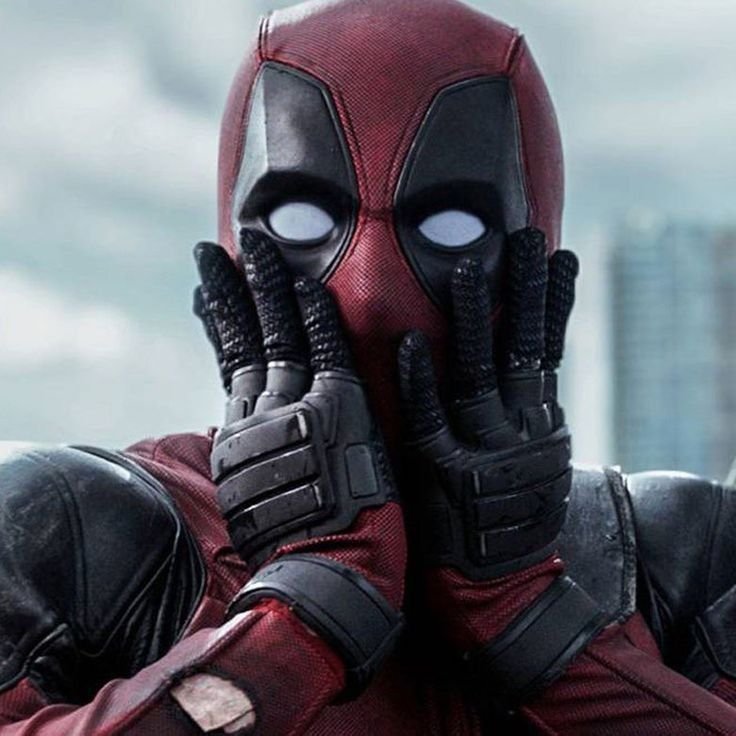
Deadpool & Wolverine specifically widened this pool of material the buddy dynamic with Hugh Jackman’s Wolverine gave fans matching-pair PFP material (Deadpool for one half of a duo, Wolverine for the other) that didn’t exist in the same way before 2024.
X-Force Grey Suit (“Jeanpool”) Deadpool PFP
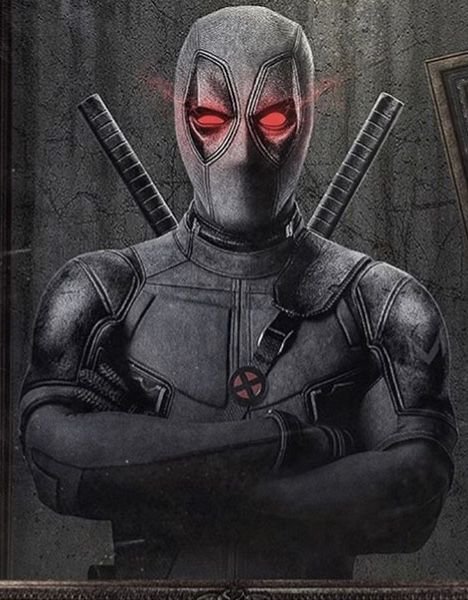
This is the version most Deadpool PFP roundups are currently missing, and it’s arguably the most timely one available. In the comics, Deadpool swapped his red for a black-and-grey stealth palette after joining Wolverine’s covert X-Force team in Wolverine: The Road to Hell #1 (2010) a costume built for a black-ops unit that didn’t want to be spotted from across a rooftop.
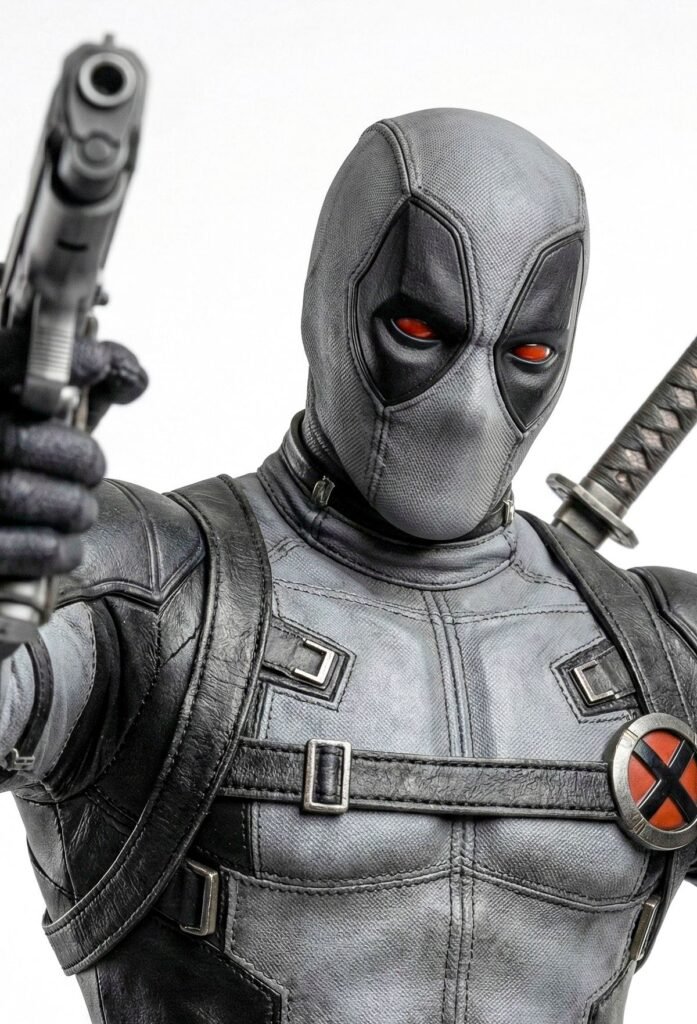
That grey suit resurfaced in live action at San Diego Comic-Con 2026, when Reynolds crashed Marvel’s Hall H panel in a denim-leather grey version nicknamed “Jeanpool” Canadian flag patch, brown utility pouches, gold accents widely read as a tease for his Avengers: Doomsday appearance alongside Wolverine.
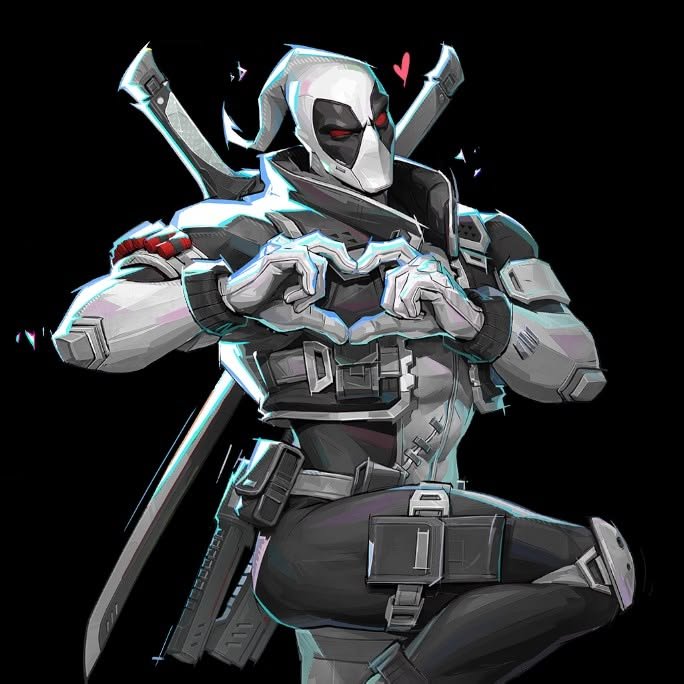
If there’s one genuinely underrated pick in this whole list, it’s this suit. Everyone defaults to the red mask, but the grey X-Force look is fresher, less oversaturated on Pinterest boards, and instantly signals “I follow this closely” rather than “I searched Deadpool PFP.” For anyone who wants a profile picture that doesn’t look identical to a thousand other Discord servers, this is the one worth screenshotting first.
Marvel Rivals Deadpool PFP
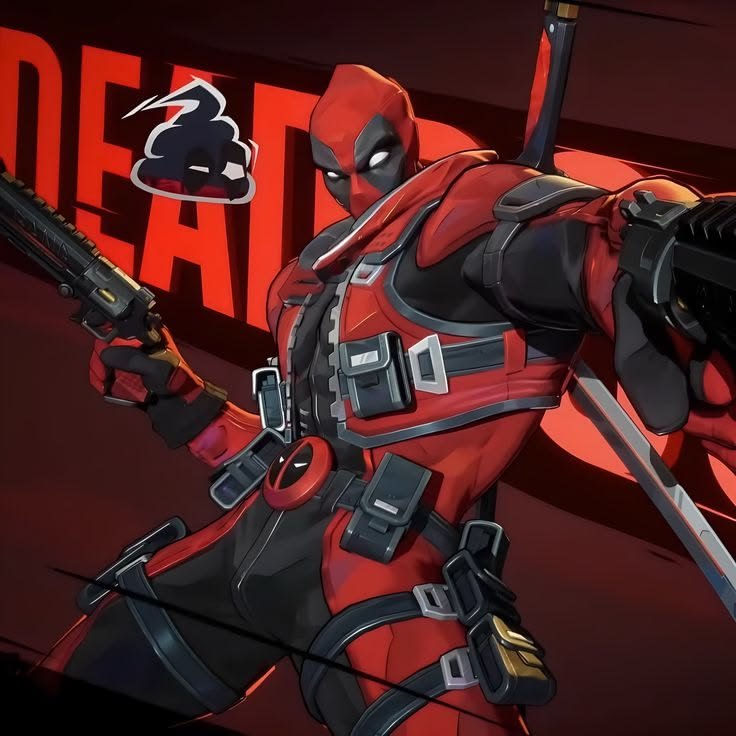
Deadpool is a playable Duelist-class hero in Marvel Rivals, NetEase’s team-based hero shooter, and his in-game model has become its own PFP subculture separate from comics or film. The appeal here is different: gamer-tag energy over cinematic polish, paired naturally with ranked banners, competitive overlays, and squad branding rather than aesthetic mood boards.
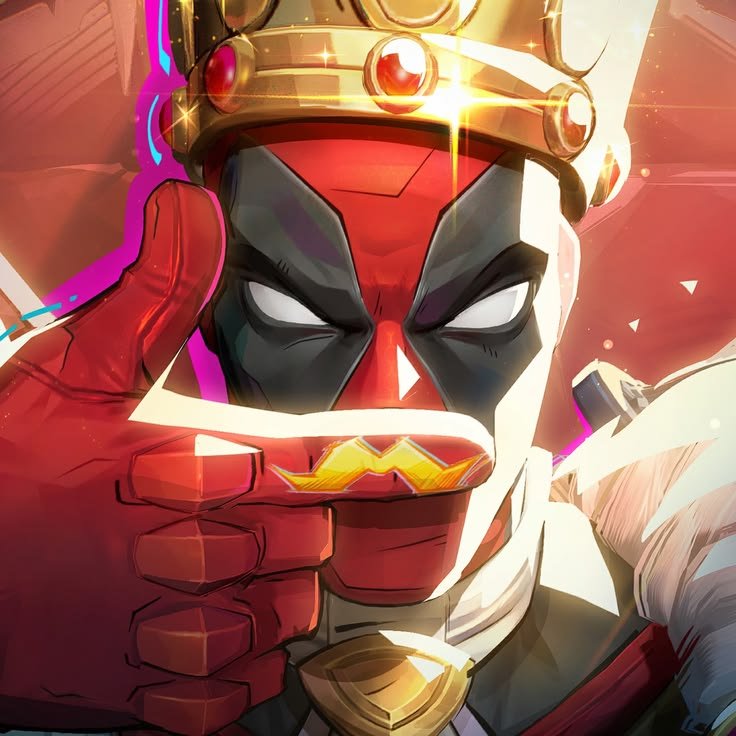
Seasonal content compounds this. Marvel Rivals runs recurring themed updates its Winter Celebration patches have dressed out characters like Groot, Rocket Raccoon, and Venom in holiday cosmetics and fan communities have run with the idea, editing Deadpool’s in-game model into Santa-hat, snow-textured Christmas versions even where no official skin exists yet. That fan-made “Marvel Rivals Christmas Deadpool” search pattern is currently trending on TikTok specifically, distinct from generic Christmas PFP demand.
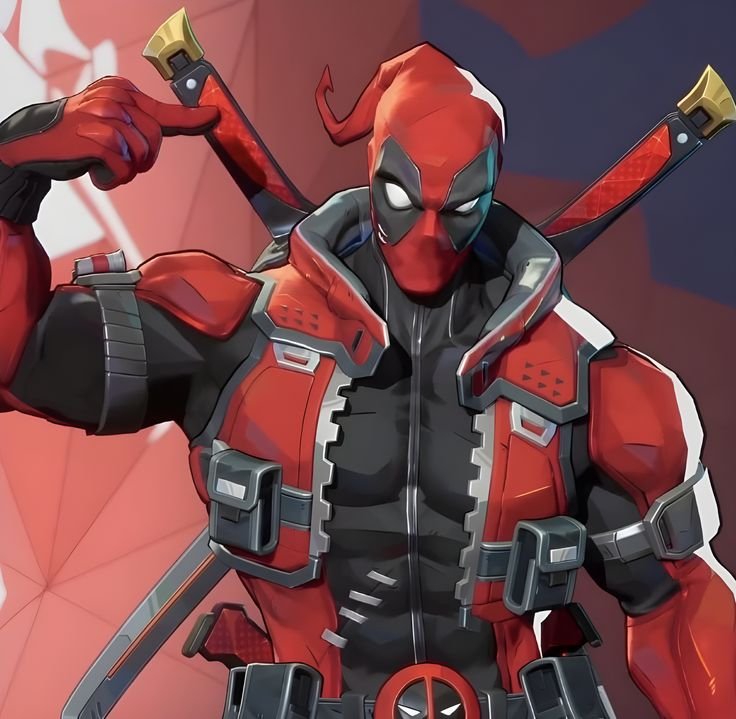
Because the game skin roster changes every season, this category ages faster than any other on this list it’s worth checking current in-game cosmetics before committing to one, since a “new” Deadpool skin drops with real regularity.
Deadpool Aesthetic PFP
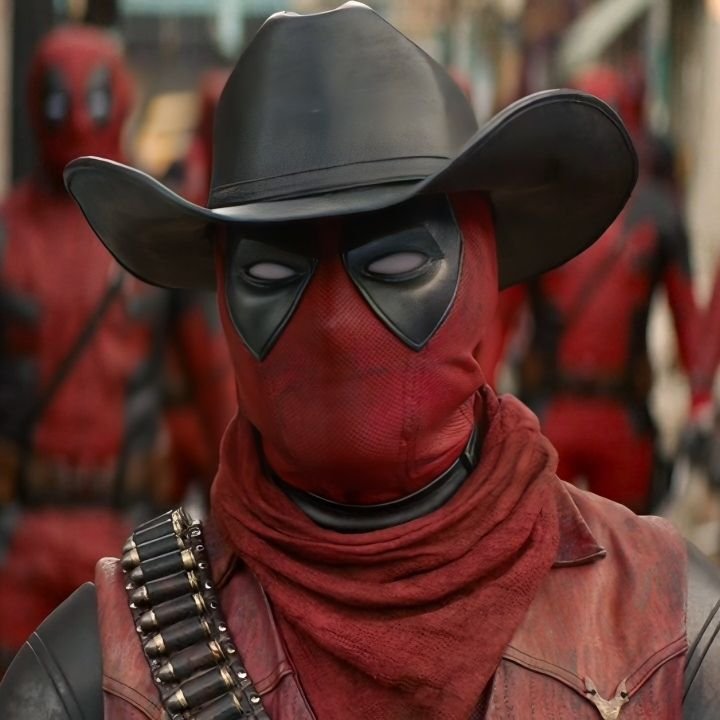
An aesthetic Deadpool PFP isn’t about picking a pretty screenshot it’s about controlling contrast until the mask reads instantly even at avatar size. That usually means desaturating the background, keeping the red suit as the only saturated color in frame, and centering the mask so its black eye-shapes sit dead-center in the circular crop most platforms apply.
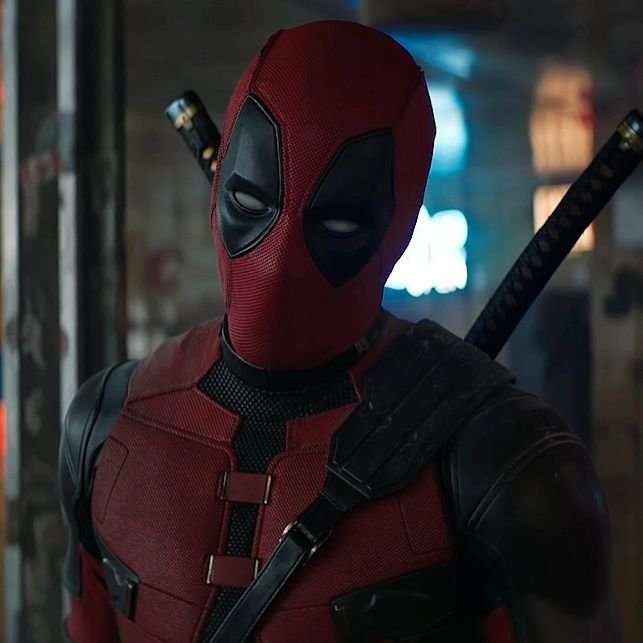
Lighting choices split into two camps: hard studio rim-lighting that makes the red look almost lacquered, or moody single-source lighting that pushes half the mask into shadow for a more brooding read. Both are “aesthetic” in the current sense, but they signal different things polished versus unhinged.
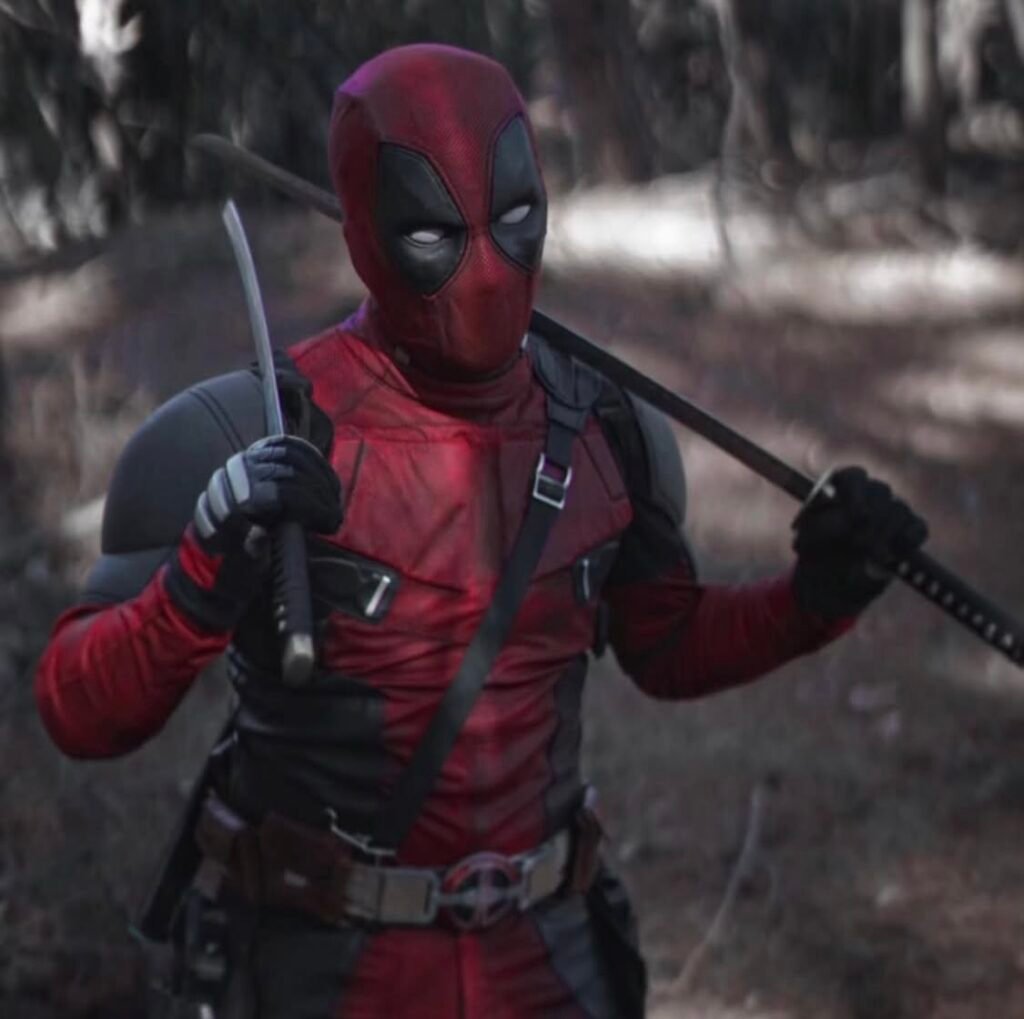
Because Deadpool is inherently a loud character, the aesthetic category works best when it fights that instinct a little: negative space, a plain dark backdrop, minimal background clutter. The tension between a chaotic character and a controlled composition is what makes these avatars stand out rather than just look like a cropped poster.
Cool Deadpool PFP
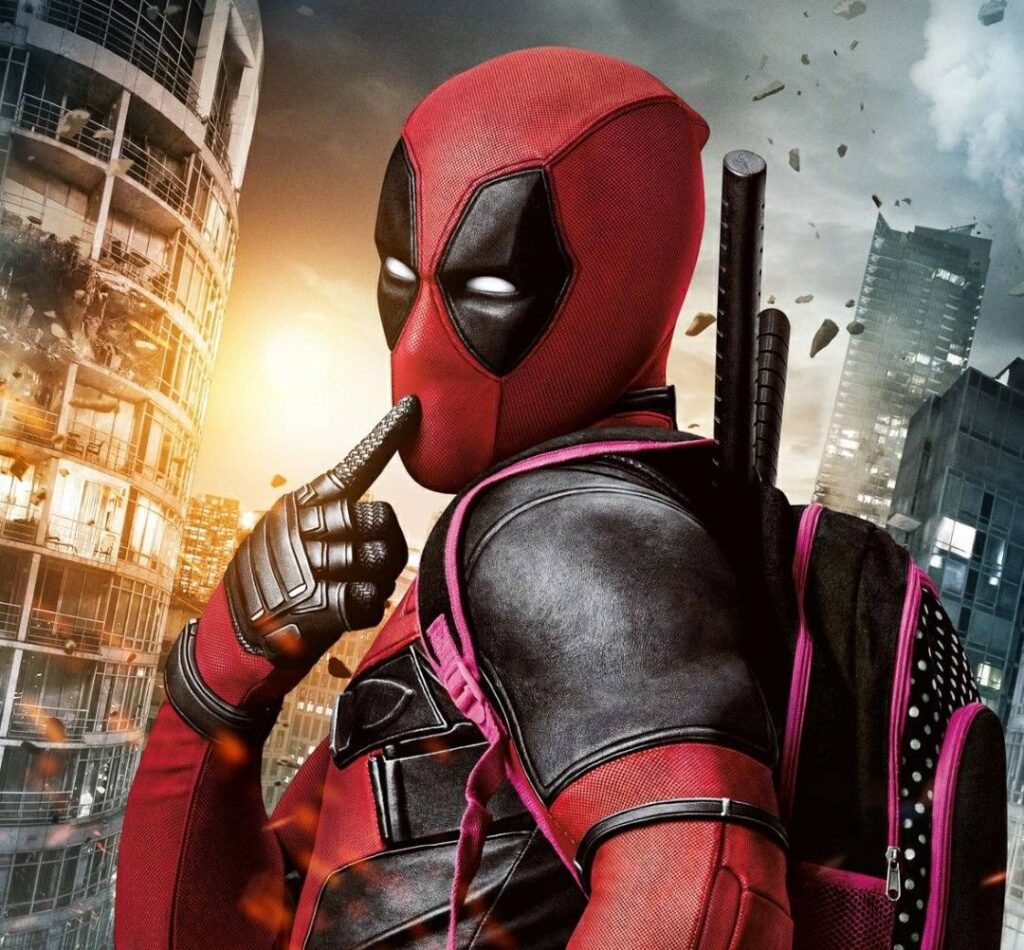
“Cool” Deadpool material leans into pose and weapon staging rather than color theory mid-swing katana shots, gun-akimbo stances, or the character mid-quip with a raised eyebrow visible through the mask’s expressive eye-shapes (a detail specific to Deadpool’s design that most masked characters don’t have).
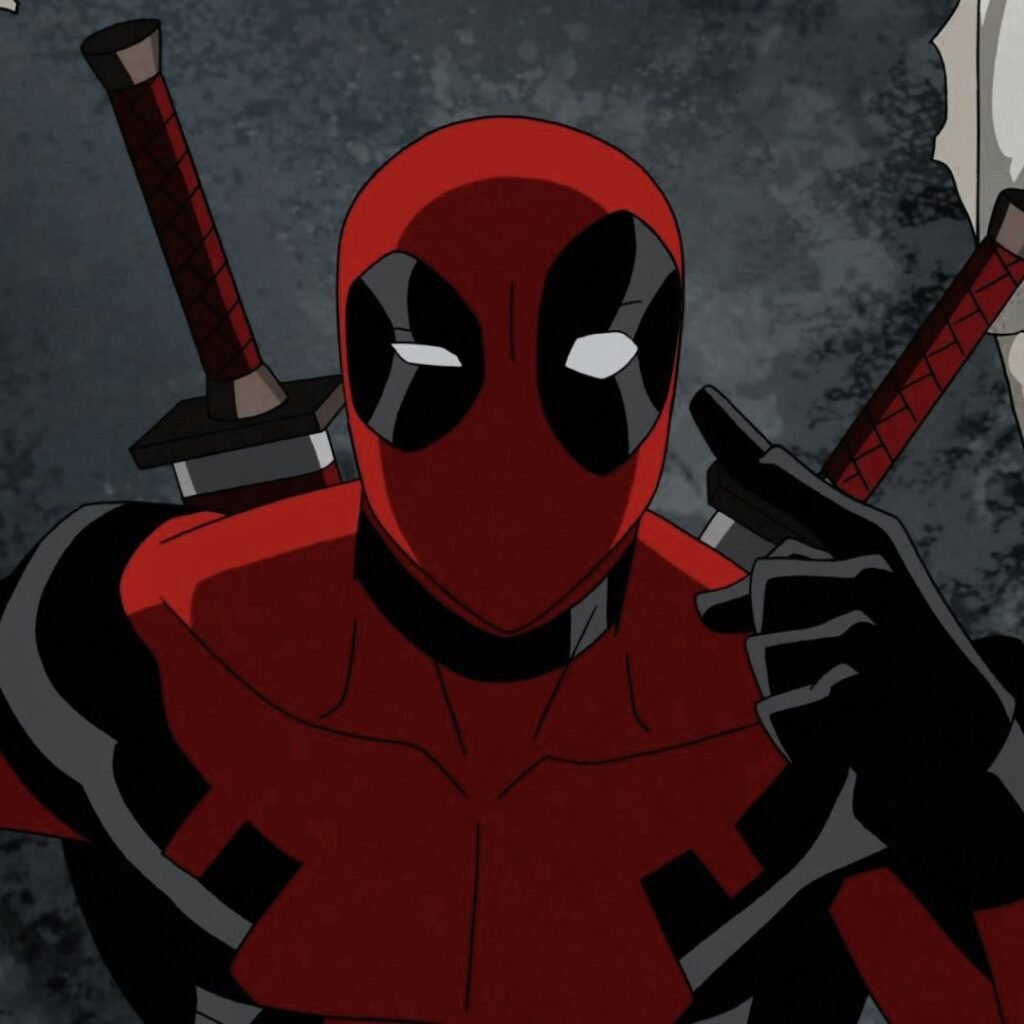
Dynamic angles do more work here than lighting. A three-quarter shot with a katana crossing the frame reads as “cool” in a way a flat front-facing portrait doesn’t, and slight motion blur on a weapon or cape-equivalent (his belt straps, harness pouches) sells kinetic energy even in a still image.
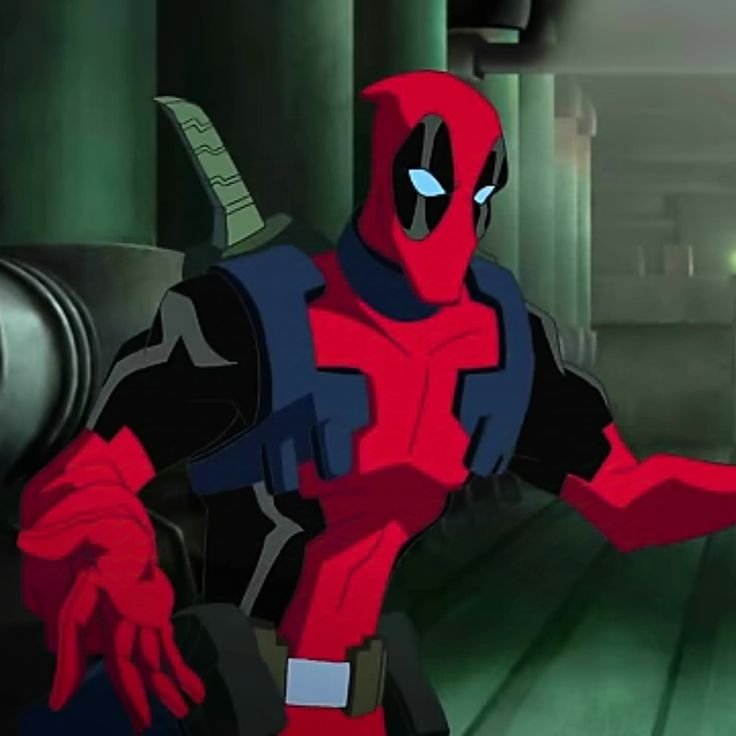
This category also absorbs a lot of the character’s trademark irreverence a mid-action pose paired with a sarcastic thought-bubble caption or meme-adjacent text overlay is common here, blending “cool” with the humor that’s core to the character rather than treating the two as separate moods.
“Fans of gritty, rule-breaking antiheroes may also like our Punisher PFP collection.”
Cute Deadpool PFP
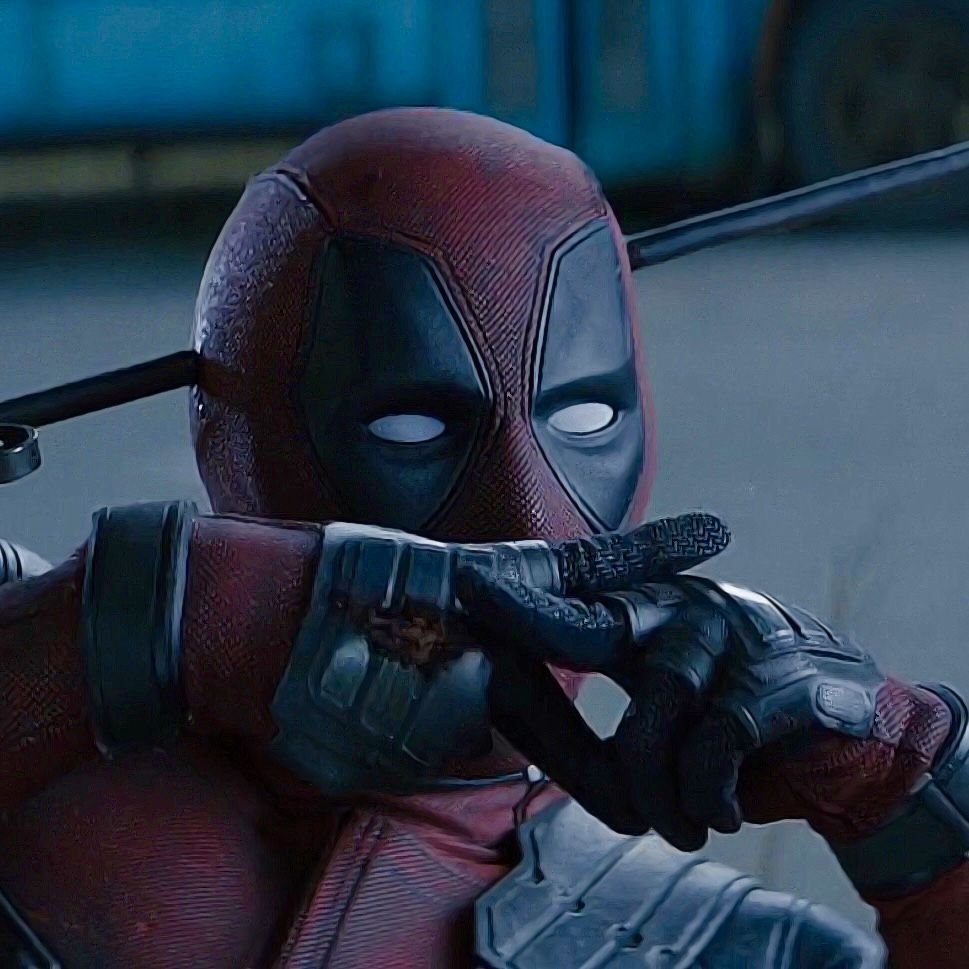
Cute interpretations of Deadpool exist because artists have leaned into chibi and rounded proportions for years big-head, small-body redraws that shrink the katanas into accessories and turn the mask’s sharp eye-cutouts into something closer to a plush toy’s expression.
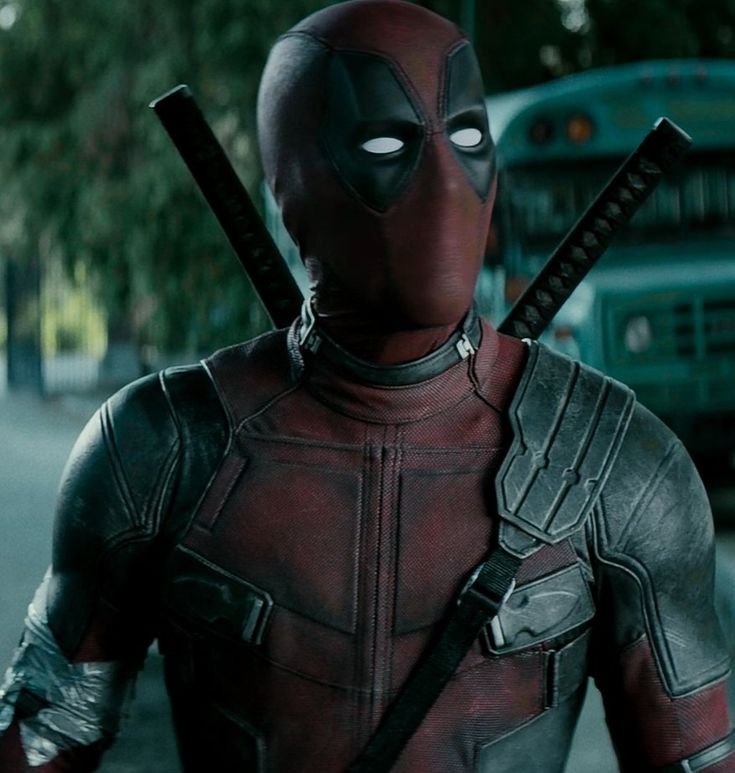
The palette softens too: instead of high-contrast red and black, cute versions often use a warmer, slightly desaturated red paired with cream or pastel backgrounds, sometimes adding props (a taco, a unicorn both recurring in-character gags) that reference the comics’ actual sense of humor rather than generic cuteness.
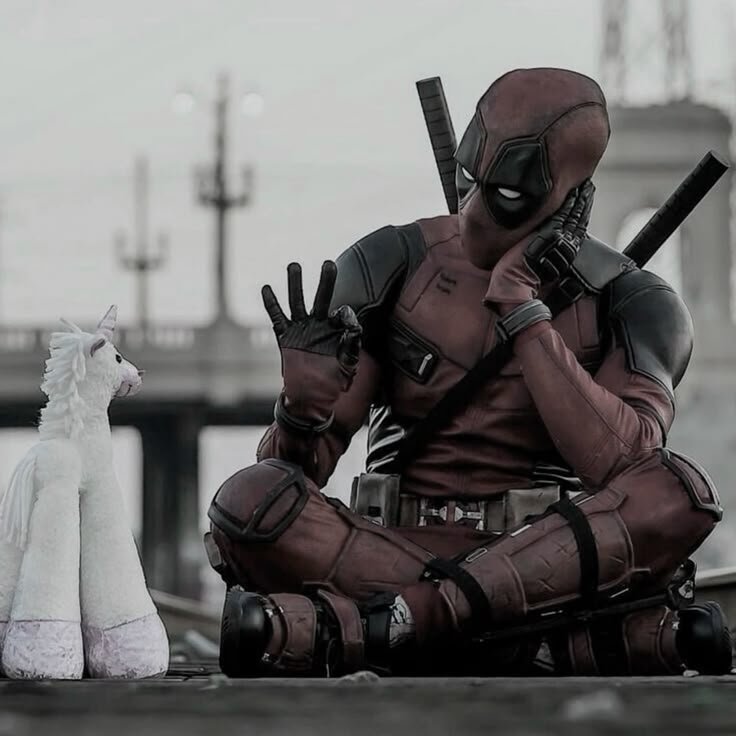
This is one of the more genuinely opinionated categories to render well, because “cute Deadpool” risks losing what makes the character recognizable if the artist goes too soft. The strongest versions keep at least one sharp detail a visible katana hilt or a single asymmetrical mask crease as an anchor.
Funny and Meme Deadpool PFP
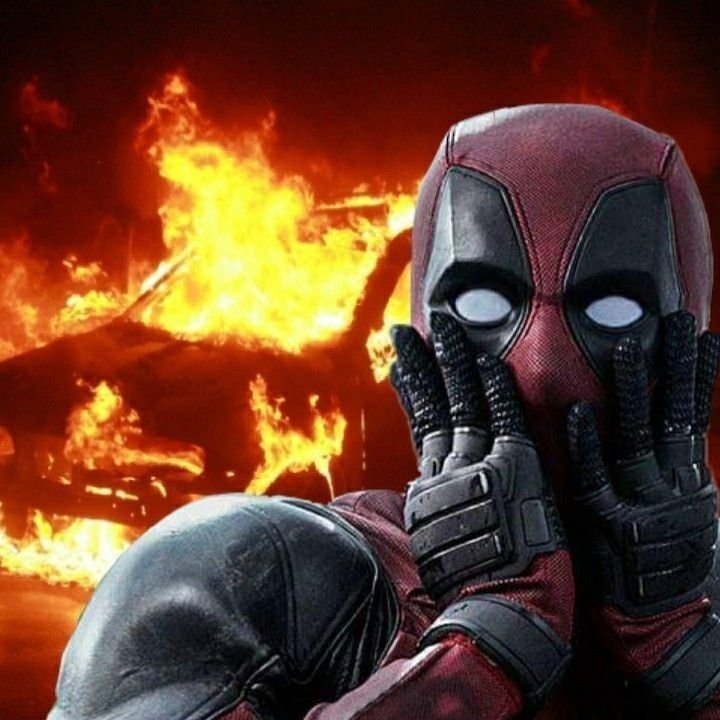
Humor isn’t a stretch category for this character it’s arguably his single defining trait. Deadpool was the first major Marvel character built around knowing he’s in a comic book, and that fourth-wall awareness (talking directly to the reader, referencing his own franchise, breaking scene logic for a joke) is baked into decades of source material.
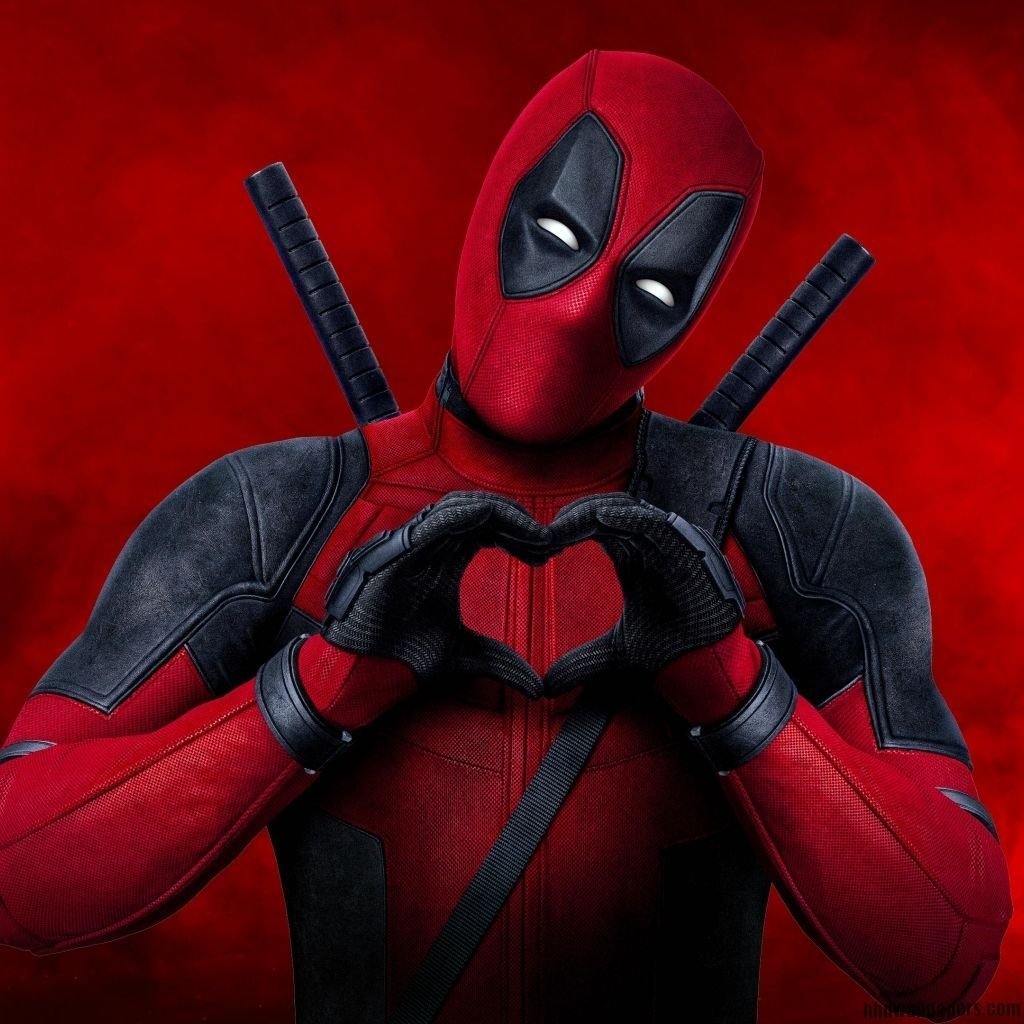
Meme-style PFPs pull from this directly: exaggerated expressions, mid-sentence freeze-frames, or panels where the character is visibly reacting to something absurd happening off-panel. Unlike “funny” sections for characters who were never designed to be comedic, this one has real textual backing it’s not a stretch, it’s the character’s whole premise.
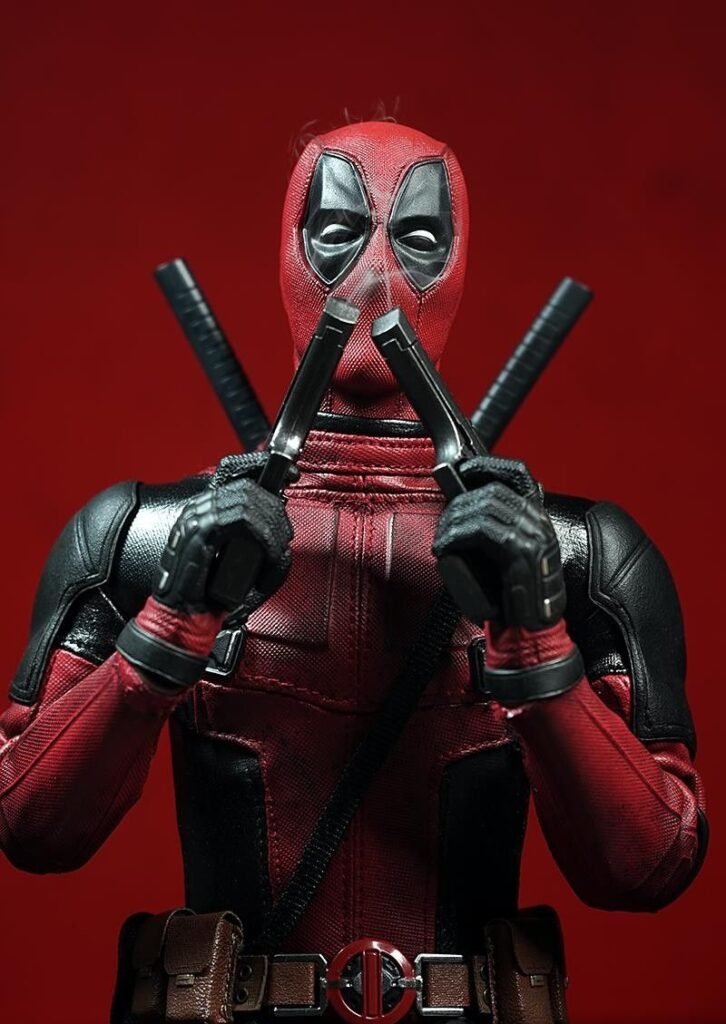
These avatars work best in spaces where the point is personality over polish gaming Discords, group chats, meme accounts since the format actively rewards looking a little unhinged rather than composed.
“For more Marvel avatars with personality, check out our Venom PFP collection.”
Anime-Style Deadpool PFP
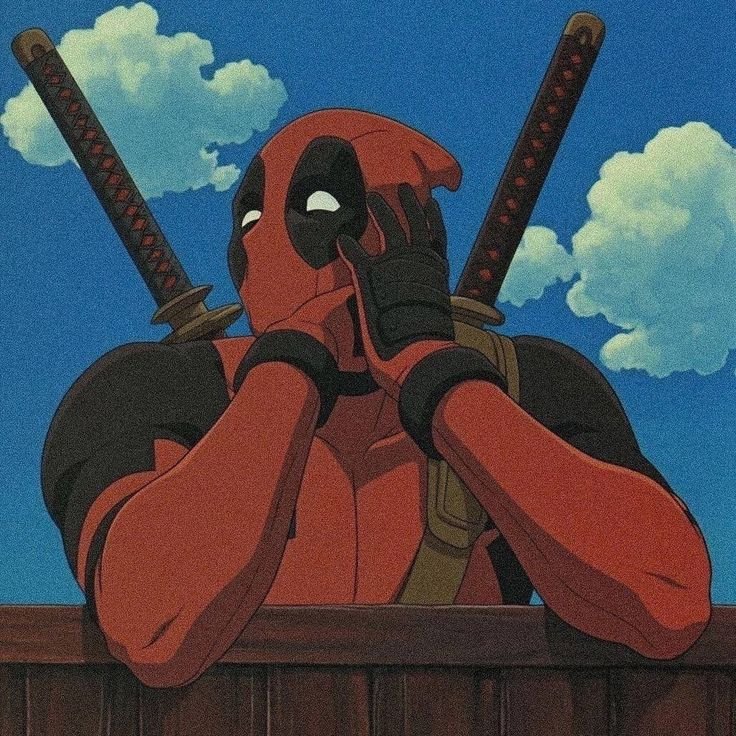
Deadpool isn’t an anime character, but he’s a frequent subject of anime-style fan redraws thinner linework, exaggerated eye-shapes cut into the mask, and the kind of cel-shaded lighting common to anime PFP edits across almost every major fandom right now.
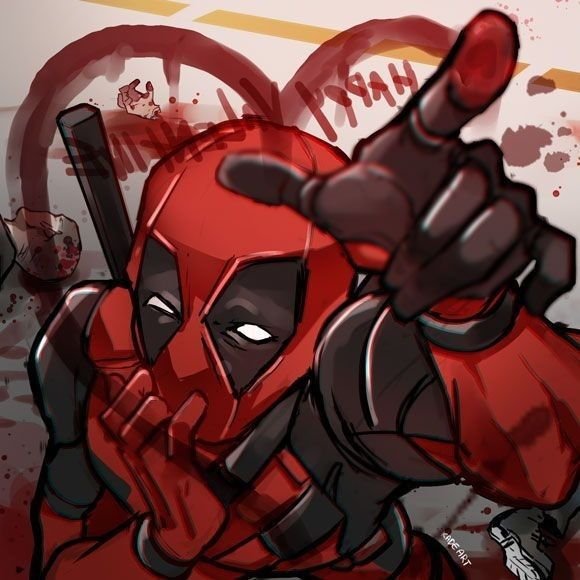
The appeal is stylistic contrast: a very American, very loud comic character reinterpreted through a visual language built for subtler, more melancholic character moments. That mismatch is often the point artists play Deadpool’s chaos against anime’s typically more restrained color grading, landing somewhere between parody and genuine tribute.
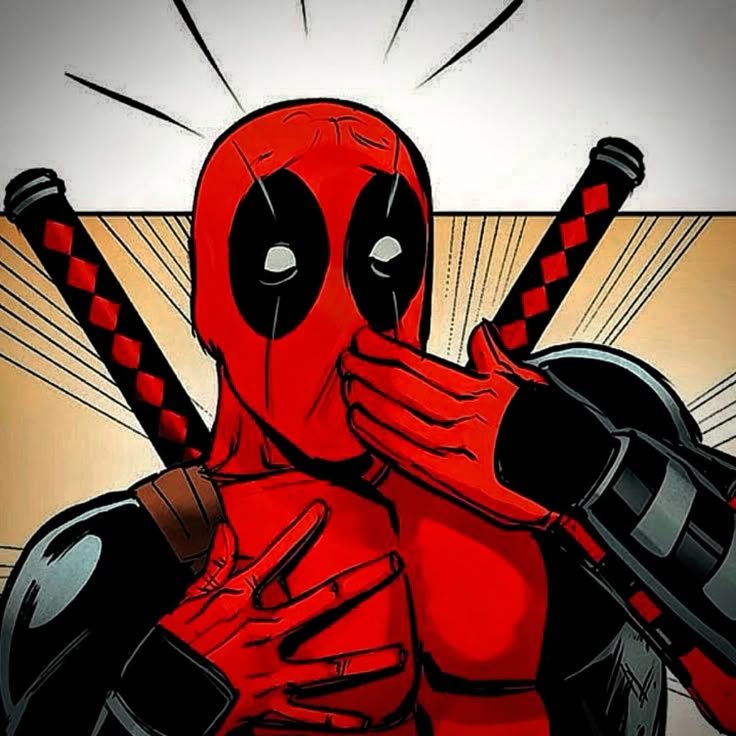
These work well for people whose broader profile already leans into anime PFP culture and want a Western character that still fits the visual set without switching styles entirely.
Discord Deadpool PFP
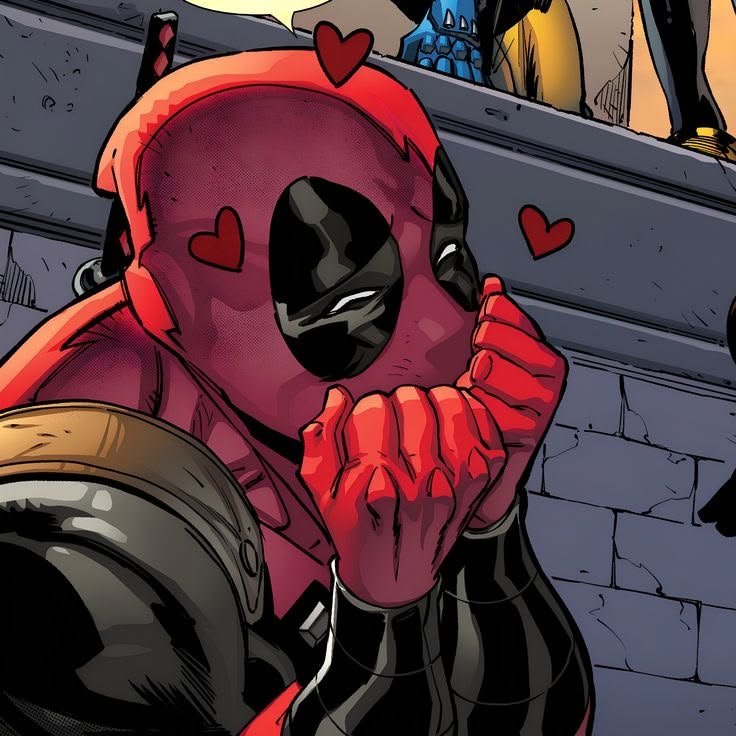
Discord shrinks every avatar into a small circle sitting directly beside a colored status dot and (often) a role-color username, which means detail-heavy comic panels lose information fast. The mask’s two black eye-shapes against red are one of the few Deadpool compositions that still reads clearly at that size most other angles start to blur.
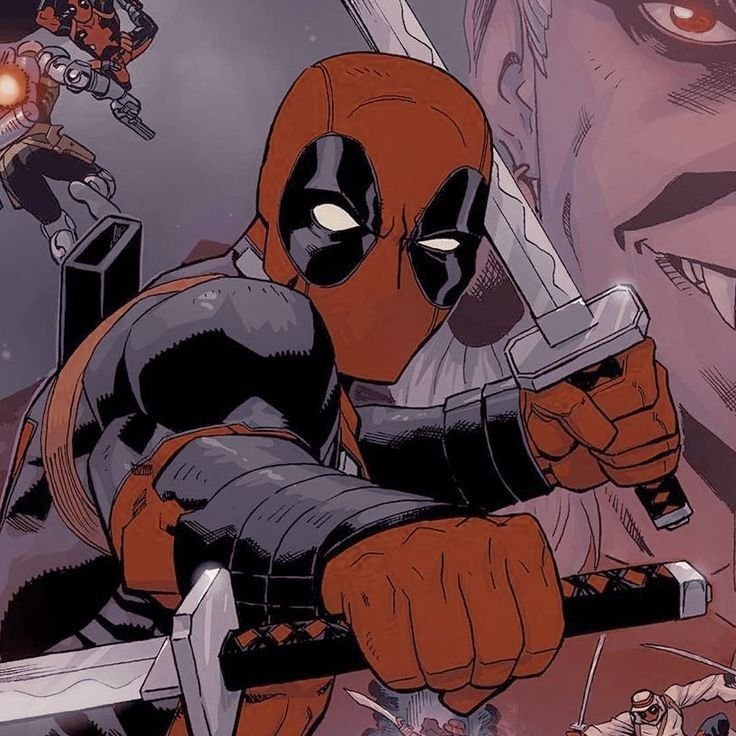
Server banner pairing matters more here than on other platforms, since Discord displays a wide banner directly above the small circular avatar. A grey X-Force suit avatar paired with a matching dark banner, for instance, reads as a coordinated profile rather than a random pick.
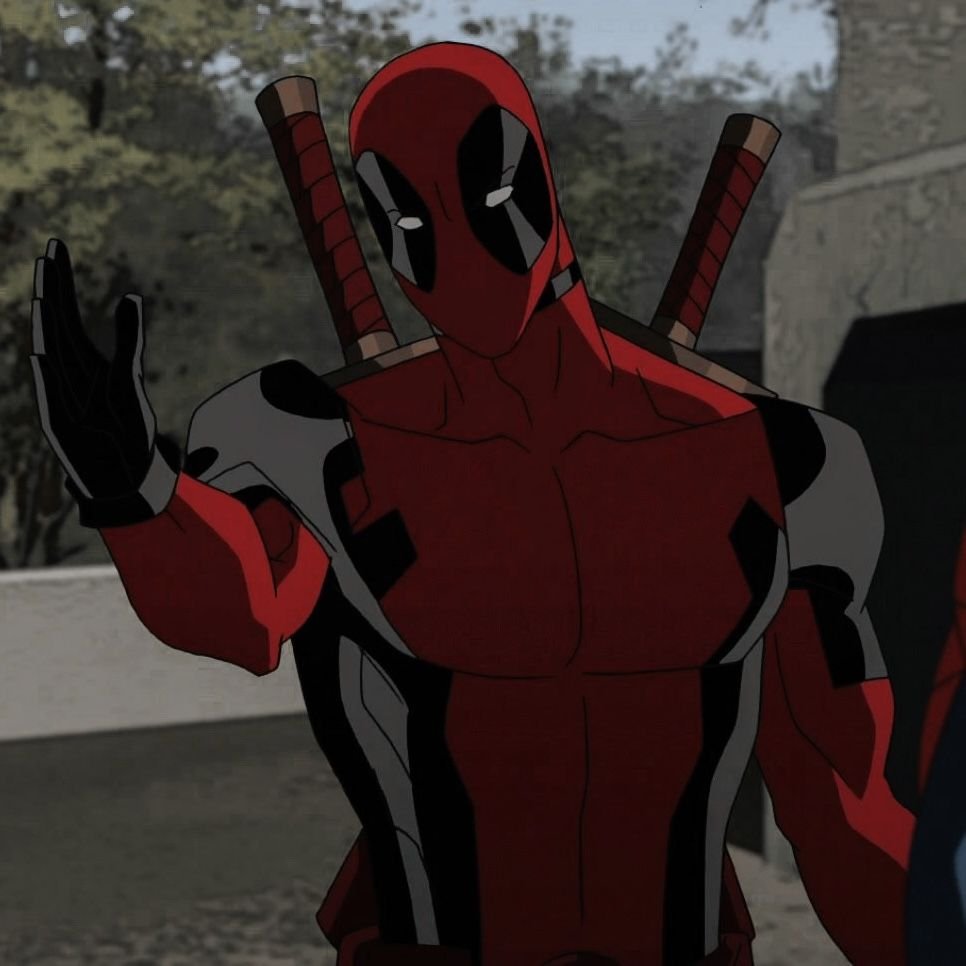
Because Discord servers often skew toward gaming communities, Marvel Rivals-sourced avatars perform particularly well here they double as a signal of what game you’re actively playing, not just what character you like.
TikTok Deadpool PFP
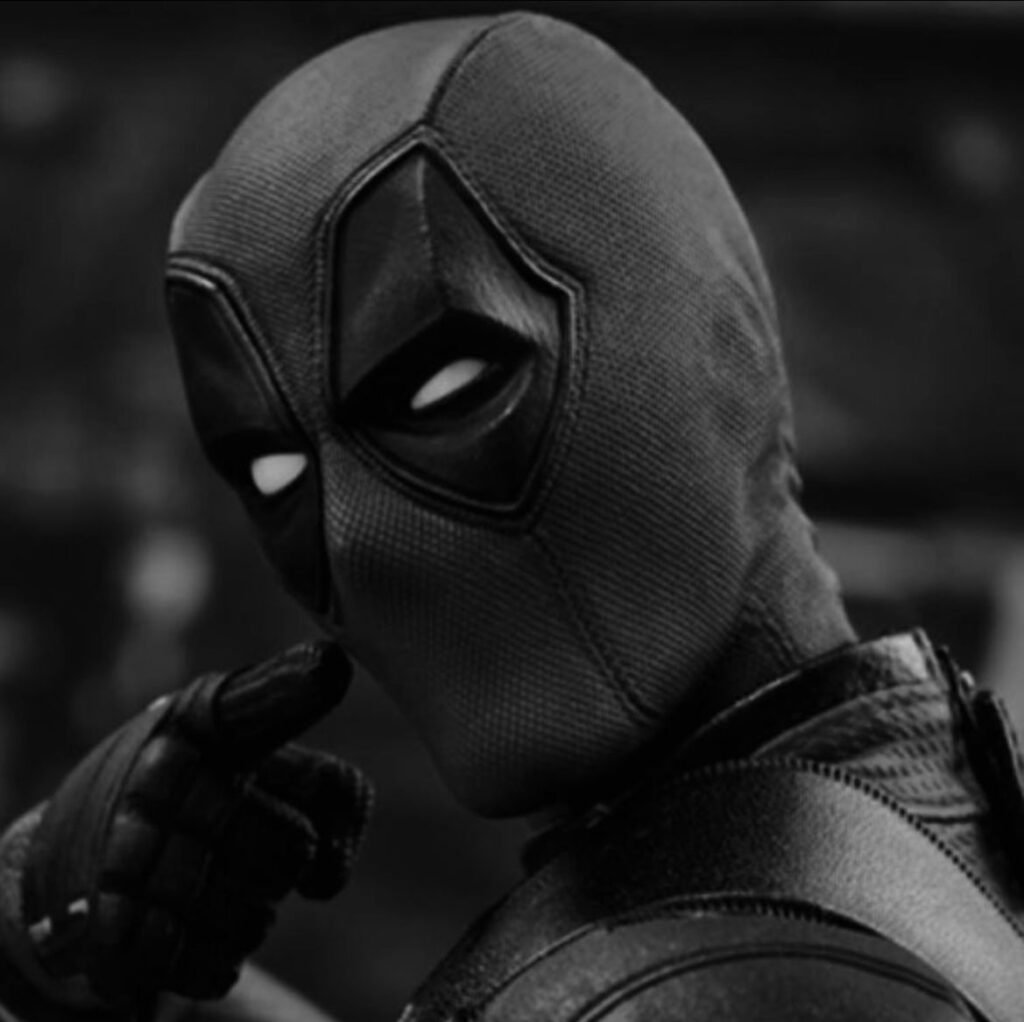
TikTok’s avatar sits beside a fast-scrolling comment column and, on duet or stitch videos, gets displayed small and repeatedly across a grid of overlapping clips so the same high-contrast-mask logic that works for Discord applies, but the surrounding visual noise is worse and more constant.
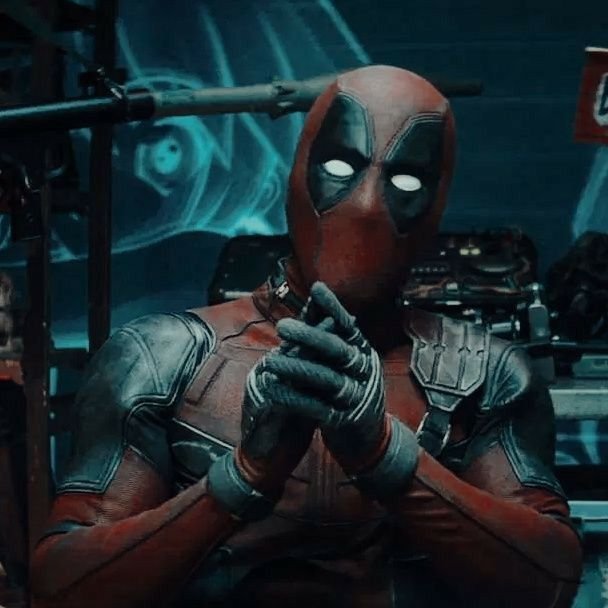
This is also where trend-driven Deadpool content lives right now the “Marvel Rivals Christmas Deadpool” fan-edit trend and general Marvel Rivals meme-posting culture (including joke terms like “corny profile pictures” circulating around the game’s fanbase) originate largely here rather than on more static platforms like Pinterest.
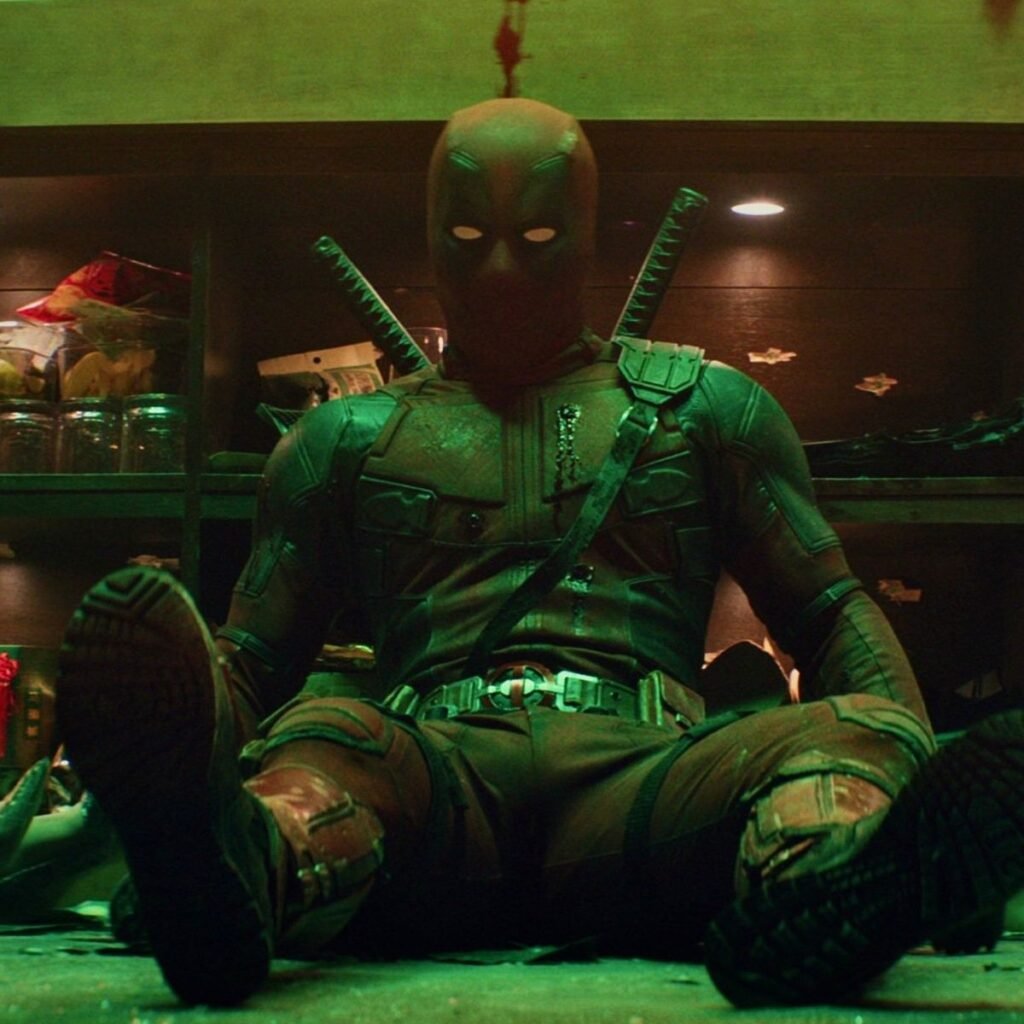
Because TikTok surfaces content algorithmically rather than through saved boards, a Deadpool PFP tied to a currently trending in-game skin or meme format tends to get more organic visibility than a static classic-comic image would.
Instagram Deadpool PFP
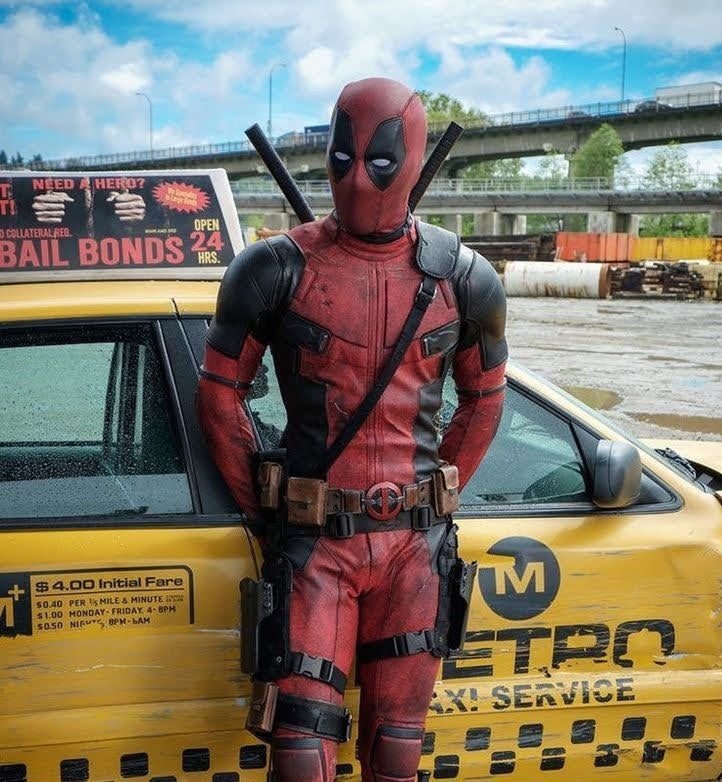
Instagram crops every profile photo into a circle framed by a colored story ring whenever an active story is posted, which changes how composition should work compared to Discord’s plain circle leave a little visual breathing room near the edges so the story ring doesn’t clip the mask’s eye-shapes.
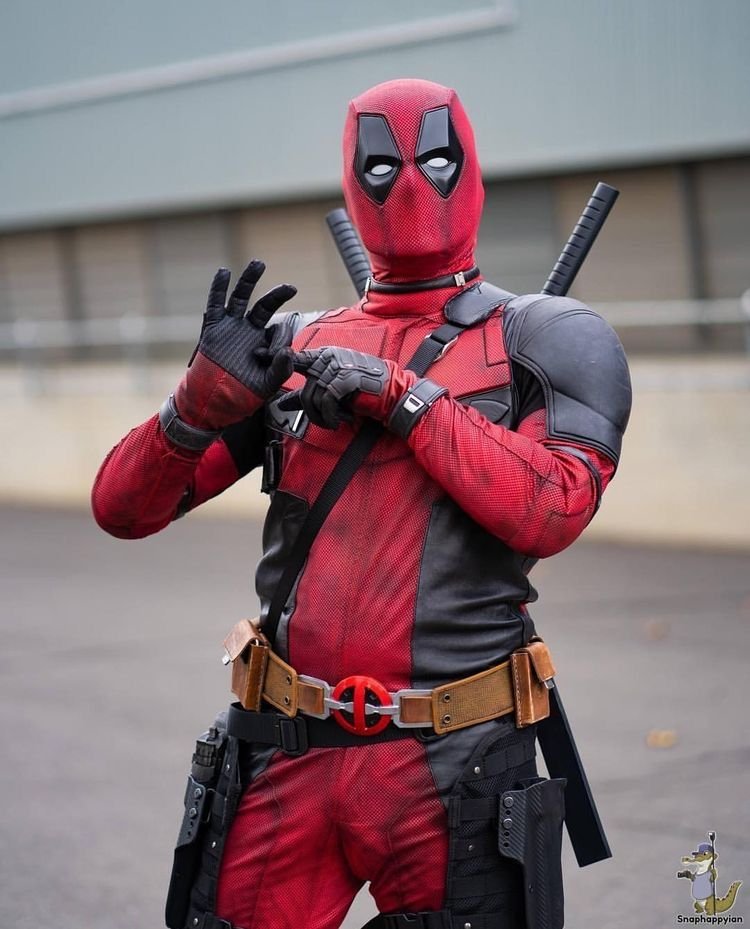
Grid coordination also matters more here than on chat platforms. If your Instagram grid already runs warm tones or high-contrast editing, a classic red-and-black Deadpool avatar reinforces that; if the grid leans muted or pastel, the cute or anime-style versions blend in more cleanly than the comic-accurate look would.
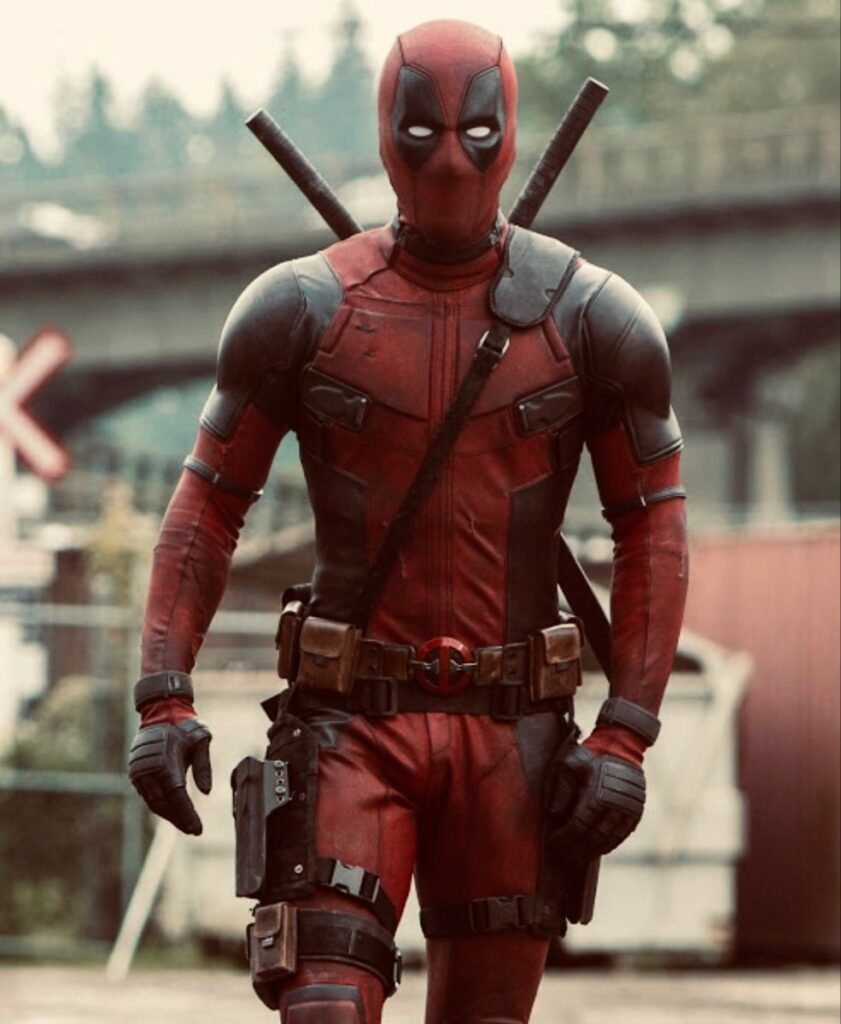
Movie stills tend to perform best on Instagram specifically, since the platform’s audience skews toward recognizing screen versions of characters over deep-cut comic panels.
Pinterest Deadpool PFP
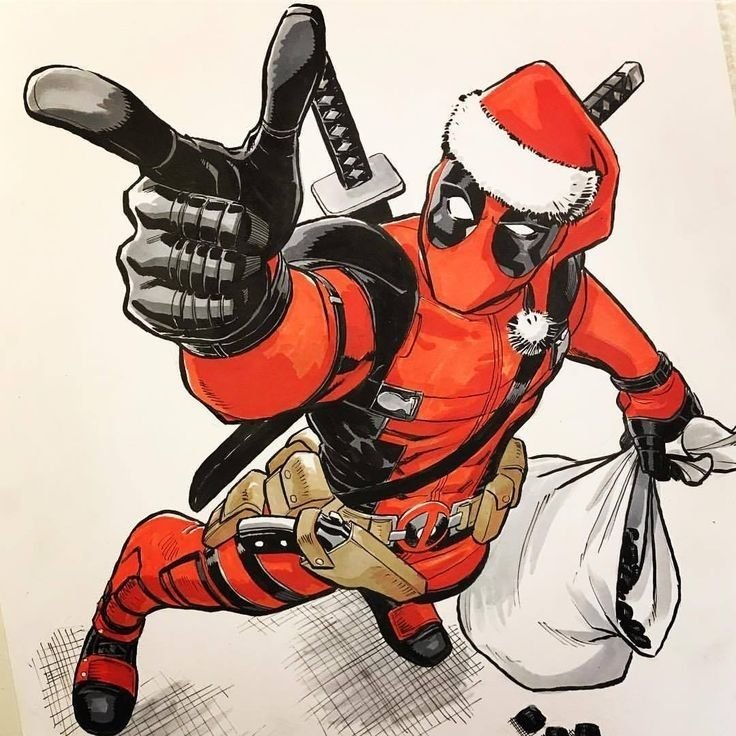
Pinterest works differently from every other platform on this list it’s board-based discovery rather than a single small avatar, so full, uncropped wallpaper-style images perform better here than tightly cropped headshots do. People are actively saving and re-browsing these images later, not just glancing at them beside a username.
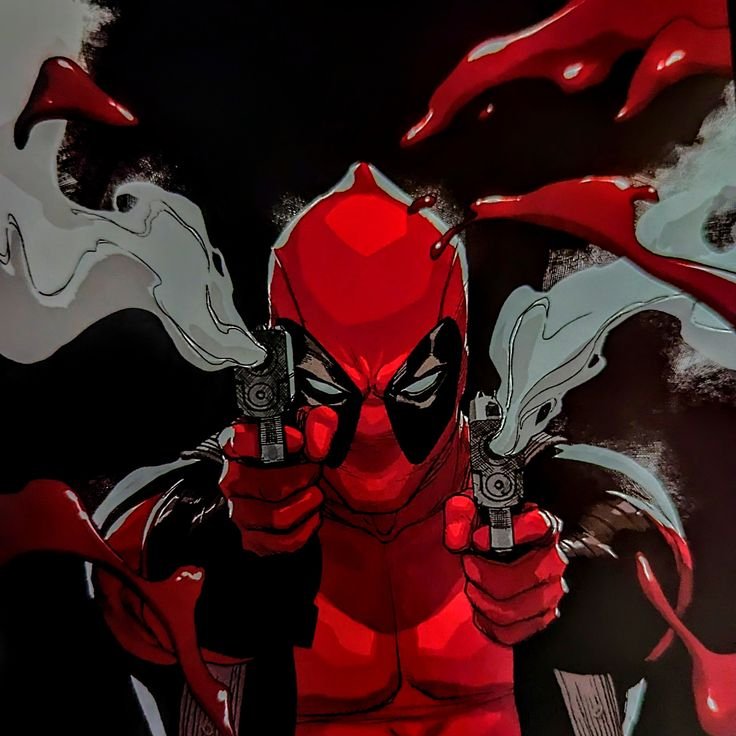
This is also where the widest range of fan art actually surfaces, since Pinterest indexes independent artist uploads more thoroughly than algorithm-driven apps do. Aesthetic, cute, and anime-style Deadpool interpretations tend to cluster into their own boards here in a way that doesn’t happen on faster-scrolling platforms.
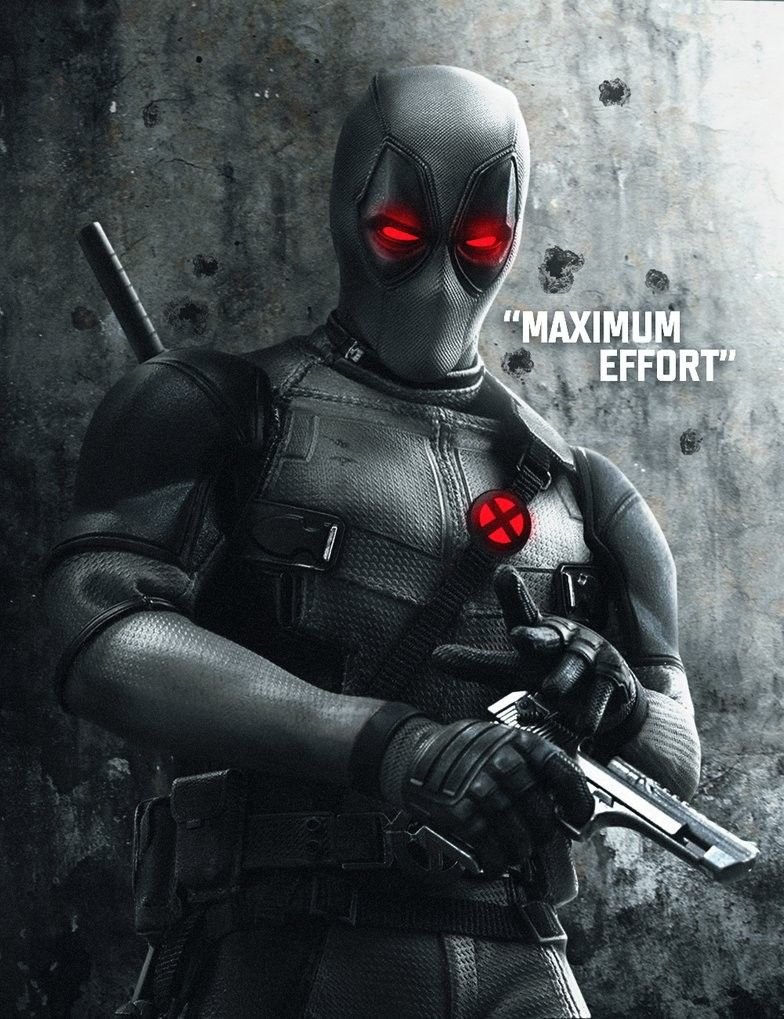
Because saved pins get revisited, slightly more detailed compositions a full-body pose rather than just a masked close-up hold up better on Pinterest than they would as a cropped chat avatar.
Deadpool HD/4K PFP
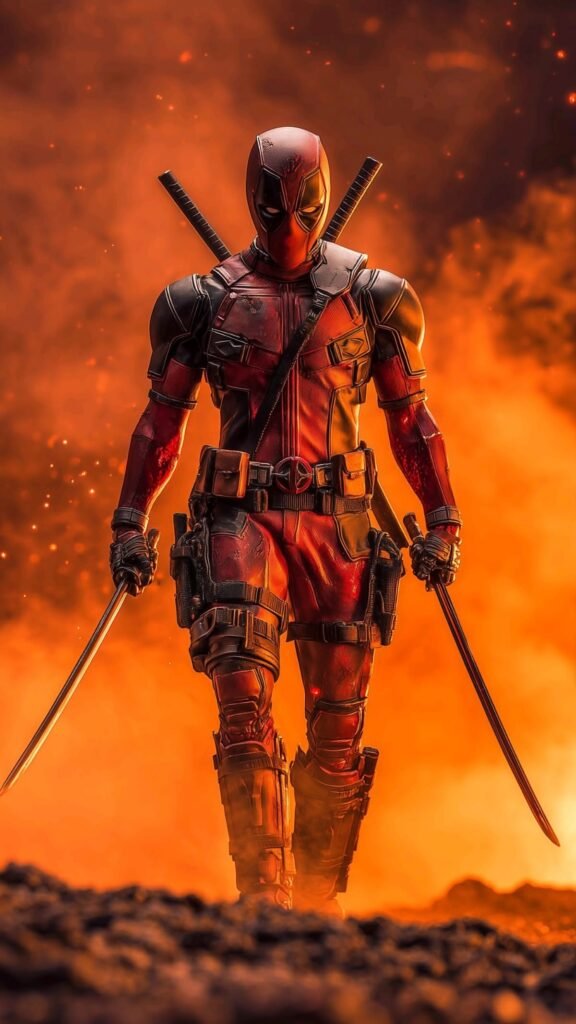
Higher resolution matters more for Deadpool specifically than it does for flatter-colored characters, because the mask relies on subtle texture leather creases, stitching lines, slight color variation across the red to avoid looking like a flat cutout. Compressed low-res versions tend to flatten that detail into a solid block of color.
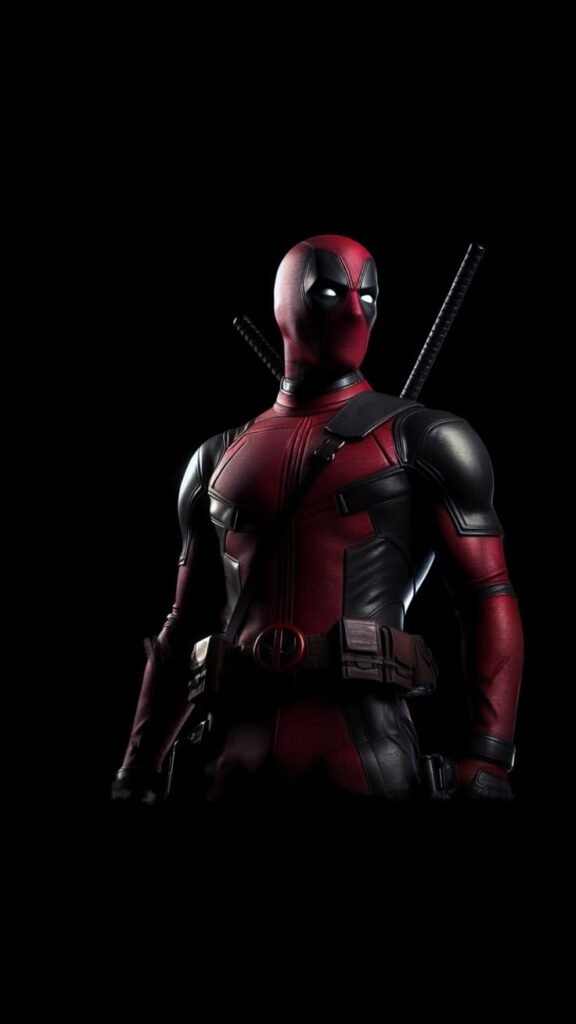
4K source images also hold up better across platforms with wildly different crop ratios; a high-resolution movie still or game render can be recropped for Discord’s small circle, Instagram’s story ring, and a Pinterest board without visible quality loss, where a low-res image starts showing compression artifacts the moment it’s resized.
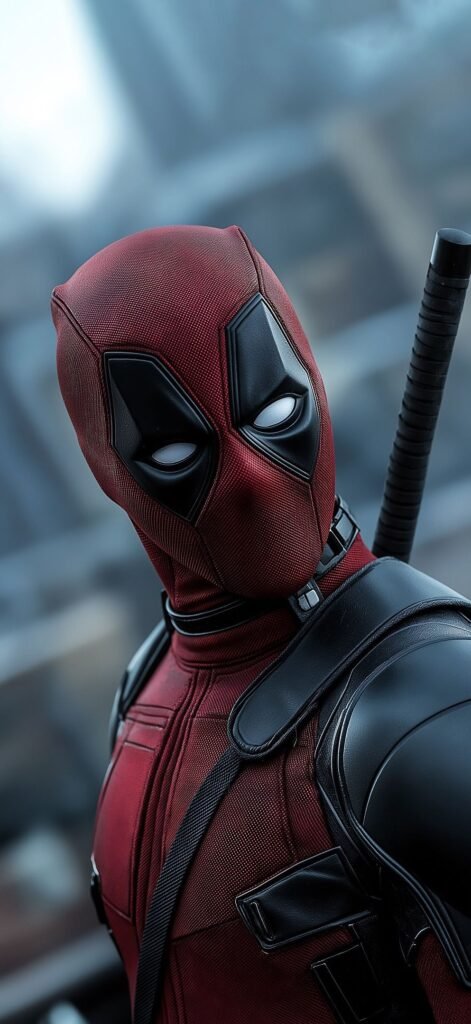
This matters most for the grey X-Force suit and Marvel Rivals renders specifically, since both rely on finer material detail (leather texture, tactical gear stitching) that a soft, low-resolution image tends to muddy first.
“See our Doctor Doom PFP collection for another iconic Marvel figure.”
Deadpool Wallpaper PFP
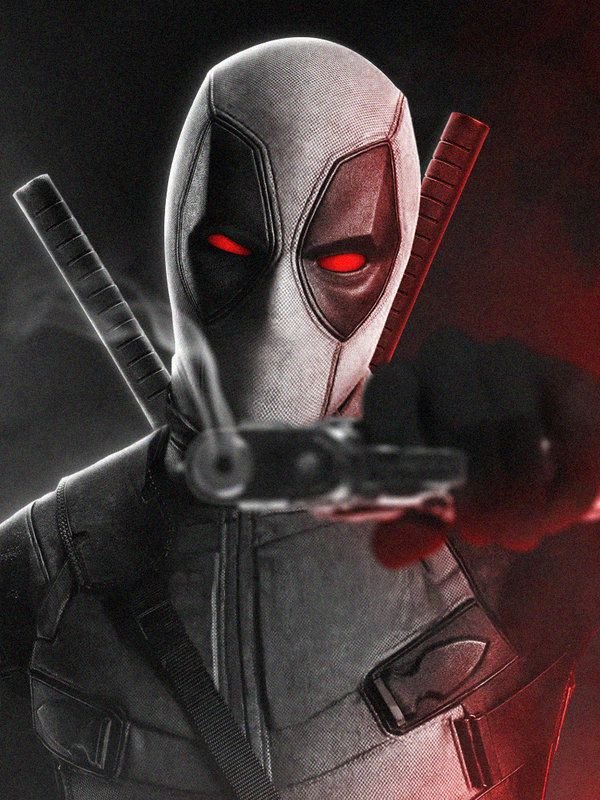
Wallpaper-style Deadpool images differ from standard PFPs mainly in framing they’re built as full uncropped scenes rather than tight headshots, often including background elements (a city skyline, a battle scene, the X-Force team) that a circular avatar crop would cut off entirely.
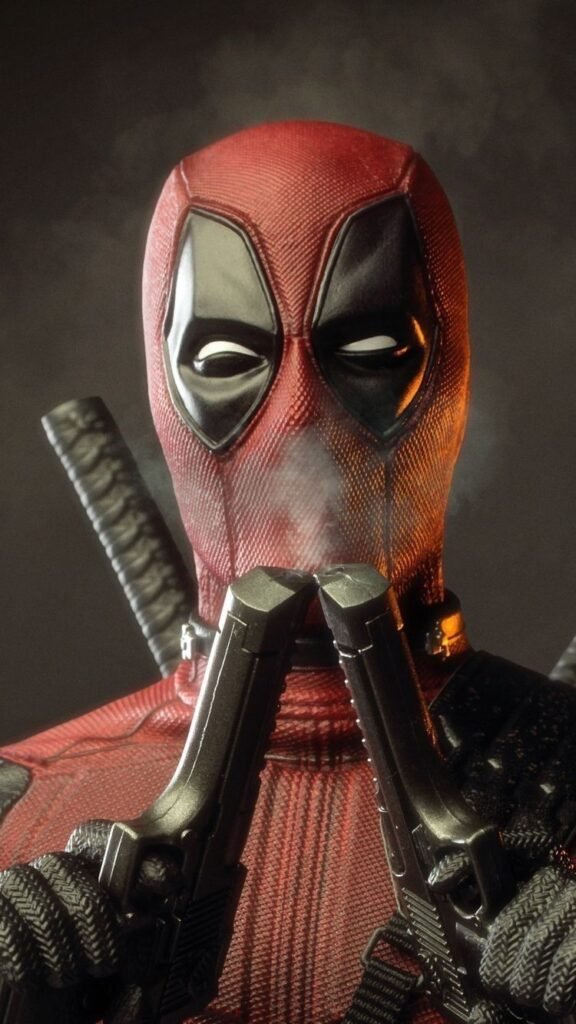
These work best as a source image to crop down from rather than a direct PFP upload pull the mask into frame for the avatar version, then keep the full wallpaper for desktop or phone lock-screen use, giving a matched set across a person’s whole digital footprint rather than one isolated image.
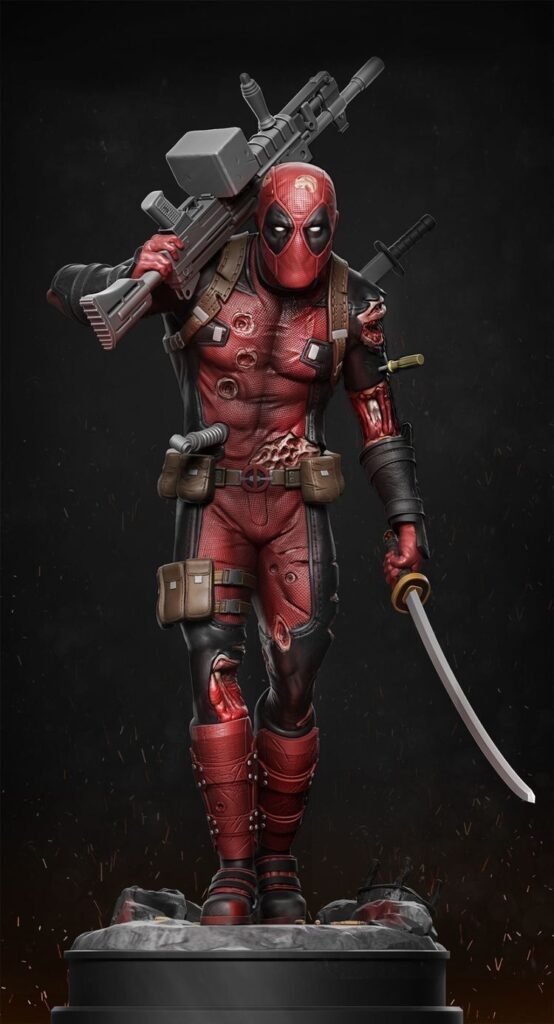
Because Deadpool’s most visually rich material (X-Force team shots, Marvel Rivals battle scenes, movie set pieces) tends to be wide-format to begin with, this category has more genuinely varied source material available than most single-character wallpaper searches do.
How to Choose the Right Deadpool PFP
- Match the version to your fandom depth. Classic comic material signals you follow the print series; movie stills signal casual fandom; the grey X-Force suit signals you’re current on 2026 news.
- Check platform crop behavior first. Discord and TikTok favor tight, high-contrast mask close-ups; Pinterest and wallpaper use favor full-scene, uncropped images.
- Prioritize resolution for texture-heavy versions. The grey suit and Marvel Rivals renders lose the most quality when compressed.
- Coordinate with your banner or grid, not just the avatar alone. A red-and-black avatar against a clashing banner color reads as unplanned.
- Pick humor-forward versions for casual spaces, composed versions for professional-adjacent ones. Meme-style Deadpool avatars fit gaming Discords; a still, aesthetic crop fits a more general-purpose profile.
- Confirm skin availability before committing to a Marvel Rivals look. In-game cosmetics rotate seasonally, so a specific pose or outfit may not stay current.
Read: Punisher PFP
Read: Loki PFP
Read: XXXTentacion PFP
Read: Pokemon PFP
Read: Silver Surfer PFP
Frequently Asked Questions
Conclusion
Deadpool’s staying power as a PFP choice comes down to range most single characters don’t have a genuinely distinct comic origin, a separate and hugely popular film identity, an underused stealth-suit variant with a fresh 2026 news hook, and an entirely different life as a competitive game avatar. Few Marvel characters give you that many legitimately different “versions” to choose from without any of them feeling like a stretch.
The right pick isn’t really about which version is objectively best it’s about which one matches what you’re actually signaling. A comic-accurate mask says you read the books; a movie still says you’re along for the ride; and right now, that grey X-Force suit is the one most people haven’t used yet, which might be the strongest argument for it.