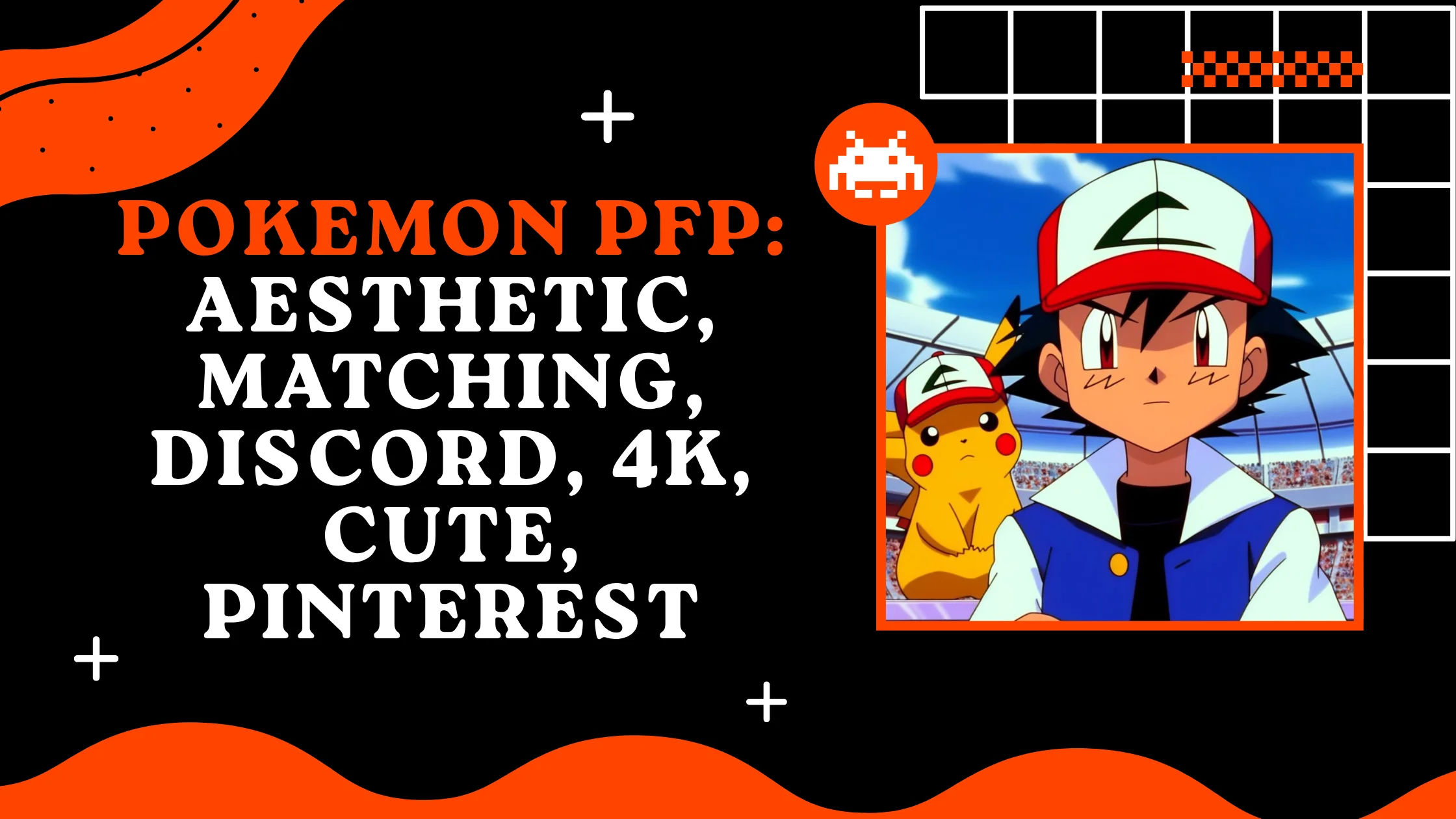
Pokemon PFP: Aesthetic, Matching, Discord, 4k, Cute, Pinterest
A Pokemon PFP works differently than most character avatars because the franchise was never built around one face. Since Pocket Monsters Red and Green launched in Japan in 1996 under creator Satoshi Tajiri and character designer Ken Sugimori, the series has produced over a thousand distinct creatures, several generations of human protagonists, and an entire subculture shiny hunting built around finding rare color variants of the same species. That’s a genuinely unusual amount of material to pull a single profile picture from.
That range is exactly why “Pokemon PFP” is worth breaking apart by specific creature, era, and mechanic rather than treating it as one flat category. A Pikachu avatar signals something different from a shiny Charizard, and both signal something different again from a screenshot of the franchise’s current anime cast Liko and Roy who took over after Ash Ketchum’s 25-year run as the series’ protagonist ended.
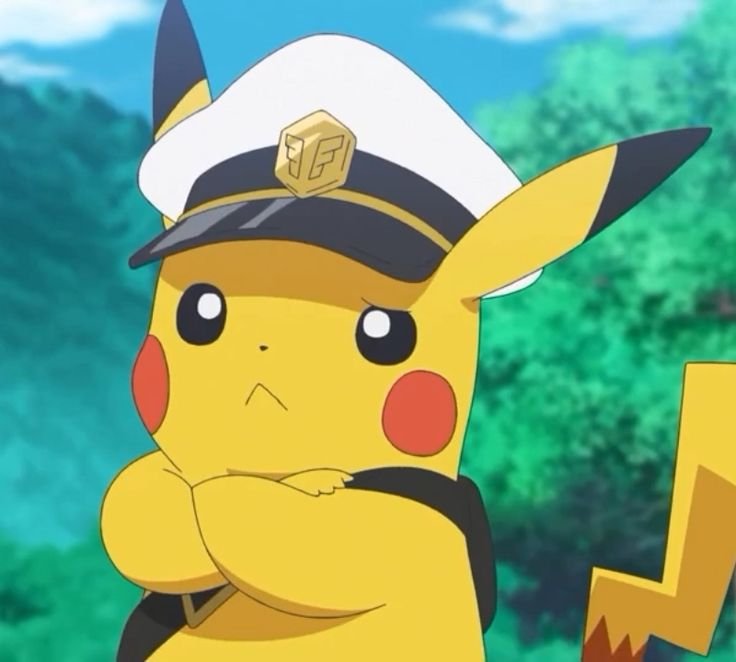
Pikachu Pokemon PFP
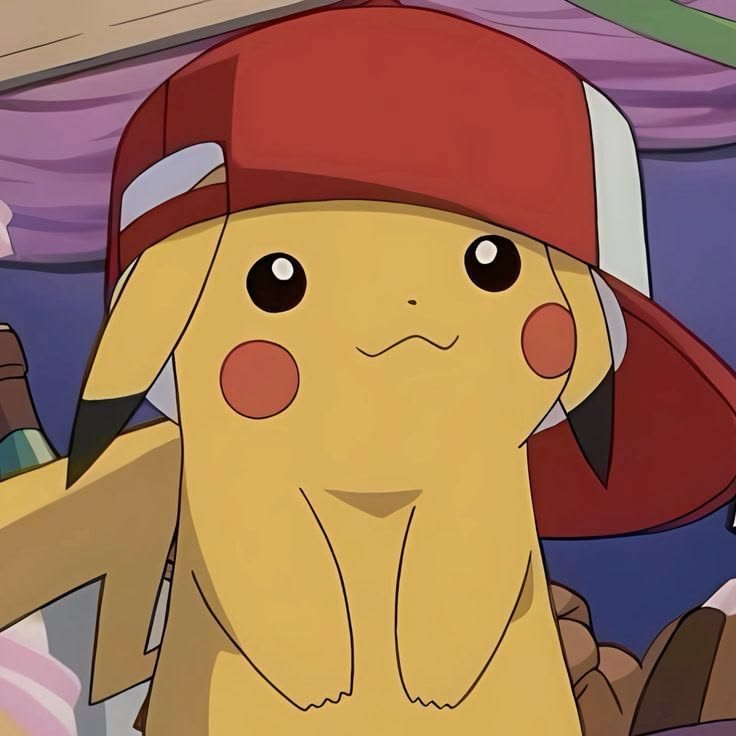
Pikachu didn’t start out as the franchise mascot that role solidified once the original anime made him Ash Ketchum’s starting partner instead of a standard starter Pokémon, a decision that reshaped the character’s design priorities toward pure recognizability. Designed with input from Atsuko Nishida and Ken Sugimori, the Electric-type’s red cheek pouches and lightning-bolt tail have stayed essentially unchanged since 1996 for exactly that reason.
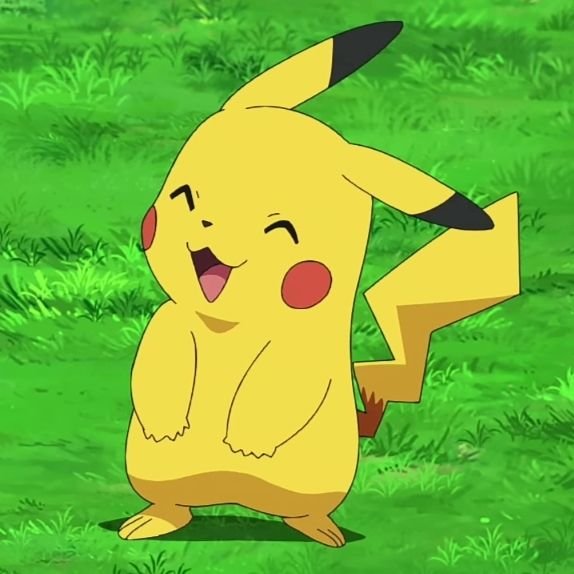
That visual consistency is what makes Pikachu avatars so reliable at small sizes the round face, black-tipped ears, and bright yellow body read clearly even heavily compressed, which is rare for a 30-year-old character design. Expression carries most of the personality here: a wide-eyed startled Pikachu communicates something completely different from a confident, sparking-cheeks battle pose.
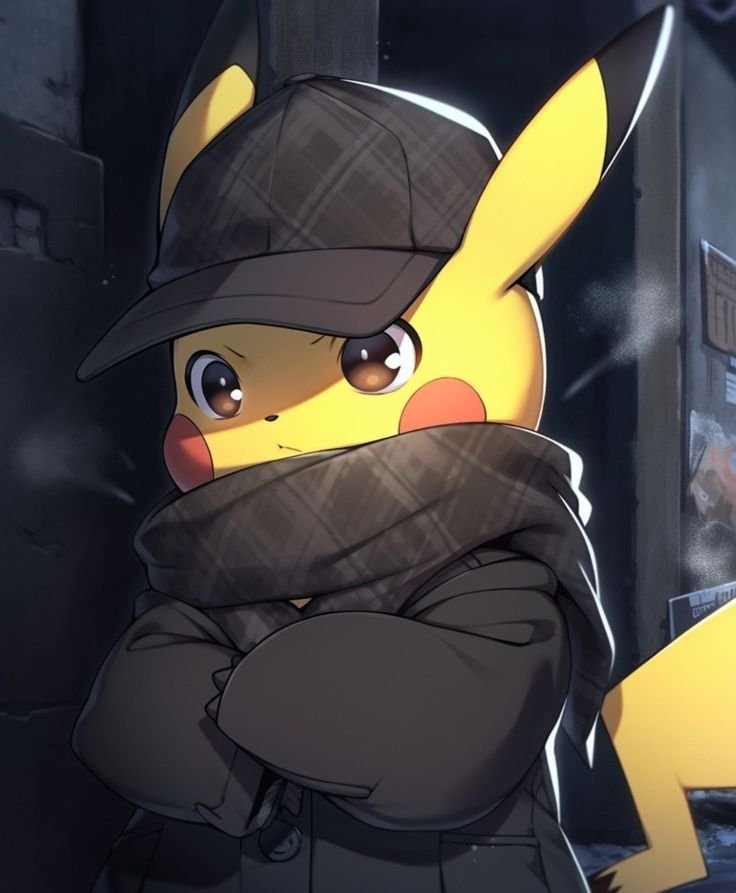
Because Pikachu appears across every generation of games, the current anime, and nearly all merchandise, sourcing an image tied to a specific game generation or anime season can make an otherwise generic pick feel more personal a Gen 1 sprite-style crop reads differently than a modern 3D render from Legends: Z-A.
Charizard Pokemon PFP
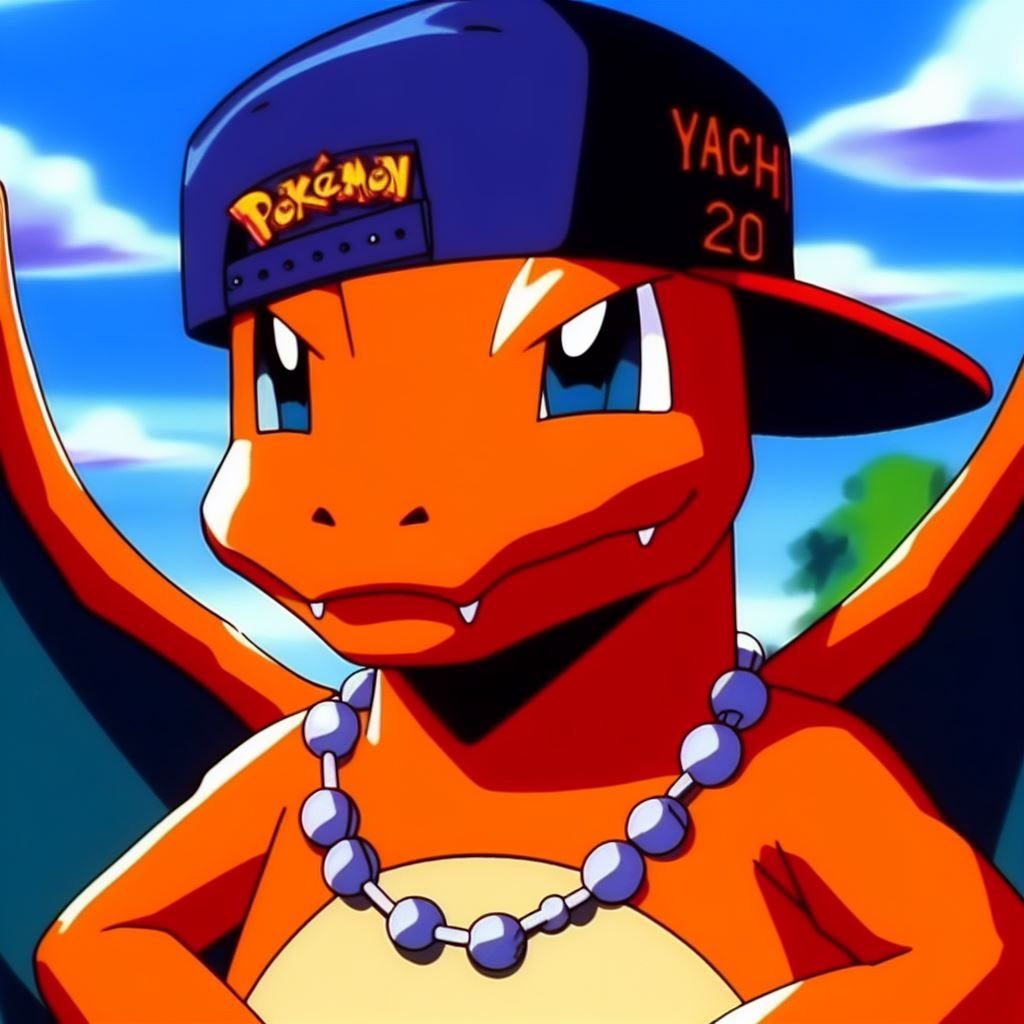
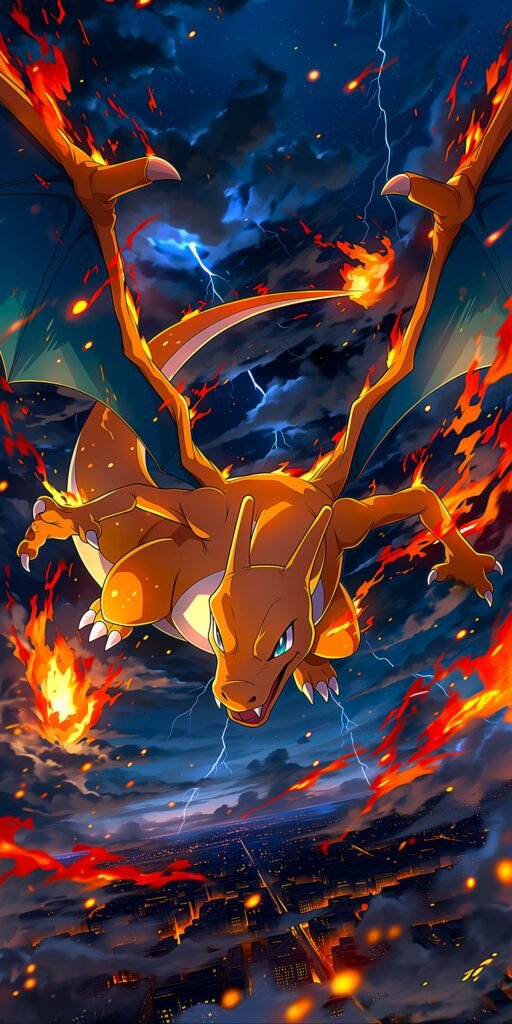
Charizard occupies a different tier of demand than most individual Pokémon, and it’s worth explaining why: the Charmander line’s final evolution became one of the franchise’s most collectible faces largely through the trading card game, where the original holographic base-set Charizard remains among the most recognized and valuable cards ever printed. That crossover between gaming culture and card-collecting culture gave Charizard a fanbase that doesn’t fully overlap with general Pokémon fandom.
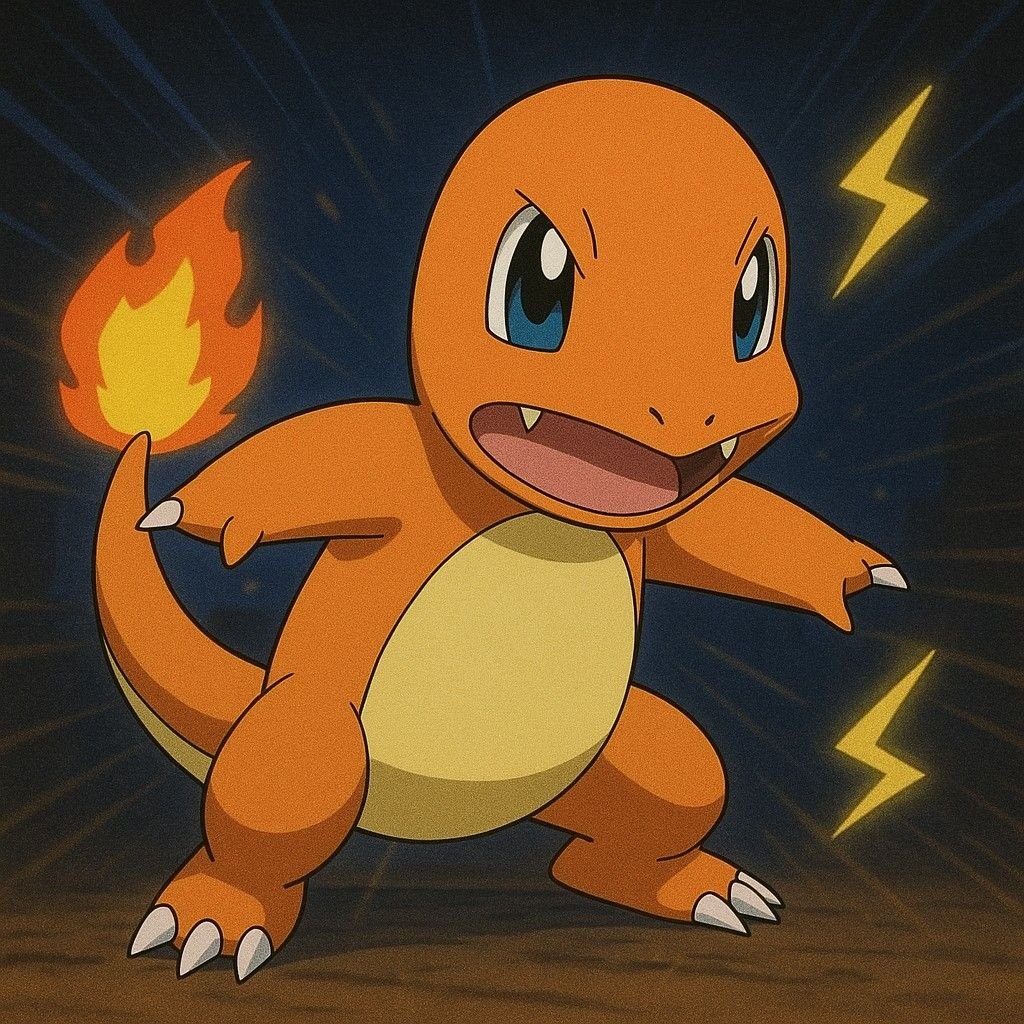
Visually, the Fire/Flying-type’s orange scales, flame-tipped tail, and dragon-like wings already read as more “cool” than cute, and the character gained an extra layer of demand when Generation 6 introduced Mega Charizard X (which shifts the typing to Fire/Dragon and the color palette to black and blue) alongside the original’s Mega Charizard Y giving fans a genuinely distinct alternate form to choose between, not just a recolor.
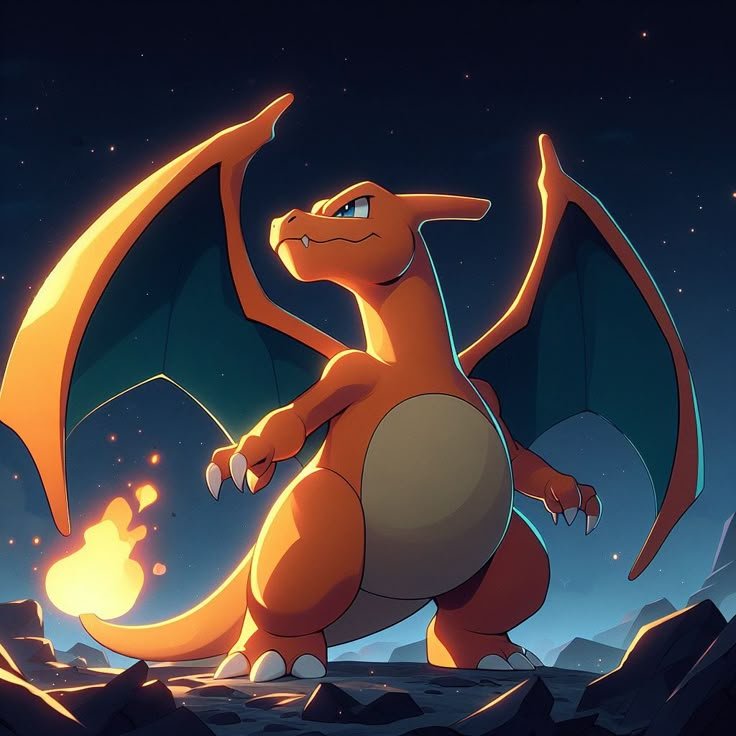
Shiny Charizard specifically is one of the most searched individual shiny Pokémon, since the alternate black coloration reads as dramatically different from the standard orange rather than a subtle tint a detail that matters a lot for an avatar that needs to look intentional rather than accidental at thumbnail size.
Shiny Pokemon PFP
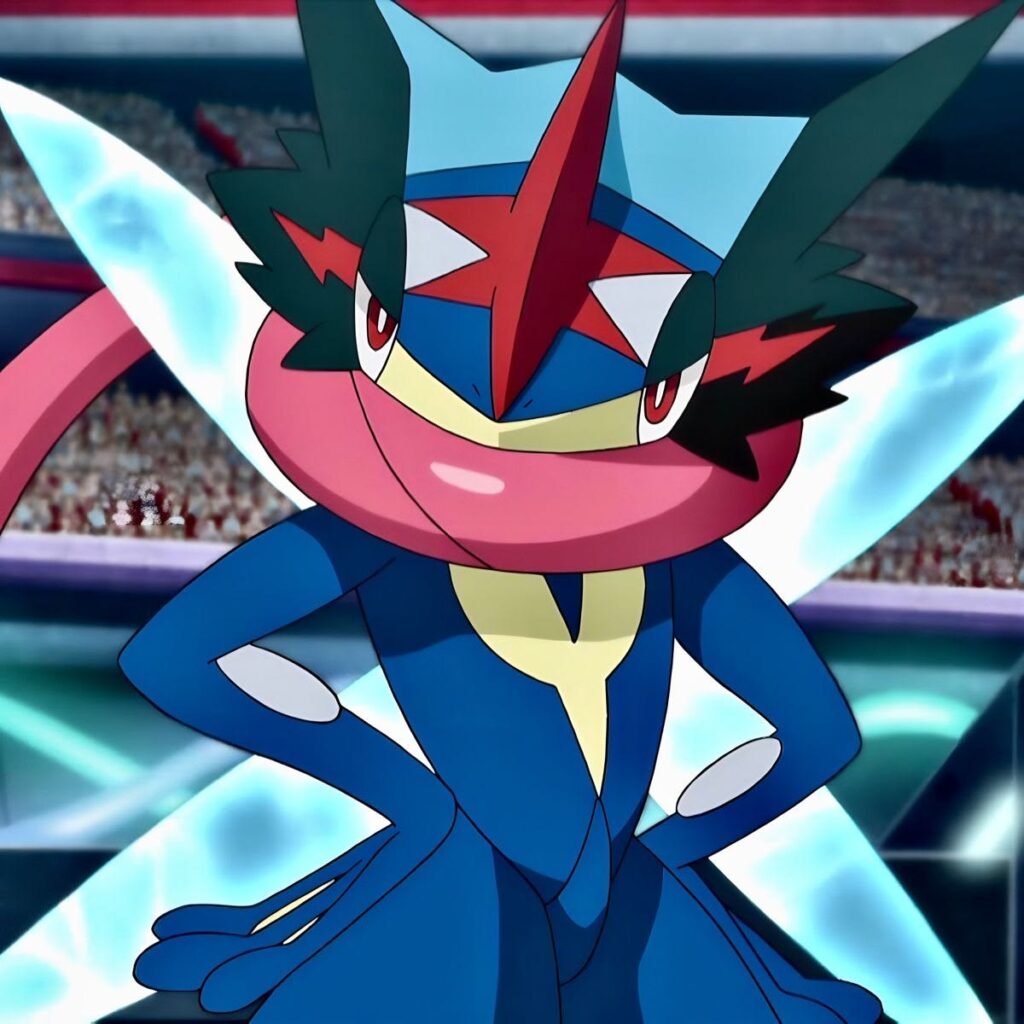
Shiny Pokémon are alternate-colored versions of standard species, and the mechanic itself is core to a huge amount of fandom activity: the base encounter rate is roughly 1 in 4096, which turns finding one into a genuine achievement rather than a cosmetic toggle. That rarity is exactly why a shiny avatar reads as a flex within the community in a way a standard-color version simply doesn’t.
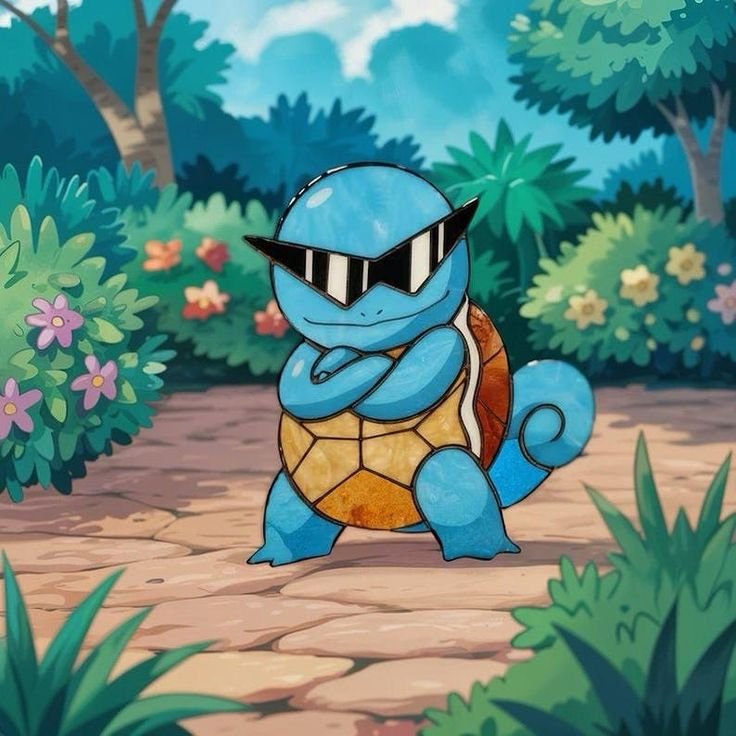
This category got a fresh, current push in January 2026, when Pokémon Legends: Z-A overhauled its shiny hunting tools with clearer audio and visual cues for spotting a shiny the moment it spawns a quality-of-life change the shiny hunting community specifically had been asking for, and one recent enough that most existing Pokemon PFP roundups haven’t caught up to yet.
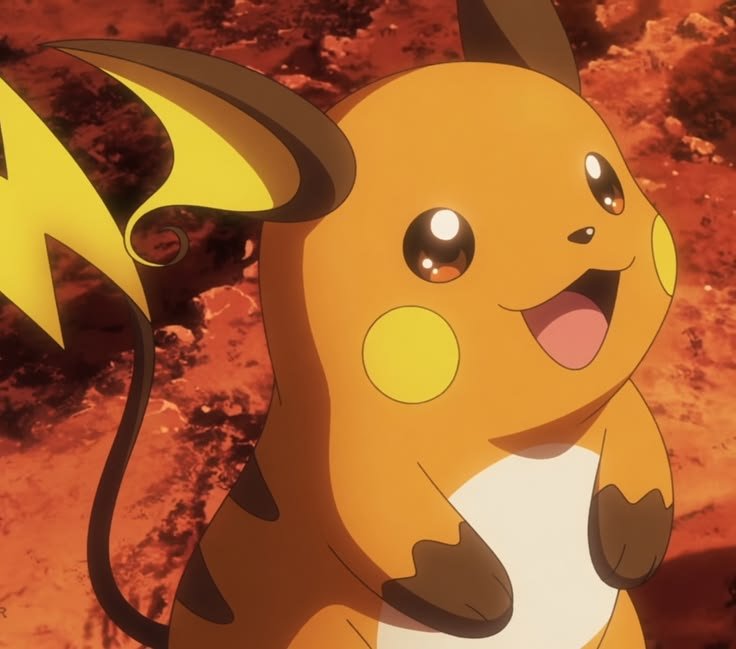
Because the color shift can range from subtle (a slightly bluer Charizard-adjacent Pokémon) to dramatic (Gyarados turning fully red instead of blue), the strongest shiny PFPs tend to pick species where the alternate palette is instantly obvious rather than something a viewer has to be told about.
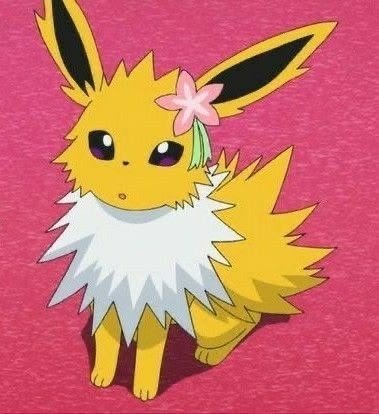
Eevee Pokemon PFP
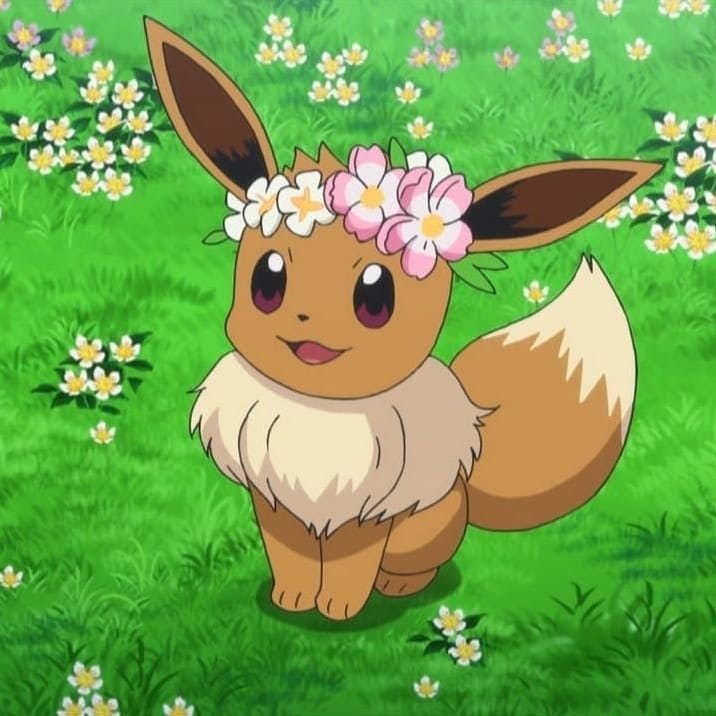
Eevee is structurally unlike most Pokémon used for avatars because it’s defined by what it can become rather than one fixed form. The Normal-type’s unstable genetic makeup lets it evolve into eight different “Eeveelutions” Vaporeon, Jolteon, Flareon, Espeon, Umbreon, Leafeon, Glaceon, and Sylveon each shifting to a different elemental type depending on specific in-game conditions like friendship level, time of day, or a particular stone.
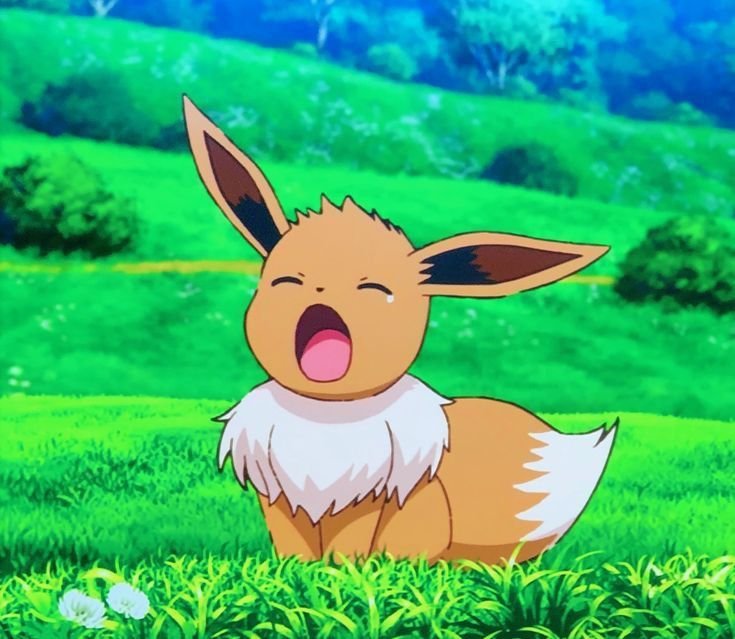
That branching structure gives Eevee-based PFPs a layer other single-form Pokémon don’t have: the base form itself reads as soft, warm-brown, and universally cute, while each evolution carries its own distinct palette and mood, from Umbreon’s near-black, moon-ringed design to Sylveon’s pastel-pink ribbons. Picking base Eevee versus a specific evolution is effectively picking a personality.
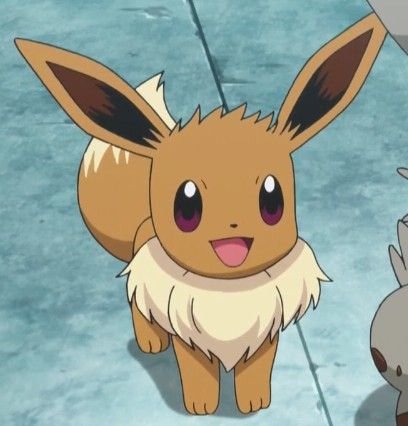
This flexibility is a big part of why Eevee-line avatars performed so well around Pokémon: Let’s Go, Eevee!, and it keeps the option relevant for anyone who wants a Pokémon PFP that signals “cute” without committing to only one color palette.
Ash & Classic Trainer Era Pokemon PFP
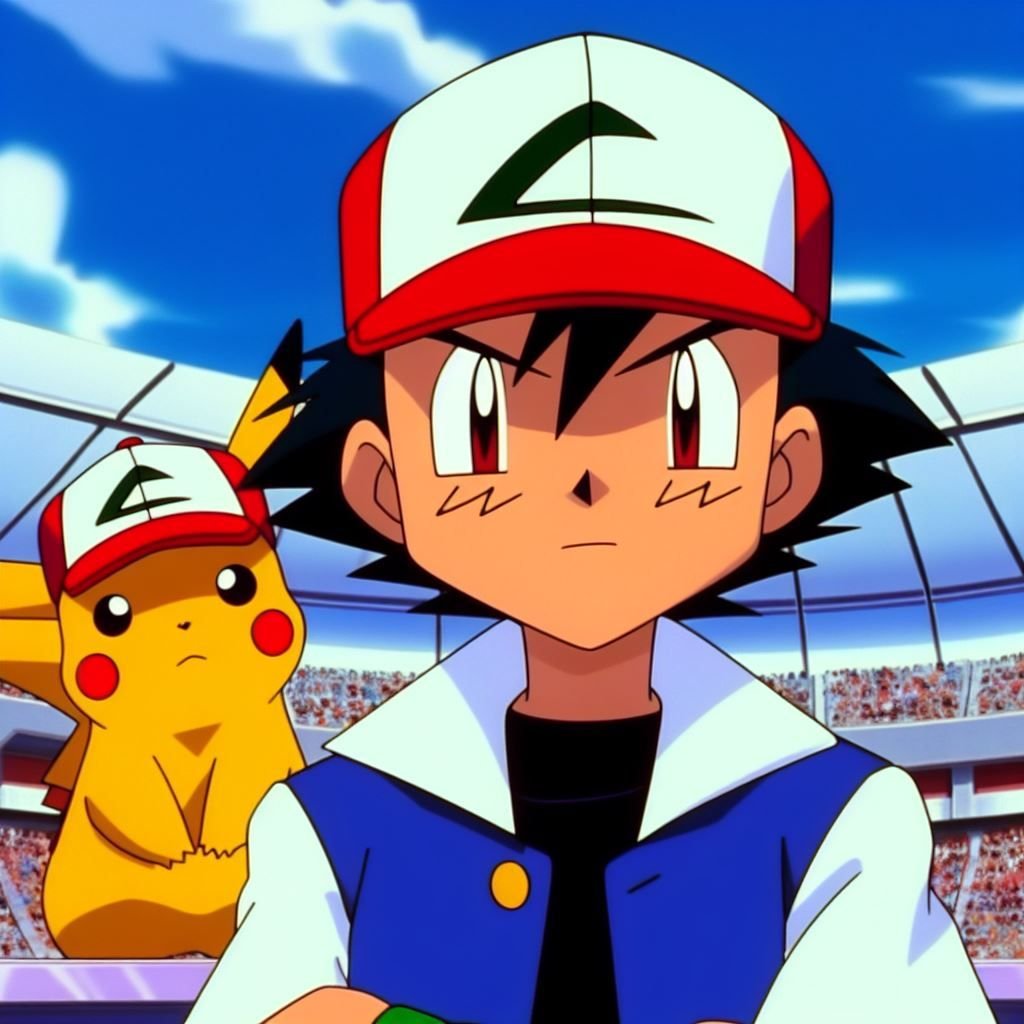
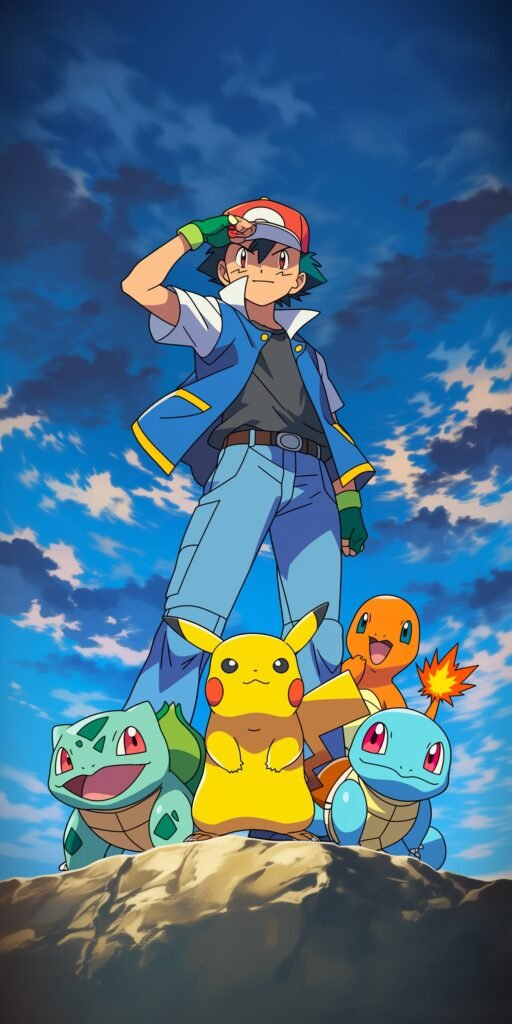
For most of the franchise’s history, Ash Ketchum was the anime’s default face starting with the original 1997 series and continuing across every subsequent saga for over 25 years, always paired with his starting partner Pikachu rather than a typical evolved starter. In December 2023, The Pokémon Company announced Ash and Pikachu’s run as protagonists was ending, closing out that era with the Pokémon Horizons finale arc.
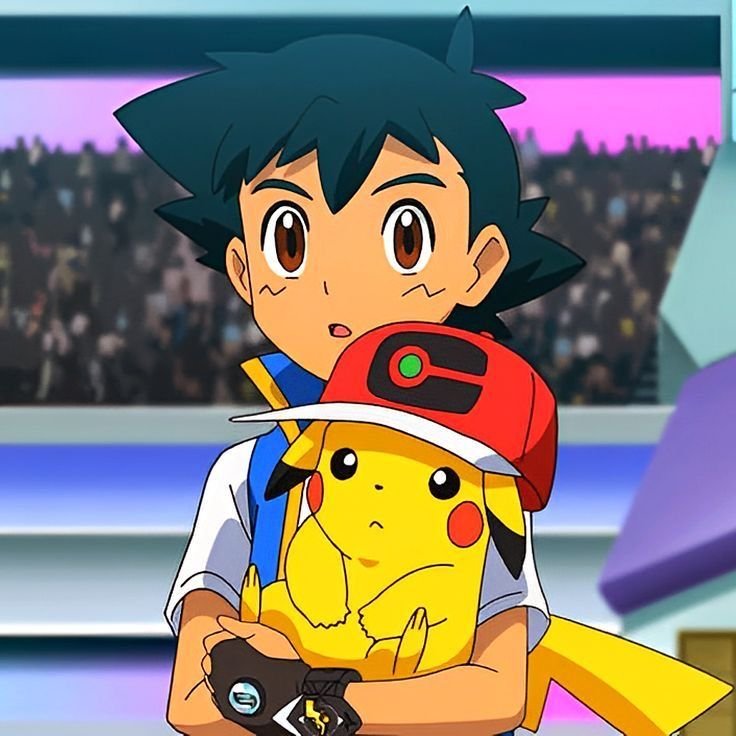
Nostalgia-driven PFPs from this era lean on instantly recognizable staging: the cap, the Pikachu-on-shoulder pose, and warm, sunlit color grading that matches the original series’ visual tone rather than the cooler, more cinematic look of recent seasons. These images carry weight specifically because the era they’re drawn from is now closed, not ongoing.

This category suits longtime fans building a profile around franchise history rather than current content Discord servers and forums built around older games or the original anime specifically respond to this material in a way a current-season screenshot wouldn’t land the same way.
Liko & Roy Pokemon PFP
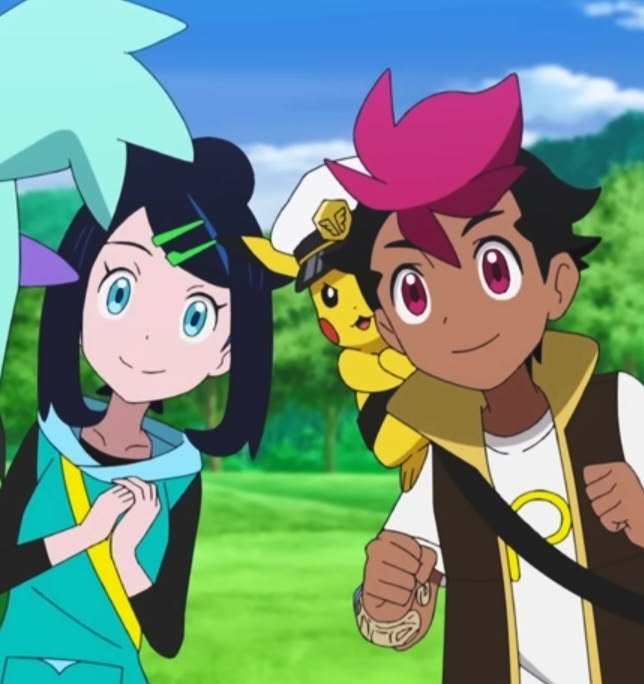
This is the freshest anime material available, and it’s largely missing from existing Pokemon PFP roundups simply because of timing. Liko and Roy took over as the anime’s protagonists in Pokémon Horizons: The Series, joined by Professor Friede and his own partner, Captain Pikachu a deliberate way to keep the mascot on screen without repeating the Ash dynamic. As of May 2026, the series is airing its “Wonder Voyage Arc,” which draws visual and story inspiration from the recent hit spinoff Pokémon Pokopia.
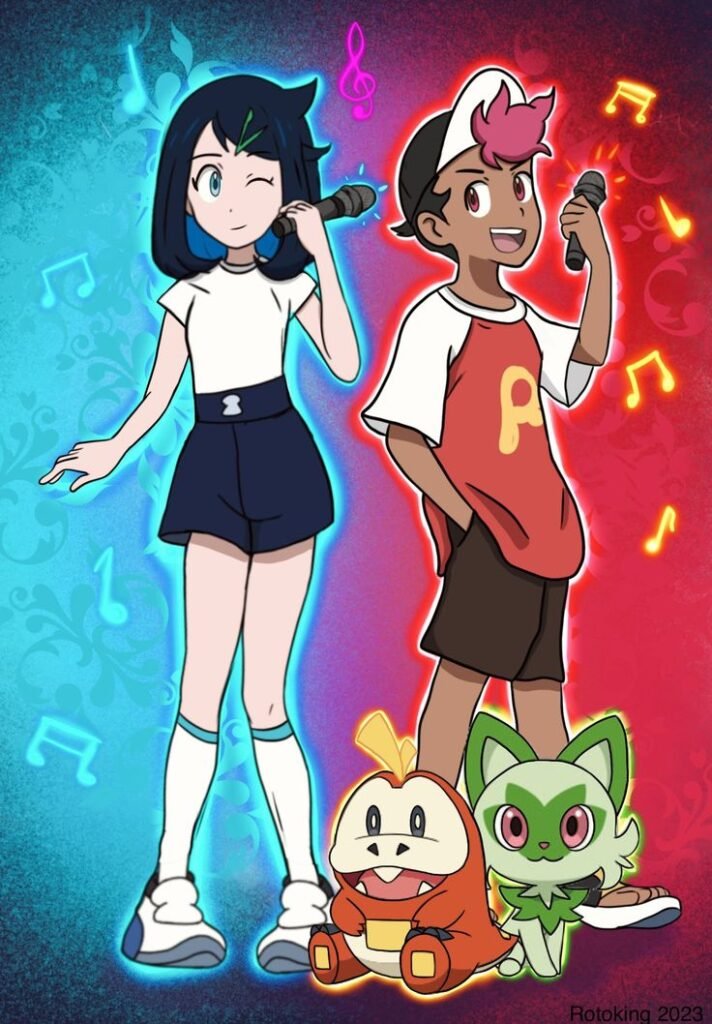
Because this cast is still new relative to Ash’s decades-long run, avatars built from this material read as current fandom engagement rather than nostalgia Liko’s pendant and Sprigatito partner, or Roy’s ambitions toward Legendary Pokémon battles, are specific enough details to signal you’re following the show now, not just referencing the franchise in general.
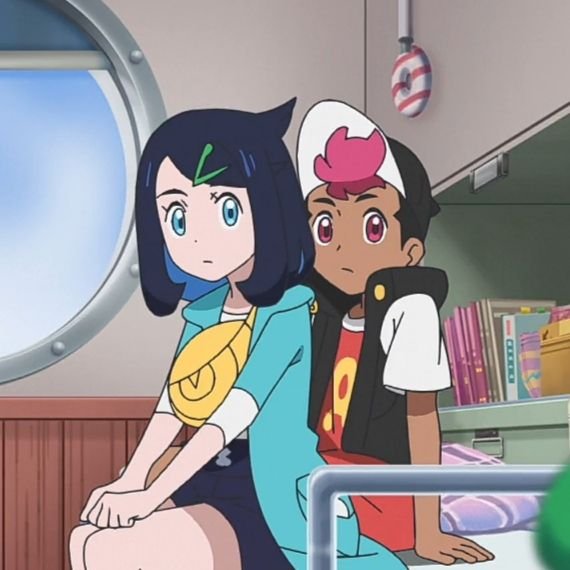
For anyone building a Discord or fan-community profile around active discussion rather than archived history, this is the more conversation-relevant pick of the two anime-era categories on this list.
Pokemon Aesthetic PFP
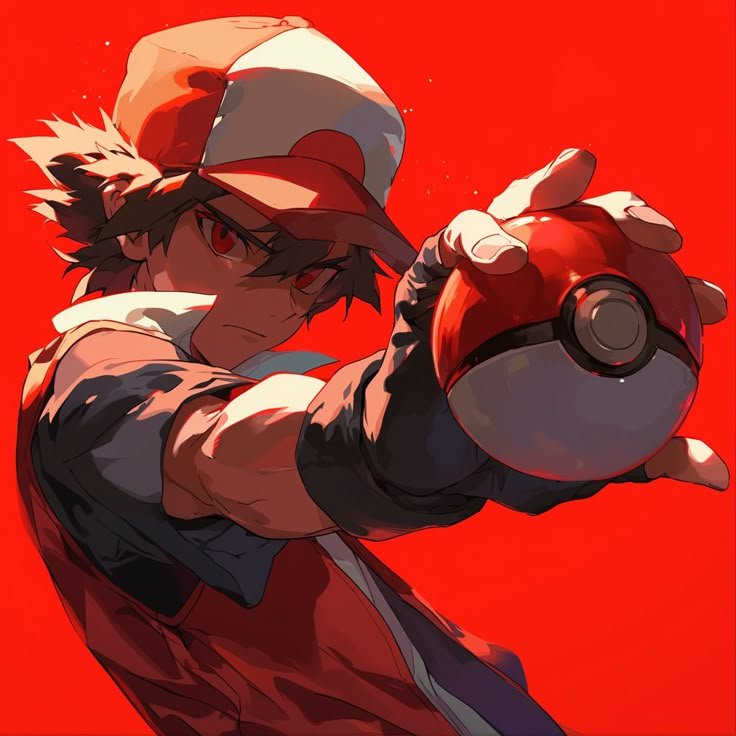
Aesthetic Pokemon PFPs work by pulling the franchise’s usually bright, saturated palette down into something quieter muted pastels, soft gradient skies, or desaturated versions of a Pokémon’s natural colors rather than the punchy tones games and the anime default to.
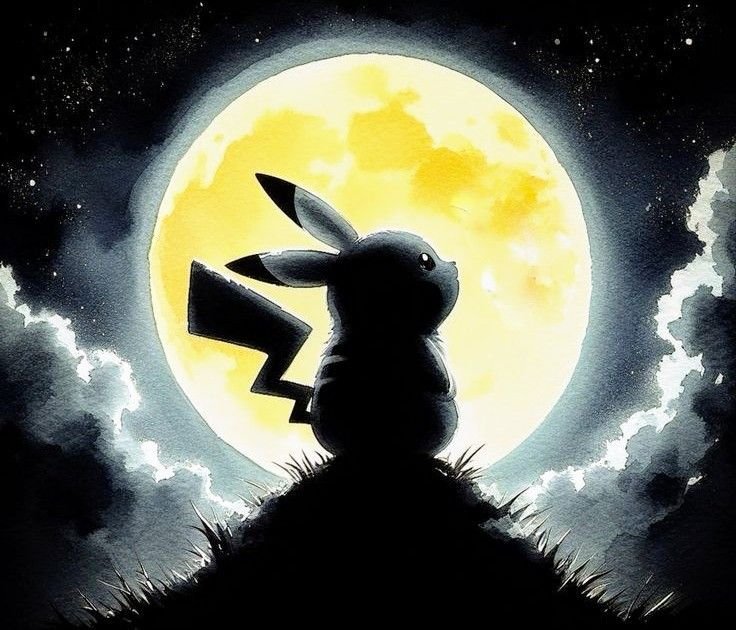
Background choice matters more here than character choice. A Pokémon silhouetted against a watercolor-style sky or a single soft light source reads as intentional and curated, while the same character against a busy in-game battle background reads as a screenshot rather than a designed image the difference between the two is almost entirely about restraint.
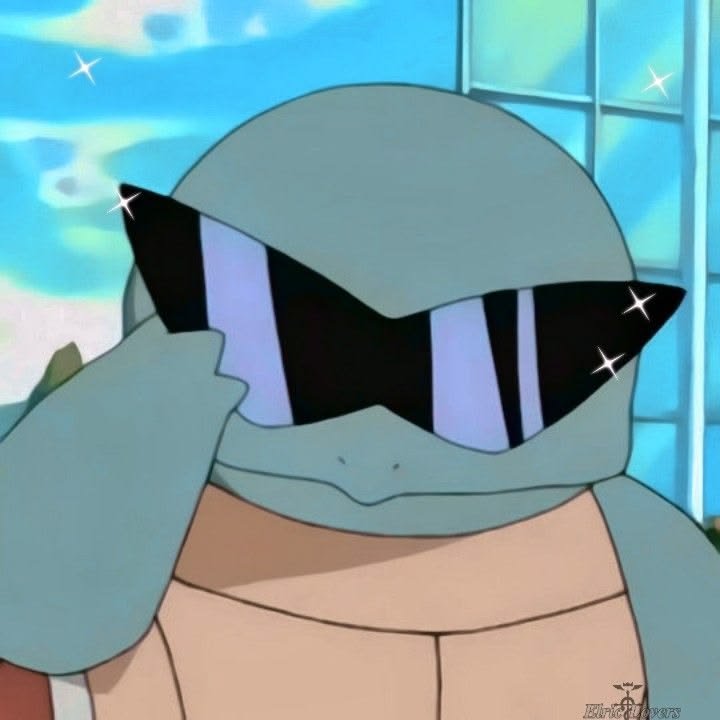
This style suits profiles built around visual cohesion across a feed or server presence rather than instant character recognition, which is why it tends to pair with softer-designed Pokémon (Eeveelutions, Fairy-types, early-generation starters) more naturally than with harder-edged legendaries or battle-ready forms.
Pokemon Cool PFP
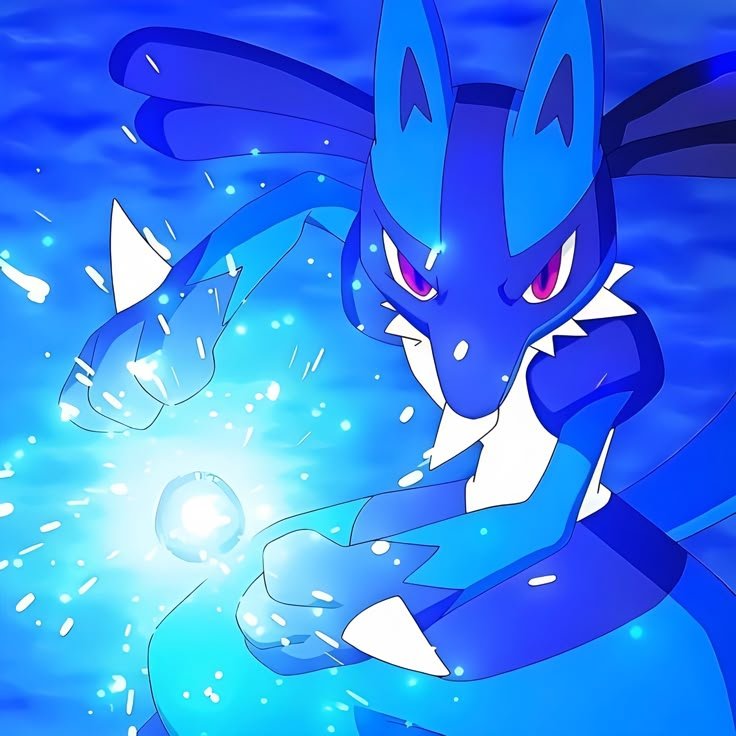
“Cool” Pokemon PFPs lean on scale and power rather than palette Dragon-types, Legendary Pokémon, and battle-ready poses that emphasize size or elemental force, like a mid-attack flame burst or a wing-spread stance caught at full extension.
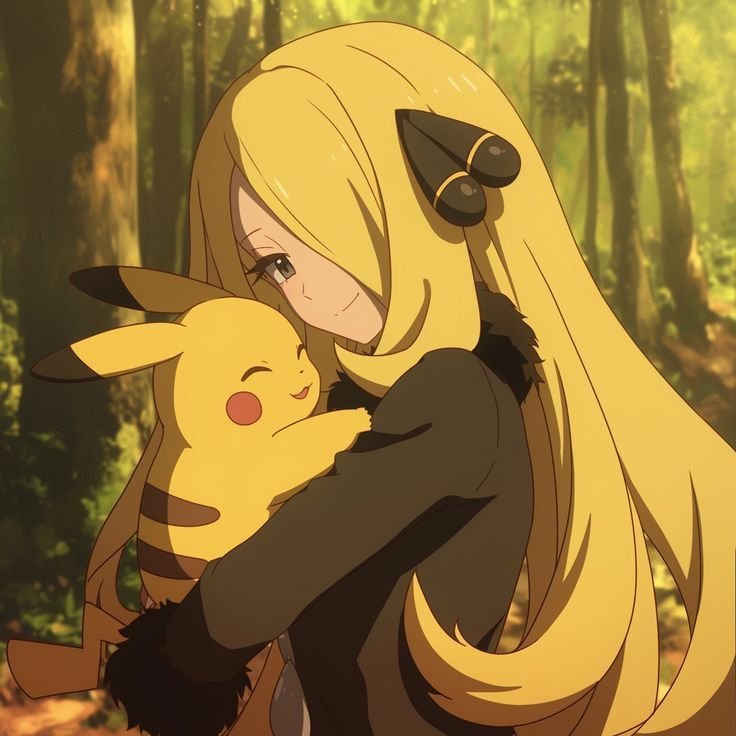
Contrast does most of the heavy lifting: a dark, dramatic background against a brightly lit Pokémon (or the reverse, a glowing creature against near-total black) reads as intense even in a small, cropped avatar. This is where Mega Evolution designs specifically earn their keep, since the added spikes, color shifts, and silhouette changes were built by the games’ artists to look more imposing than the base form.
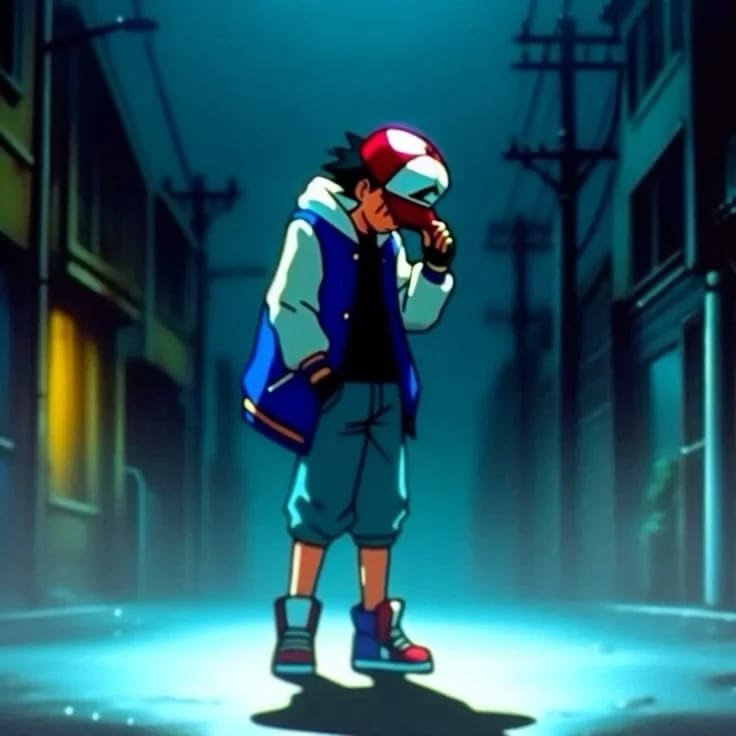
This category fits competitive-battling communities, VGC-adjacent Discord servers, and profiles built around a trainer identity rather than a mascot identity it signals “I play seriously” more than “I like this franchise.”
“Fans of nostalgic gaming icons may also enjoy our Sonic PFP collection.”
Pokemon Cute PFP
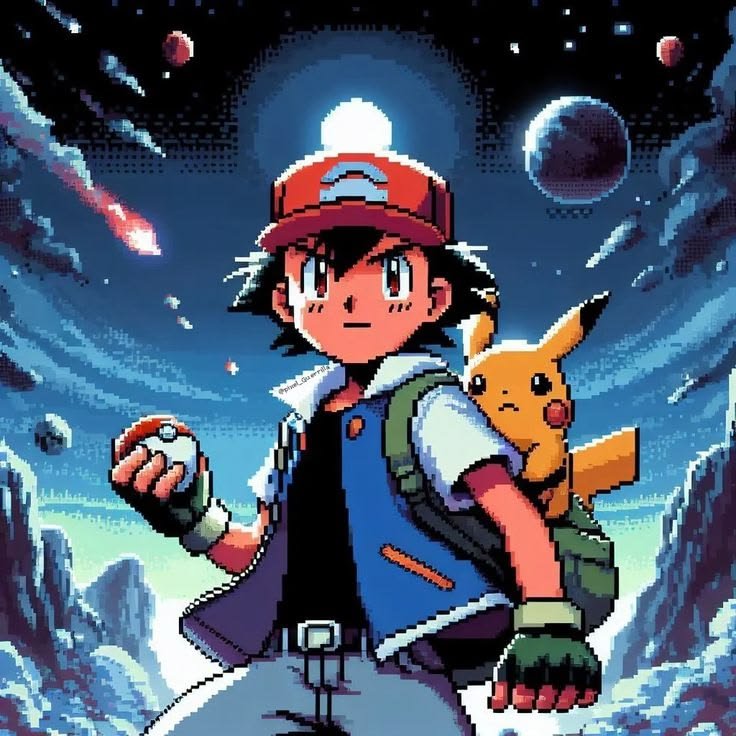
Cute Pokemon PFPs lean into the franchise’s original design philosophy more directly than any other category here, since a huge share of the roster Pichu, Cleffa, Igglybuff, most baby Pokémon forms specifically was designed from the outset to maximize round shapes, big eyes, and soft coloring rather than battle presence.
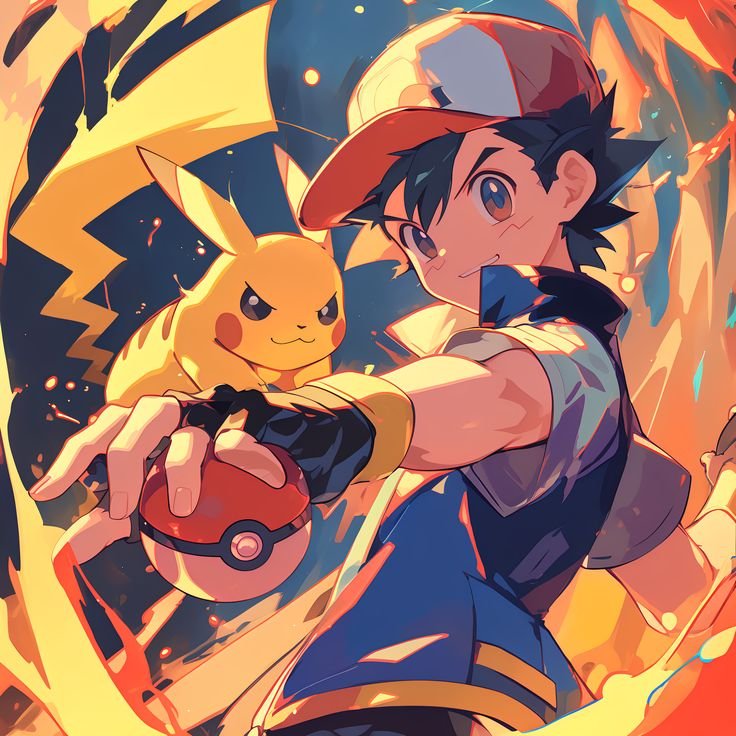
Expression carries almost the entire emotional read in this category. A blushing, wide-eyed close-up communicates warmth instantly, while the same Pokémon in a neutral in-game sprite pose reads as flat by comparison the editing work here is mostly about finding art that already leans expressive rather than adding effects on top of a static source.
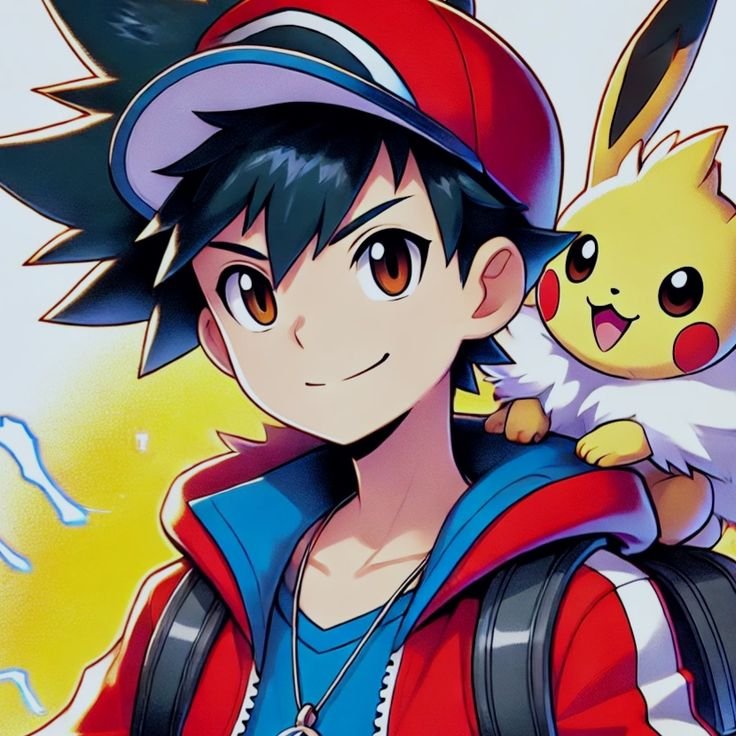
Because this style translates so directly across the franchise’s full roster, it’s one of the most flexible Pokemon PFP categories for casual profiles that want the fandom signal without needing to reference a specific game, era, or mechanic to land.
“For more playful, expressive avatars, browse our Kuromi PFP collection.”
Pokemon Discord PFP
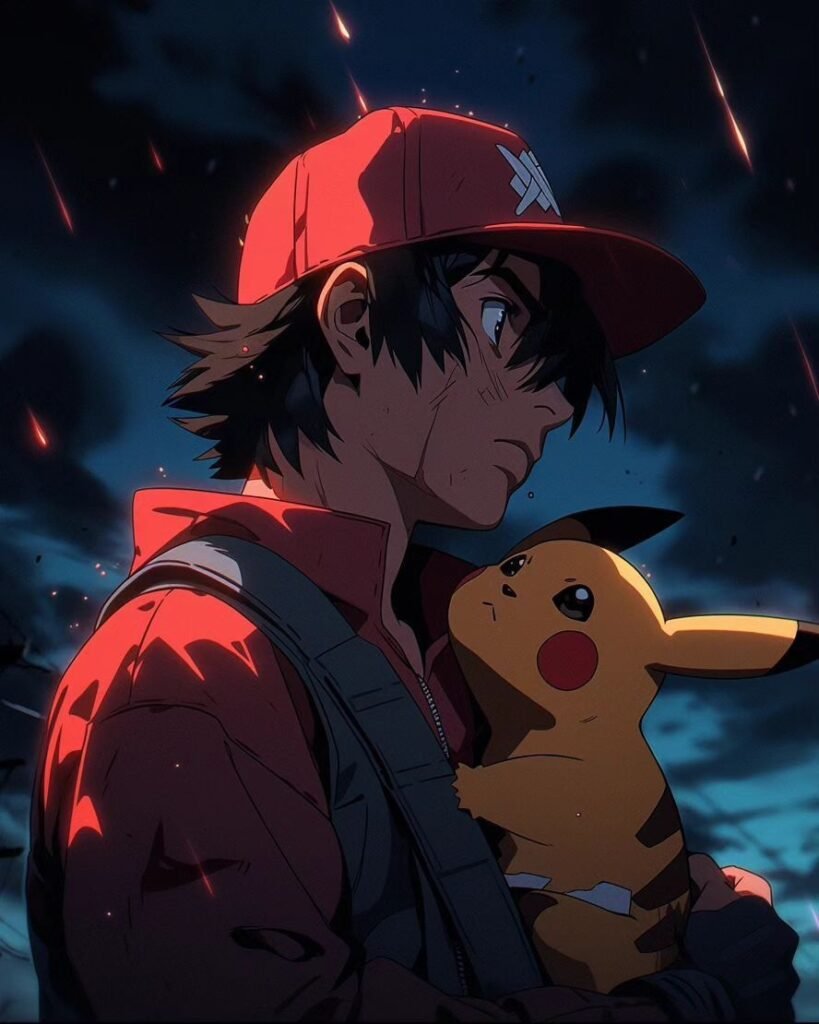
Discord renders every avatar as a small circle sitting beside a colored status dot and role-colored username, which rewards Pokémon with simple, high-contrast silhouettes over detailed full-body scenes Pikachu’s face, a shiny Charizard’s black-and-blue palette, or Eevee’s rounded ears all read clearly at that size in a way a busy battle scene doesn’t.
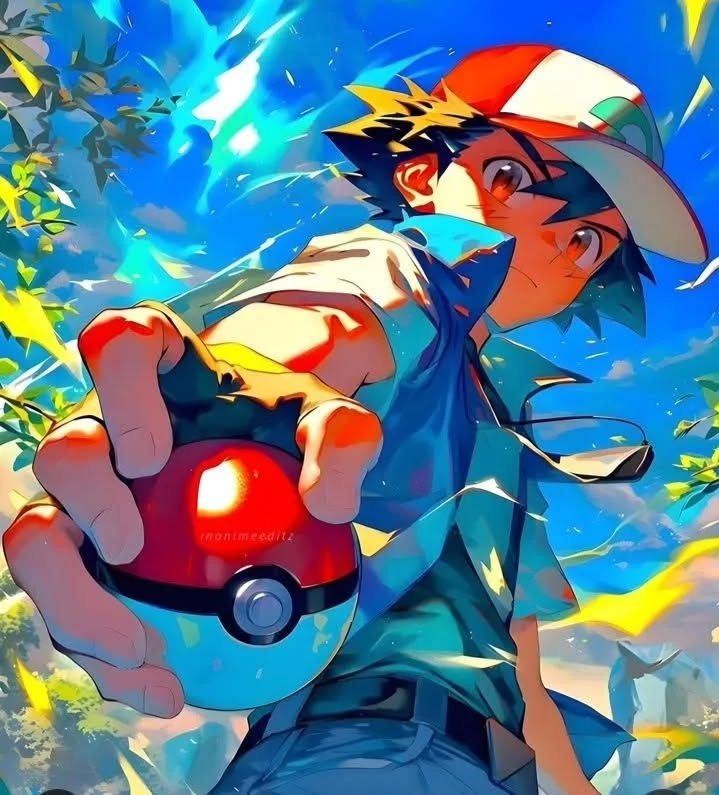
Server banner pairing adds another layer specific to Discord: a cool-toned legendary avatar paired with a matching dark banner reads as a deliberately built profile, while a cute pastel Eevee crop pairs more naturally with a lighter, warmer banner instead matching undertones across both elements is what actually signals intention rather than a random pick.
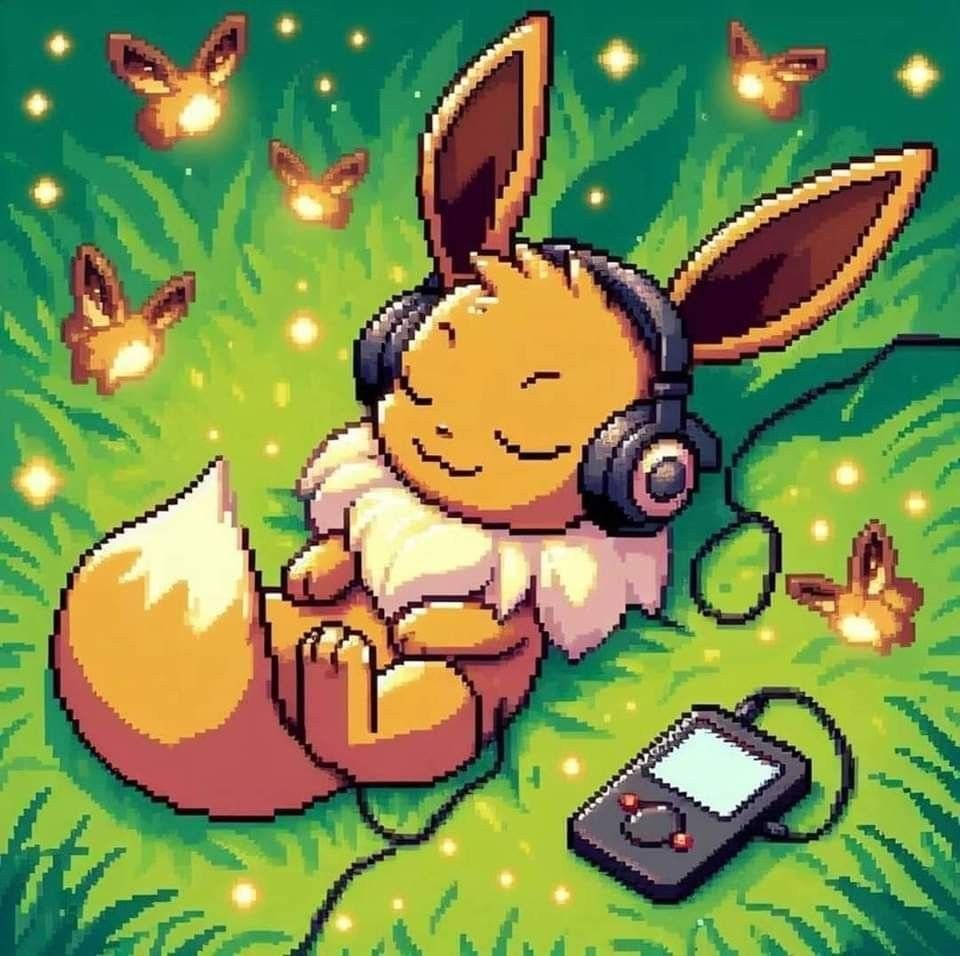
Gaming and competitive-battling Discord servers specifically respond well to Mega Evolution or shiny-variant avatars, since both double as a subtle signal of franchise knowledge that a standard-color Pokémon doesn’t carry on its own.
“Check out our Doraemon PFP collection for another beloved, friendly character.”
Pokemon TikTok PFP

TikTok displays the avatar beside a dense, fast-scrolling comment column, and unlike Discord’s static circle that same avatar reappears repeatedly across duet and stitch grids, so it needs to stay legible under constant small, repeated exposure rather than a single glance.
This is also where a large share of current Pokémon content actually circulates shiny hunting reveal clips, VGC battle highlight edits, and Legends: Z-A gameplay moments all drive avatar trends here faster than on more static platforms, since TikTok surfaces content algorithmically around whatever’s currently trending in the games rather than through saved boards.
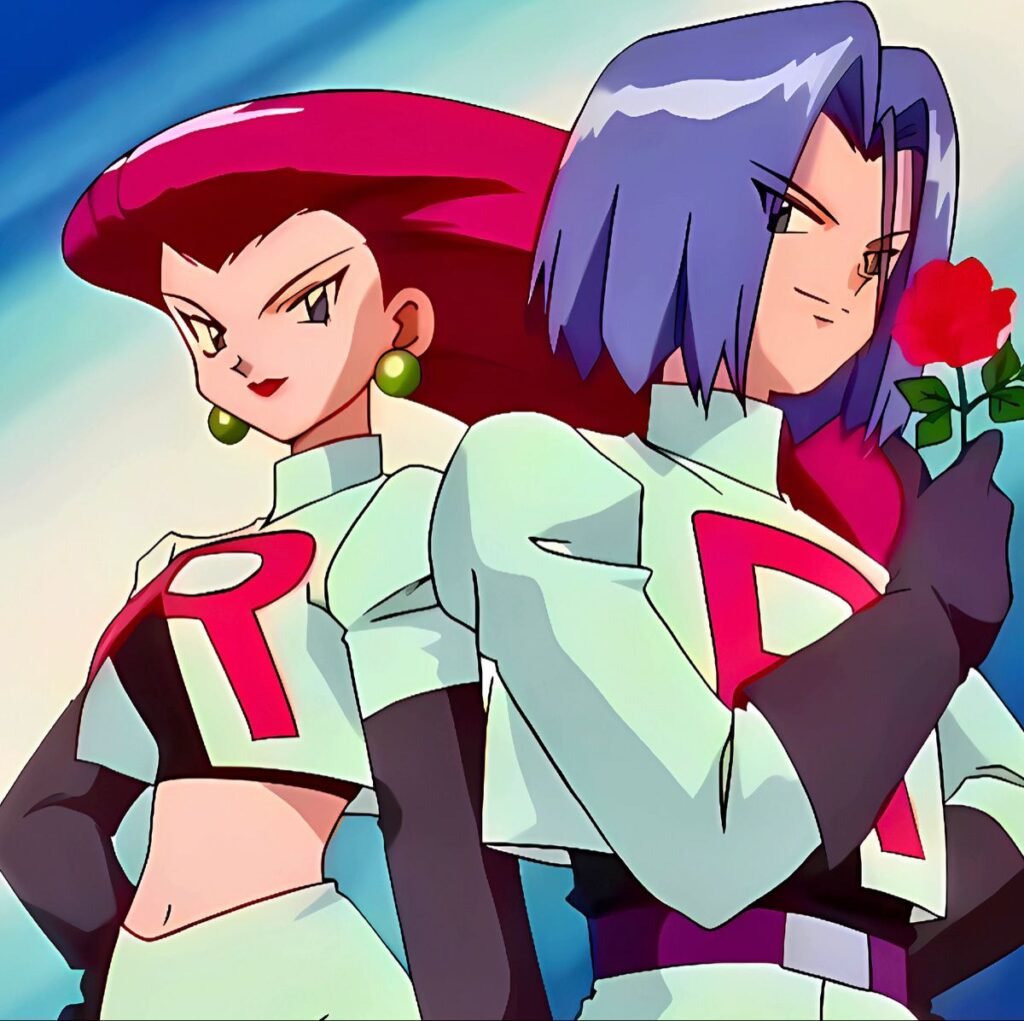
Because trend cycles move fast on this platform, an avatar tied to current game content (a recent shiny catch, a Pokopia screenshot, a Horizons anime moment) tends to land better with an actively engaged audience than an evergreen classic-era image would.
Pokemon Instagram PFP
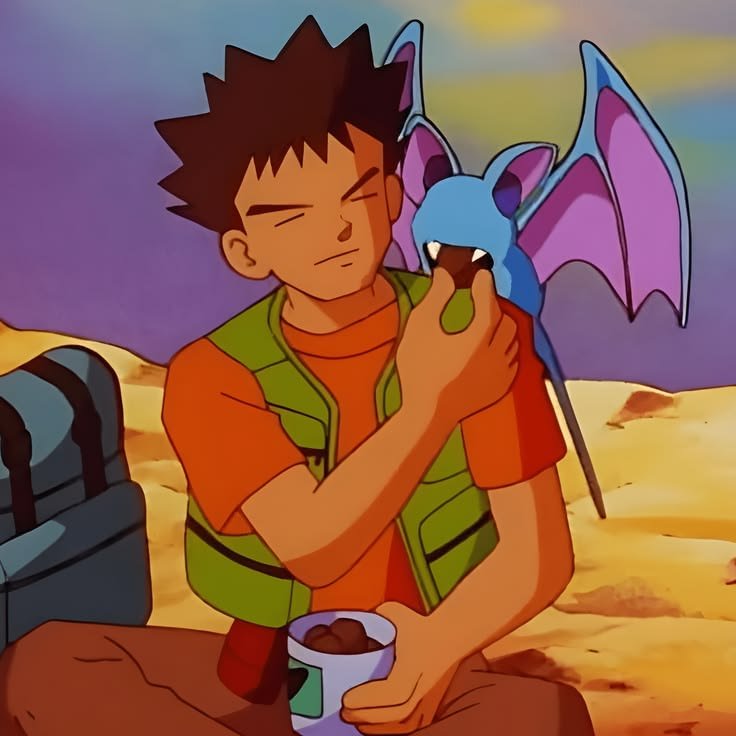
Instagram wraps every profile photo in a colored story ring whenever an active story is posted, so leaving a small margin around a Pokémon’s edges especially expressive details like Pikachu’s ears or a Charizard’s wingtips keeps the ring overlay from clipping the parts of the image that carry the most personality.

Grid coordination plays a bigger role here than on chat-first platforms. A muted, aesthetic-style Eevee crop reinforces a pastel-toned feed, while a high-saturation Charizard or legendary shot fits more naturally into a bold, high-contrast grid mismatching the two makes even a well-cropped avatar look out of place against the rest of the profile.
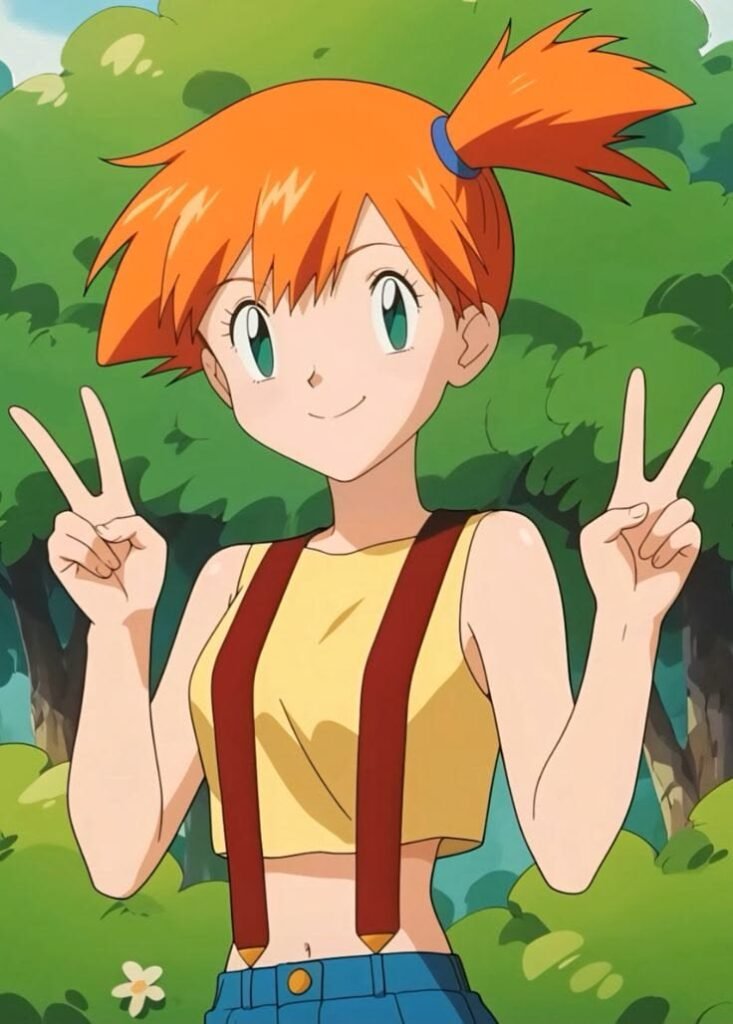
Because Instagram’s audience skews toward recognizing current, widely circulated material, the Liko and Roy anime era or a recent shiny catch currently carries a slight advantage here simply through timing, the same way any actively-airing show’s imagery tends to outperform older references.
Pokemon Pinterest PFP
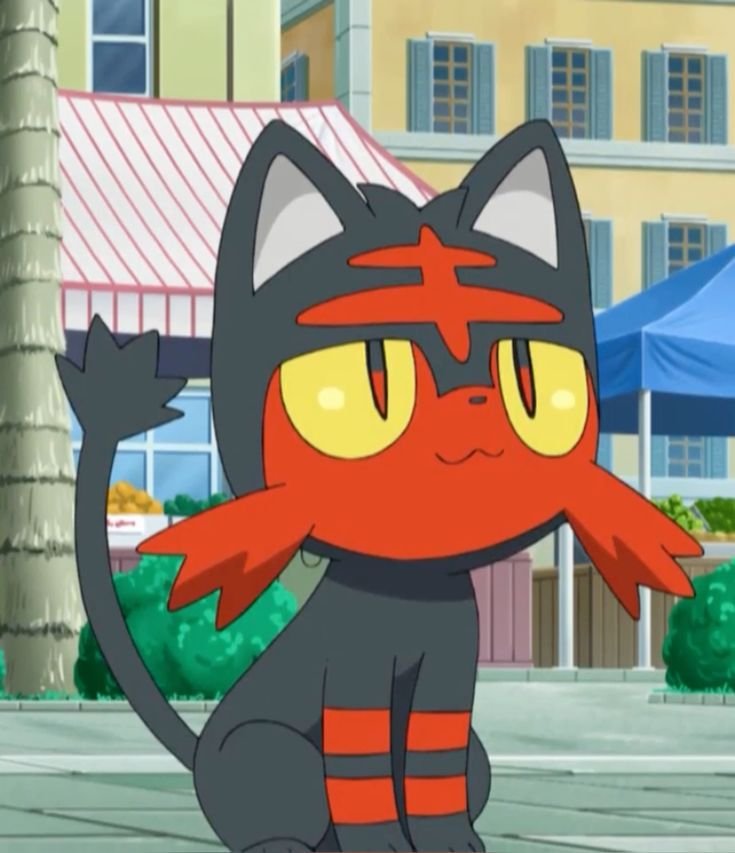
Pinterest works through board-based browsing rather than a single small avatar, so full, uncropped fan art and wide game-screenshot compositions perform better here than tightly cropped headshots people are saving these images to revisit and compare later, not glancing past them beside a username.
This is also where independent fan reinterpretations cluster most heavily, since Pinterest indexes artist uploads more thoroughly than algorithm-first apps do. Aesthetic-style edits, Eeveelution comparison boards, and shiny-variant showcases tend to collect into their own separate boards here rather than blending together the way they would in a faster-scrolling feed.
Because saved pins get revisited rather than scrolled past once, slightly more detailed, full-figure compositions a complete Charizard mid-flight rather than just a cropped face tend to hold up better on Pinterest than they would as a tight chat avatar elsewhere.
Pokemon HD/4K PFP
Resolution matters more for certain Pokémon avatars than others Mega Evolution forms and shiny variants specifically rely on fine detail (extra spikes, subtle color gradients, small palette shifts from the standard form) that flattens into an indistinct blur once an image gets compressed too far, losing exactly the detail that made the pick worth choosing in the first place.
High-resolution source images also survive platform-to-platform recropping better than low-res ones do. A single clean 4K render or official artwork file can be reframed for Discord’s small circle, Instagram’s story ring, and a Pinterest board without visible banding, while a low-res screenshot starts showing compression artifacts the moment any of those platforms resizes it.
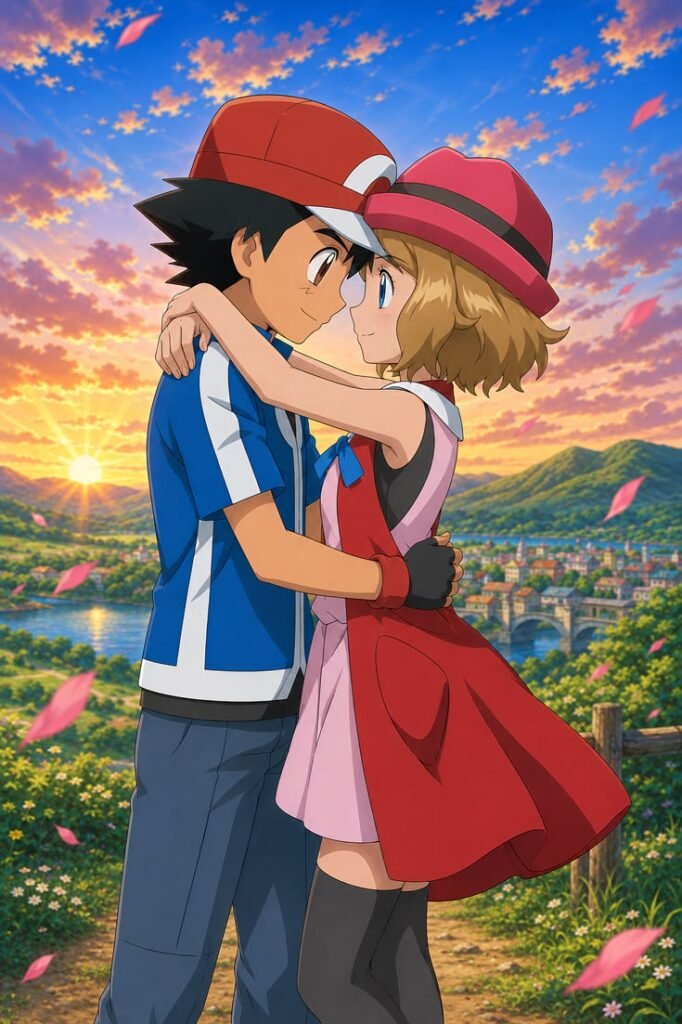
This is worth prioritizing most for anything sourced from recent games specifically Legends: Z-A and Pokopia both use more detailed 3D models than earlier generations, and that extra render detail is the whole reason to pick a current-game source over an older sprite-based one.
Pokemon Wallpaper PFP
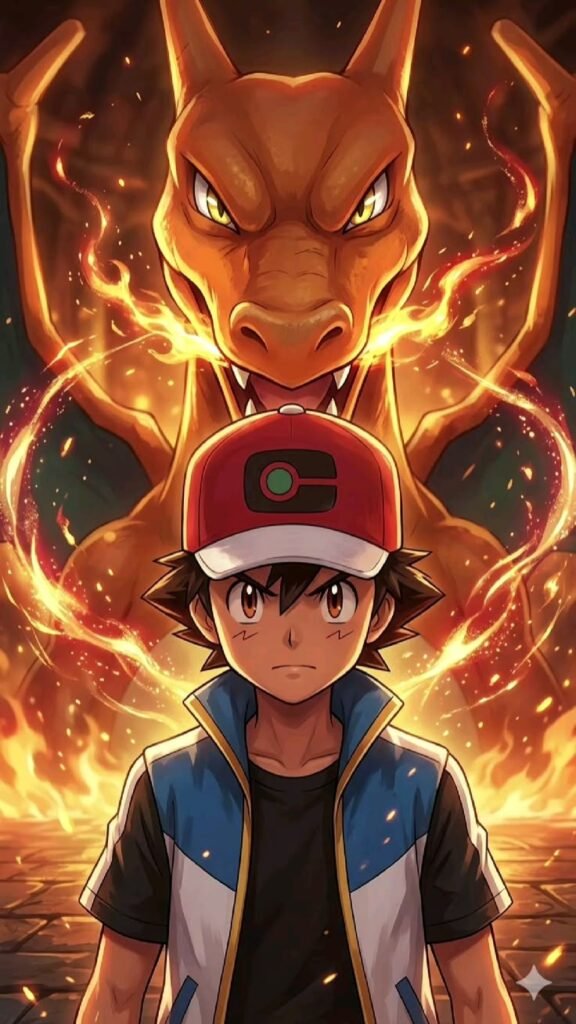
Wallpaper-style Pokemon images differ from standard PFPs mainly in framing — full battle scenes, wide game-world screenshots, or group shots of an entire team rather than a single tightly cropped character, giving the composition room to include background elements a circular avatar crop would otherwise cut away entirely.
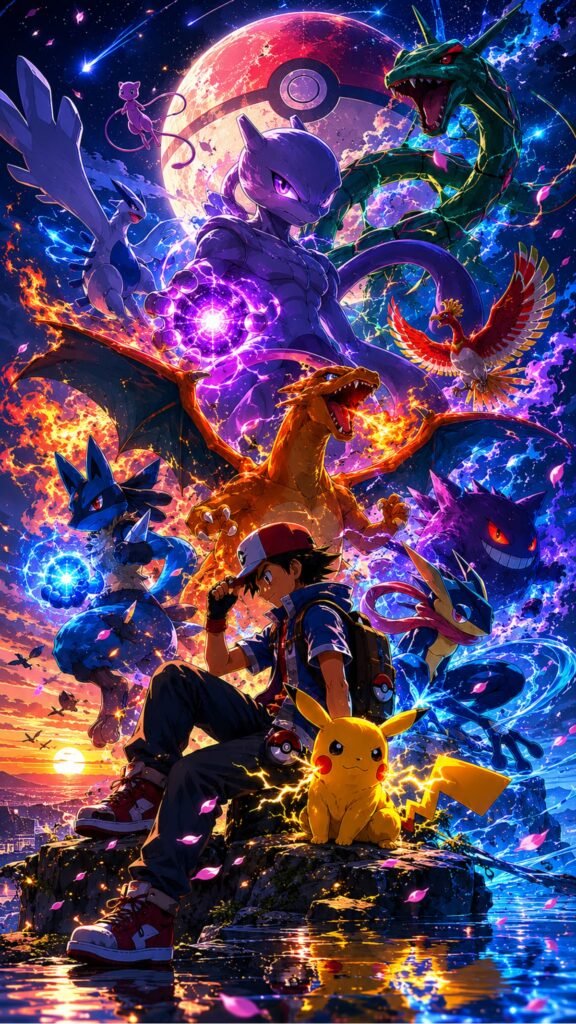
These work best as a source image to crop down from rather than a direct upload: pull a tight facial crop of the lead Pokémon for the avatar itself, then keep the full wide scene for a desktop background or phone lock screen, giving a coordinated set across a person’s whole digital footprint instead of one isolated image.
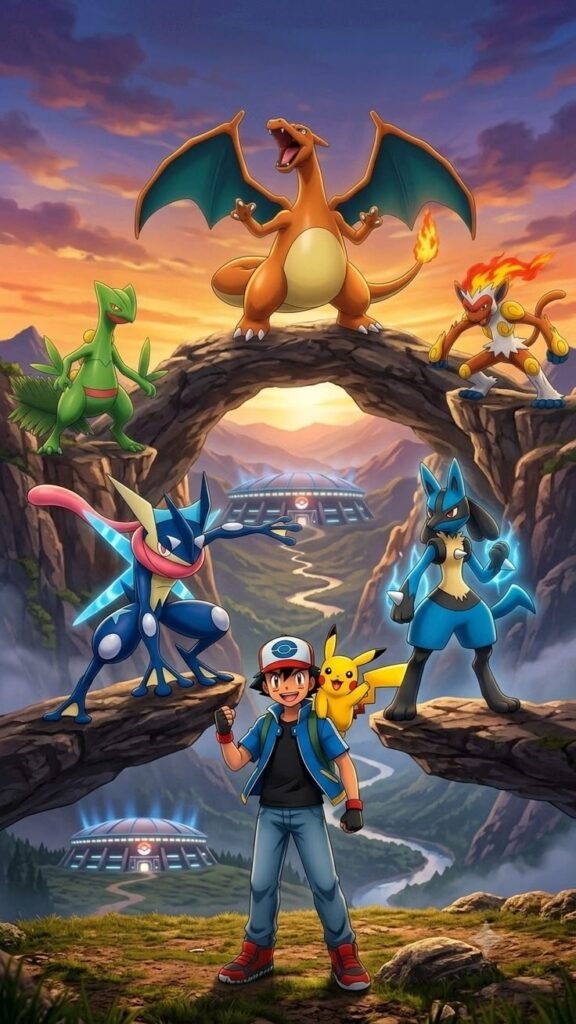
Because the franchise spans so many visually distinct game worlds Lumiose City’s redevelopment in Legends: Z-A, Pokopia’s blocky building-sim aesthetic, the classic anime’s route-and-town backdrops this category has genuinely varied source material available depending on which era or game a person actually wants represented.
How to Choose the Right Pokemon PFP
- Pick the specific Pokémon or era that matches what you actually follow, not just the franchise in general — a Liko and Roy screenshot signals current fandom engagement differently than a classic Ash-era crop.
- Favor high-contrast, simple silhouettes for Discord and TikTok, where the avatar gets compressed into a small, repeatedly-viewed circle.
- Use full, uncropped scenes for Pinterest and wallpaper use rather than the tight avatar crop you’d use elsewhere.
- Prioritize resolution for shiny variants and Mega Evolutions specifically, since both rely on fine detail that compresses away first.
- Match your background tone to your platform grid — pastel Eeveelutions suit softer feeds, while high-saturation legendaries and Charizard shots suit bolder ones.
- Consider what a shiny pick signals within the community — it reads as a deliberate flex, not just a color preference, so pick a species where the shift is genuinely obvious.
Read: Sonic PFP
Read: Kuromi PFP
Read: Sackboy PFP
Read: Dog PFP
Read: Power Ranger PFP
Frequently Asked Questions
Conclusion
Few franchises give a profile picture this much genuine range to work with a design language stable enough that Pikachu still reads clearly thirty years on, an entire rarity-based subculture built around shiny variants, and an anime cast that’s already changed hands once, from a 25-year mascot to a genuinely new pair of protagonists. That’s a lot more specificity available than “cute monster” or “cool dragon” alone would suggest.
The strongest pick usually comes down to which part of that history you actually want your profile to reference a species you’ve followed for decades, a rare catch you’re proud of, or the show as it exists right now rather than as it used to be. A Pokemon PFP works best when it says which one of those you mean, rather than trying to represent the whole franchise at once.

2 Comments